
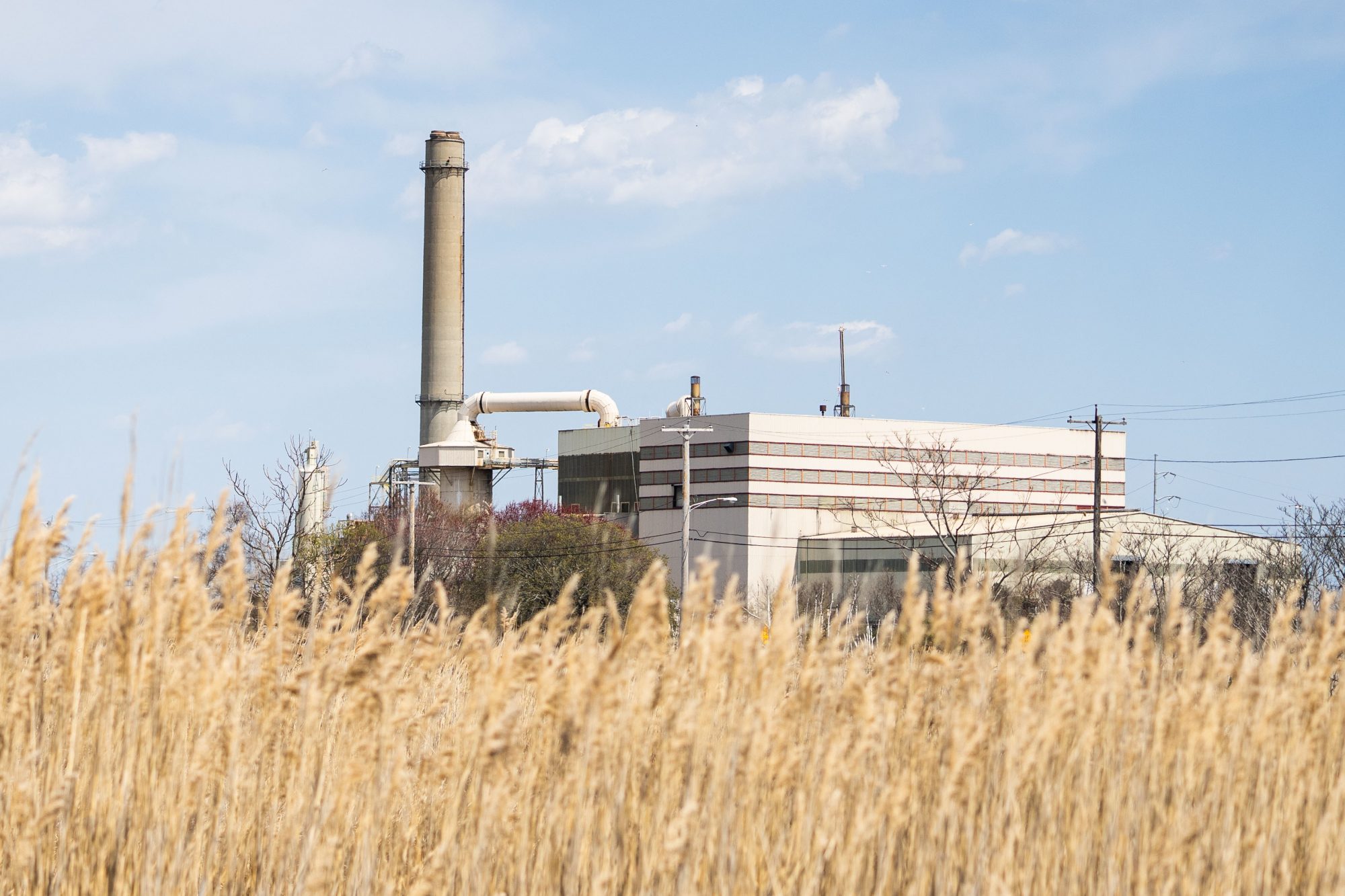
SAUGUS — At the request of Board of Selectmen Chair Anthony Cogliano, WIN Waste Innovations will not use declarations obtained by Cogliano in defending itself in a class action lawsuit filed in U.S. District Court that alleges its Salem Turnpike facility spewed noxious odors and created dust that reduced property values in the area.
Cogliano had come under fire following the recent revelation that he signed a number of declarations on behalf of residents living near the facility. At WIN’s request, he had contacted residents to ask if they experienced any negative effects due to the waste-to-energy plant. He did so by phone, signing declarations for those who claimed they had no issue with the facility.
When WIN’s attorneys learned that Cogliano had signed the documents himself, they asked him to collect the actual signatures, which he then did.
The attorneys representing the plaintiff in the suit, Brenda Sweetland and other residents living near the facility, had asked a federal judge to toss the declarations due to the method Cogliano had used to obtain them. However, the company agreed to do so at Cogliano’s behest before a judge could rule.
“We have made this decision at the request of Selectman Cogliano and because of the confusion surrounding the initial gathering of the declarations,” the company said in a statement.
“If I could have done it over, I would have had them sign the first time around,” Cogliano, himself a lifelong resident of the area of Saugus closest to the facility, wrote in a statement. “My apologies to you all.”
The company acknowledged that “mistakes were made” in obtaining the signatures, but contended that the signed declarations should have been admissible regardless of the initial error in obtaining them, which it argued was rectified.
“The record is replete with sworn testimony confirming the accuracy of the statements contained in the Signed Declarations,” the company’s attorneys wrote in a court filing.
The motion filed by Sweetland’s attorneys sought both to invalidate the declarations and for the plaintiff to be awarded more than $4,000 in out-of-pocket costs, used in the discovery of how Cogliano obtained the signatures.
On that front, the company was unwilling to budge.
“Plaintiff’s motion—brimming with inaccuracies and mischaracterizations—is a side show that wrongly seeks to smear [the company] and its counsel right before class certification briefing begins,” a response filed in court Friday reads. “Plaintiff is not entitled to an award of costs based on her decision to waste counsel’s time and resources (not to mention the Court’s) pursuing a moot issue.”
Cogliano has been a vocal advocate for working with the company, creating and chairing a landfill committee that crafted a Host Community Agreement (HCA) with WIN that he says would bring the town upwards of $1 million annually via free tipping. The HCA is set to come before the Board of Selectmen for a second vote at its Feb. 21 meeting.
“We value our relationship with the town and look forward to continuing the productive discussions that we are confident will result in formalizing ways in which the town and the company can enjoy a mutually beneficial partnership,” the company said in a statement.