
PEABODY — The School Committee continued its review of the proposed $90.7 million budget for fiscal year 2024, a $7.4 million increase from the previous fiscal year, on Tuesday evening.
Mayor Edward A. Bettencourt Jr., who chairs the committee, was not in attendance at the meeting, but said during the initial budget discussion that FY24 was a “tough budget year,” and he had little “wiggle room” on the proposed spending.
Superintendent of Schools Josh Vadala said the proposed budget was set to be funded by a $55.3 million municipal contribution from the city and $35.3 million in Chapter 70 money from the state. An additional $2.3 million in costs will be funded through ESSER, a state grant program set to expire in September 2024.
As a result of that expiration, Vadala said the district was slowly trying to ween itself off ESSER funds, moving a number of full-time equivalents to the voted budget with a focus on paying for non-salary items through the grant program.
“We want to avoid a cliff next year when we don’t have ESSER,” Vadala told the committee, noting that ESSER spending is declining by roughly $1 million for the coming fiscal year.
In response to questions from School Committee member Jarrod Hochman, Vadala confirmed that the district planned to “zero out” the ESSER funds, adding that any funds above the budgeted amount would be used for one-time expenses like equipment purchases.
Vadala said the district was trying to lessen the burden on taxpayers fueled by growing state investment in the Student Opportunity Act, which requires increased contributions from the city. In FY25, officials are “expecting another healthy increase from Chapter 70, which will kick in another increase from the city,” he said.
Committee member Brandi Carpenter asked Vadala about the number of paraprofessionals employed by the district, and expressed concern about the use of part-time paras in the district’s integrated preschool.
“The support they get from the paras is interrupted when we have the part-time ones, especially in the little kids,” she said. “[If a] new person enters the room, it’s a huge disruption.”
Vadala agreed, but said part-time paras play an important role in older grades.
Carpenter also called for a more thorough look into how the district employs paras, and Vadala said the district would be willing to pay for an audit to see how it is allocating its funds in that particular area.
Committee member Joe Amico said he wanted to see increased investment in school safety in the budget and district-wide, and that he wants to see Peabody be “proactive” and “set the tone” on that issue.
“For me, this budget is going to be a lot on safety,” Amico said.
To that end, Vadala noted that the budget includes two additional positions added under the building-access-attendant line to bolster security at the high school.
“It’s something that’s already in this budget that we identified as a priority,” he said.
The committee also got into a larger discussion about maintenance work at schools, and particularly whether the district was budgeting money specifically for maintenance and repairs, which Vadala conceded is not included in the FY24 budget.
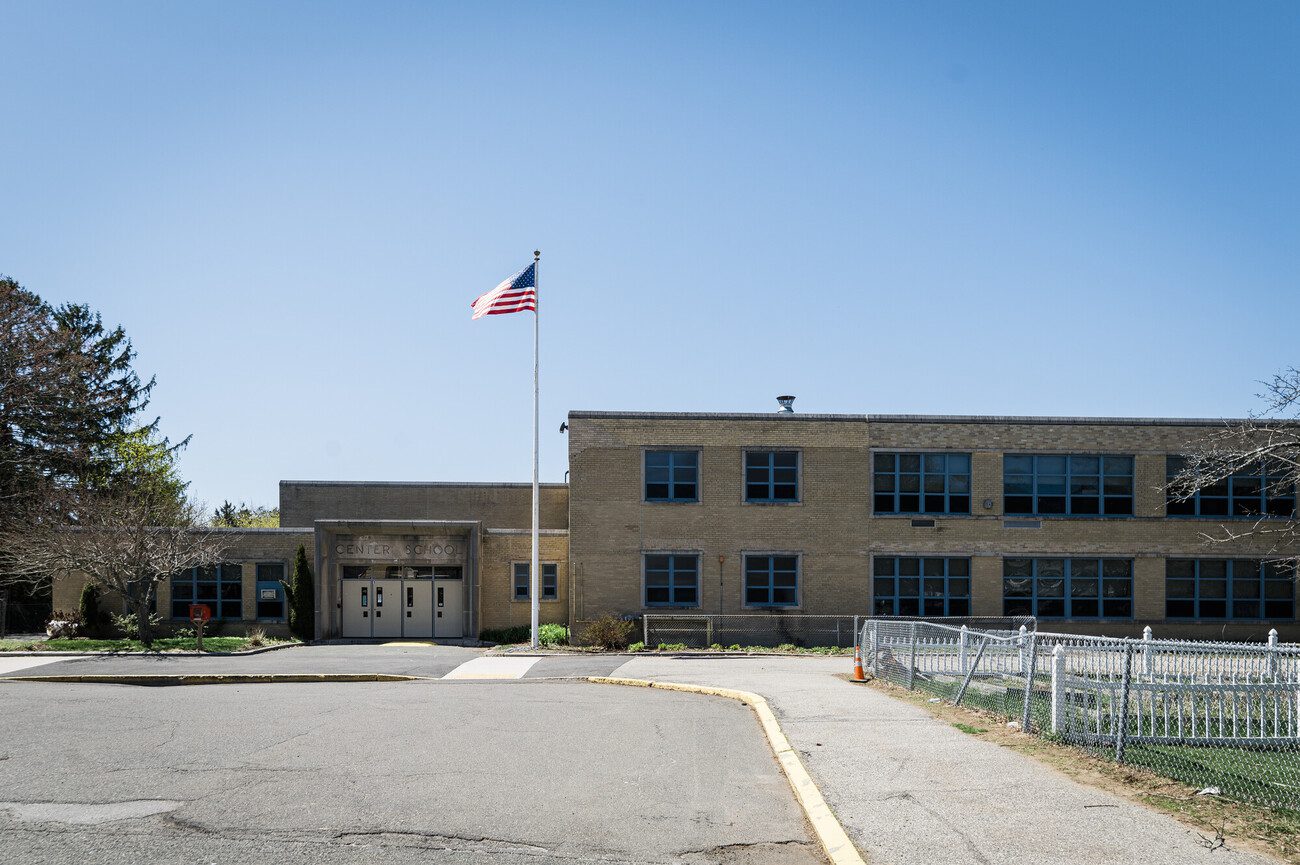
“We wait for buildings to get to the Center School level of degradation, and then we say it’s an emergency,” said Hochman.
He added that he would like to see “a substantial amount of money,” around $400,000, allocated specifically for maintenance.
“This is something the mayor needs to be part of,” he said.
Committee member Beverley Griffin Dunne, who chairs the Welch School Building Committee, concurred.
“It’s no secret that this committee has been very upset with the way maintenance has been taking place in our buildings,” she said. “There is some kind of communication gap.”
“It’s not working and we have to fix it,” she added.