
MARBLEHEAD — A new museum exhibit in Marblehead will explore the lives of Black individuals during the American Revolution, highlighting stories of enslaved and free people whose contributions to the war and local history have often been overlooked.
The project, a partnership among the Marblehead Museum, Marblehead Public Schools, and the town’s Department of Community Development and Planning, is funded by a Mass Humanities grant to expand stories from the Revolutionary War era.
Mass Humanities awarded grants to 34 projects through the Promises of the Revolution initiative, which looks into how specifically Massachusetts people from the past to present have fought for the promises of equality for all: the rights of life, liberty, and the pursuit of happiness, and the right to self-government. Marblehead received $20,000 as well as a grant for “Teaching Hidden Histories” from the Essex National Heritage area, which was for $2,500. Essex National Heritage Area also supported the exhibit with another $2000 grant.
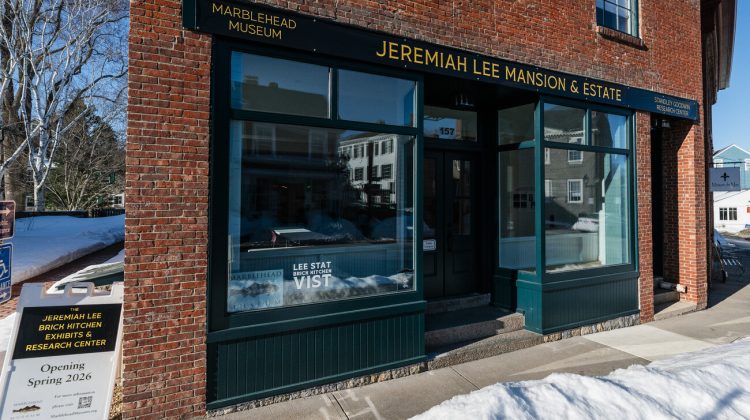
The exhibit, titled “Resistance and Resilience: Slavery and Freedom at Marblehead,” will open by June 1 at the Jeremiah Lee Estate’s historic kitchen and slave quarters building. It examines the experiences of enslaved and free Black residents in Marblehead and the contradictions of colonists fighting for liberty while continuing to enslave others.
The exhibit includes a section called “Contestations of Freedom,” which focuses on three Black soldiers from Marblehead who served during the Revolutionary War: Joseph Brown, Cato Prince, and Romeo Johonnot. Their stories highlight the different circumstances that led Black men to join the fight, whether through coercion, substitution for enslavers’ relatives, or voluntary enlistment.
Some enslaved men were promised freedom in exchange for military service, while others were required to serve in place of their enslavers’ family members. Their experiences reveal the complex realities of freedom during the Revolutionary War.
Visitors will also be asked to consider the role of Jeremiah Lee, a prominent Marblehead patriot who supported the revolutionary cause while simultaneously enslaving people whose labor helped build his wealth.
Historical documents displayed in the exhibit include a newspaper printing of the Declaration of Independence alongside advertisements for captured enslaved people, as well as petitions for freedom by Black residents.
Lauren McCormack, executive director of the Marblehead Museum, said the exhibit aims to bring forward stories that have long been underrepresented in local historical narratives.
“These are local stories,” McCormack said. “These individuals were historic figures from Marblehead, and it’s important that we share their stories with the same vigor that we have historically shared the stories of white individuals.”
The project also includes an educational initiative with Marblehead Public Schools to develop new curriculum materials focused on local Black history. Teachers from elementary, middle, and high schools will work with museum staff and historians to create lesson plans using primary sources uncovered during the museum’s research.
Donna Cotterell, the town’s grant coordinator and project director for the initiative, said the curriculum will help students connect more directly with the town’s past.
“When history is local, students can see themselves in it,” Cotterell said. “It allows them to understand that these stories happened right here in their own community.”
Nine teachers across different grade levels are participating in the program, and the materials will eventually be made available online for educators across Massachusetts.
The grant builds on earlier work at the Jeremiah Lee Estate, where the museum has been interpreting the history of slavery connected to the property. The new exhibit marks the next phase of that effort, combining historical research with public programming and education.
Officials hope the project will encourage visitors to think critically about the legacy of slavery in the North and the broader meaning of freedom during the Revolutionary era.
As visitors move through the exhibit and tour the estate, guides will ask them to reflect on the stories of resistance and resilience among both the enslaved individuals who lived on the property and those who fought in the war.
The exhibit is expected to open alongside the seasonal reopening of the Jeremiah Lee Mansion this summer.