
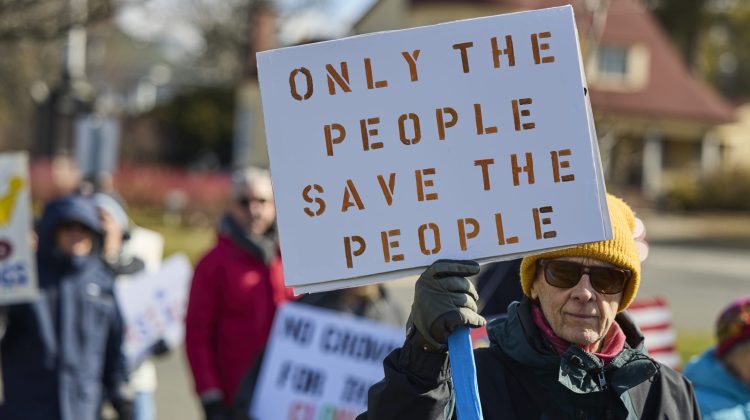
Despite the cutting wind and temperatures nearing the low 30s, thousands still turned out Saturday for No Kings rallies across the region.
Saturday’s demonstrations were part of more than 3,300 No Kings rallies held across the country as part of a coordinated national day of action. The protests are aimed at opposing President Donald Trump and what organizers describe as authoritarian-style leadership, with participants calling for the protection of free speech, rights of immigrants, a stop to the Iran war, and also mentioning their growing concern about the rising cost of living. National leaders have estimated that more than 8 million people participated across the country in the latest and largest installment of protests that have increasingly extended beyond major cities and into smaller communities.
MARBLEHEAD
The brisk chill and the ocean breeze might have kept most people indoors, but they did not affect the approximately 700 to 800 protesters bundled in coats and mittens at the intersection of Lafayette Street and Maple Street on Saturday.
For two hours, there was not a moment of quiet between the supportive honks from drivers, conversations about the current political climate between neighbors and new friends, and the occasional heckling screamed from a passing car.
People from all walks of life and ages came together with signs reading: “Dump Trump,” “We the people are one human race,” “Abolish ICE,” “No dictators,” and “Even the introverts are here.”
Standing next to a speaker she brought to curate a welcoming atmosphere for the growing crowd, Jennifer (JJ) Samp said her biggest concern is the country “rapidly devolving, if not already devolved, into a fascist state.
She added, “Protesting is only the start.”
Samp encouraged people to get connected with local grassroots organizations and offer to help.
For Tristan Smith, a Lynn School Committee member, the reason for attending was centered on unity. He said he showed up to “show solidarity in the community for my neighbors and neighbors across the country.”
Smith said, “We are not giving up the fight, and we will be on the right side of history.”
That sense of local action echoed throughout the crowd. Anne Gugino-Carrigan, chair of the Marblehead Democratic Town Committee, emphasized the importance of community-level organizing.
“It comes down to the grassroots. We are going to have to do it ourselves; we have to get boots on the ground,” she said.
Not everyone there was old enough to vote, but many still felt compelled to speak out. Thirteen-year-old Larkin Smith said she wants people “to rise up against Trump.”
“I don’t like him or what he is doing,” she added.
Nearby, Sandra Winter, Ricia Fleming, and Deboreh Morrison turned protest into performance, raising their voices in song.
Winter said, “I’m here because I have seven grandchildren, and I want a better world for them.”
Fleming said, “Peace is possible,” adding, “I am so happy to be here; it is incredible that our little Marblehead has this much peace and fairness.”
Morrison said, “I know immigrants are making our country great; we are all immigrants.”
For some, the motivation came from firsthand experience. Immigration attorney Diann Slavit Baylis said she attended because she sees daily the “devastating effects of this administration on people.”
Isabella Tinti-Kane, who was protesting with her mother, said, “This is my first time, and if I don’t stand up and do something, I’m going to regret this for probably the rest of my life.”
Tinti-Kane described a growing sense of urgency, saying recent events, both domestic and international, motivated her to take action for the first time.
“Things are really, really bad,” she said. “It’s no longer just in the U.S. It’s the U.S. causing terrible things to happen internationally.”
Renee Keaney of the Marblehead Democratic Town Committee said that there comes a point in time where “every generation has an opportunity to fight for our democracy and our Constitution.”
Keaney pointed to what she sees as systemic issues. She cited fears about government overreach, erosion of civil rights, and long-term policy impacts, particularly in areas like health care and the environment.
“It’s touched every part of society,” she said, describing what she views as widespread consequences affecting education, public health, and democratic institutions.
At the same time, not all attendees framed their motivations in the same way. Some expressed their views with a mix of seriousness and humor.
Kathleen Collins and Sarah Gold, who were standing together at the rally, said “there were just too many reasons to list” when asked why they decided to join the protest.
Gold said, in brief, “Corruption doesn’t have a spot in government. We support the Constitution. We think pedophiles should be in jail, and billionaires should be taxed.”
She added, “We don’t want our children sent to war.”
“We like the Constitution; we support the Constitution,” Gold said.
Collins added, “I can’t think of a better thing to do on a cold Saturday than stand up for our rights.”
PEABODY
Approximately 60 people met in Peabody Square to join millions across the nation in voicing their disapproval of Trump and the broader concerns about how the Constitution is not being sufficiently upheld or protected.
One of Saturday’s organizers, Tristan Brown, has been protesting since the early winter of 2025, following Trump’s re-election. He mentioned that in Peabody, “there hasn’t been a huge tradition of political activism,” but he was inspired by the younger activists, who were outspoken for the Black Lives Matter movement and rallied in the square in 2020, to loudly and proudly meet at the square on Saturday.
Brown added that it was the perfect location since the Civil War monument, dedicated to those killed in the war, was a physical reminder to “celebrate folks who had gone out and tried to defend the Constitution before.
“It was really important to make sure that, in Peabody, there was a place for people who were feeling afraid and disempowered to come and take back their power a little bit and to feel less afraid,” Brown said.
He added, “When we are able to organize… the fear doesn’t go away, but it turns into bravery. But you have to have fear before you’re brave, before you go ahead and do what you’re going to do anyway, so you transform those ugly feelings into something else.”
Steven Hachy, a Peabody Veterans Memorial High School senior who is also co-president of his class and a Boy Scout, said his involvement with the No Kings coincides with his detestation of “everything that’s going on right now with ICE, (with) ICE literally killing people and just taking people without warrants off the streets, separating families.”
Hachy said he feels empowered by protesting.
“I feel that I’m really part of something greater. I’m glad that I am genuinely, meaningfully contributing to showing that the country is not OK with this, that ‘We the People’ are not OK with this,” Hachy said.
Hachy mentioned how passionate he feels that the Constitution must be respected and adhered to — and that inside his fanny pack he wears every day, there is always a pocket Constitution.
“The Constitution literally is the definition of the United States, so anything that goes against that is automatically anti-American,” Hachy said. “I think if you love America, then you actually have a duty to uphold the Constitution.”
He emphasized that college towns and major cities, like Boston, will have No Kings and other protests no matter what, so it’s important to him that smaller towns and cities, like Peabody, are still involved.
“It’s really good to show that every town in America has at least some people who are equally horrified by what’s going on,” Hachy said.
He added that Trump saying harmful and hurtful comments, like making fun of people with special needs, “doesn’t really sit well with me at all.”
Vietnam-era Air Force veteran Herb Harris also passionately expressed his disdain for Trump, saying that he has never been angrier in his life and that he’s quite scared for the country, which is why he stood out in the square on Saturday.
“In the 1930s, no one spoke up against Hitler… People have to speak up. They have to get out there and just protest — and certainly vote,” Harris said, adding that he refers to Trump often as “pedolf,” a combination of the word pedophile and Adolf, Hitler’s first name.
When comparing Trump to Hitler, through the lens of fascism, Harris noted that having a military parade for his birthday and the White House being “gilded to excess” were red flags.
Harris added that he doesn’t approve of the Safeguard American Voter Eligibility Act, also known as the SAVE Act, and called the war with Iran the “Epstein Files War,” saying that the war is just one of many tactics used to “divert from Epstein.”
For Brown, the goal with the No Kings protests is to create solidarity and meet like-minded people face-to-face rather than through phones via social media platforms like Facebook.
“When we’re out in the square, or actually out holding signs, I’m not really thinking about the world. All of a sudden, I’m there with people who are kind, and we’re connecting, and we’re building new relationships. I’m sure for somebody driving by, it’s like, ‘Oh, look at those folks holding signs.’ But for somebody who’s in the square, it is a community being born,” he said.
Brown also recognized the Peabody Police Department for being incredibly accommodating and professional — and for “watching out for us.” Brown added that the police flew a drone to keep an eye on the protest to ensure everyone remained safe.
SAUGUS
In Saugus, though the protest was on a smaller scale compared to other communities, residents still gathered with signs ready to speak out against Trump.
A line formed at the corner of Hamilton Street and Central Street as protesters, many of them members of the Saugus Democratic Committee, waved at cars and called for “No Kings in America.”
Protester Michael Norton noted that they were exercising their freedom of speech. Others commented on the recent killings of Renée Nicole Good and Alex Pretti, stating that ICE murdered them and that people, including Trump, should be held accountable.
“Protests on days like today, it’s great to see the community really come together and rally behind immigrant neighbors and everybody who is being negatively impacted by the current administration,” Zosia VanMeter said. “This is what democracy looks like. This is what community looks like, and I’m very proud of where I live, and very proud of my neighbors.”
Though the protest remained relatively peaceful, with cars driving by and honking in support, at times some cars sped by screaming at those standing out, while one chose to roll down their window and throw bread at protesters.
Despite this, protesters continued to focus on their objective, calling for Trump’s impeachment, the release of the Epstein files, and standing against ICE.
SWAMPSCOTT
In Swampscott, the demonstration opened with a community singalong led by Patty Clark of Music in Action, a program hosted by First Church Swampscott. Participants gathered around drums and joined in before the demonstration, marching down Monument Avenue to meet the gathering crowd at 10 a.m., singing “We Shall Overcome.”
For some in the crowd, the motivation to show up was rooted in a sense that staying home was not an option.
“I think everyone should be involved and be fighting for us — for our democracy,” said Gloria Kozlowski, a Swampscott resident. “I’m hoping it makes a difference. I’m hoping people aren’t getting accustomed to us out here protesting and thinking it’s just the status quo. It’s just — it’s not.”
That local presence, many people agreed, was part of what made the demonstration meaningful.
“I think it’s pulling the community together,” said Swampscott resident Pat Robbins. “I think that it’s educating people. I think it’s telling people that they’re not alone.”
Across the crowd, that sense of connection showed up — people stopping to talk with strangers and friends, complimenting clever signs, or shifting closer together when the wind picked up. There was music coming intermittently through a Bluetooth speaker at the base of the monument, but the singing from the crowd rarely stopped.
Some said that showing up in a place like Swampscott carried weight beyond the immediate crowd.
“I think this is a nationwide issue,” said Ellen Koplow, who grew up in Swampscott and has participated in multiple protests in recent months. “And every place, whether it’s big or small, will support it.”
Koplow said she continues to return in part to represent those who might not feel comfortable attending themselves.
“My voice is important, and I get to represent people who are too afraid,” she said.
That idea of showing up to present a unified voice and to speak for others who might not feel safe doing so came up repeatedly throughout the morning. Attendees pointed to a range of reasons people might hesitate to attend, including concerns about job security, or potential exposure to federal immigration authorities. Some protestors said those fears have grown as the Trump administration has expanded the visible presence of Immigration and Customs Enforcement agents in public spaces.
Michael Paquette, the organizer of Saturday’s protest, said that local demonstrations can make participation more accessible.
“It’s nice to have an option locally that people can come out to,” he said. “And all these local protests add up.”
Paquette said that about 270 people had signed up in advance to attend the event, and he was very pleased with the turnout; he estimated about 700 were in attendance, even with the weather at a brisk 32 degrees. Weather has rarely stopped Paquette, who leads a core group of demonstrators every Thursday at the Civil War Monument from 4-6 p.m. That group cancelled only twice this year, in the aftermath of two big snowstorms.
“It creates energy. It creates momentum. Things have been changing,” Paquette said. “And that’s extremely important in these times… People find it helpful to come out to be with like-minded people. I call it therapy.”
That sense of connection was what drew many others into the crowd, like Jan Lindholm and Christine Draper, who came from Beverly to join in on the singing at First Church. Lindholm said she was very grateful for the church’s support.
“Singing is life giving. It’s a way that I can spread hope, love, and joy,” said Lindholm, a lyricist and professor who co-wrote the march song “We The People.”
For Lindholm, Saturday’s demonstration was not one of anger.
“I think these gatherings are hopeful and joyful in the best of ways,” she said. “People of all faiths are standing up today… People are gathering together… loving, healing, and standing together.”
The crowd spread across the monument, with hundreds of people gathering along the sidewalk by King’s Beach. There, Doreen Hodgkin stood with her sign and some friends. Hodgkin said her decision to attend was rooted in both history and a sense of responsibility to the future.
“I think back in history, and I have often wondered why people didn’t stand up,” she said, citing those who stayed silent during the Holocaust. “I want to be able to say: I did stand up.”
Farther along Humphrey Street, Robbins said the message was rooted in a deep passion for her country.
“I’m here because I’m very concerned about the direction our country is going in,” Robbins said. “Democracy is freedom of speech… We love our country. We love our democracy.”
Robbins has been involved in protests since the Vietnam War. For her, public demonstrations are a way to be seen and counted.
“All of us are here telling the president we do not like what he’s doing,” she said. “We want our democracy back.”
For Robbins and many others, the impact of showing up extends beyond a single event.
“I think people feel like they’re kind of hopeless, that they don’t have an impact,” Robbins said. “And I think everybody who comes to this, you see a community. You see a group of people who are here and support you.”
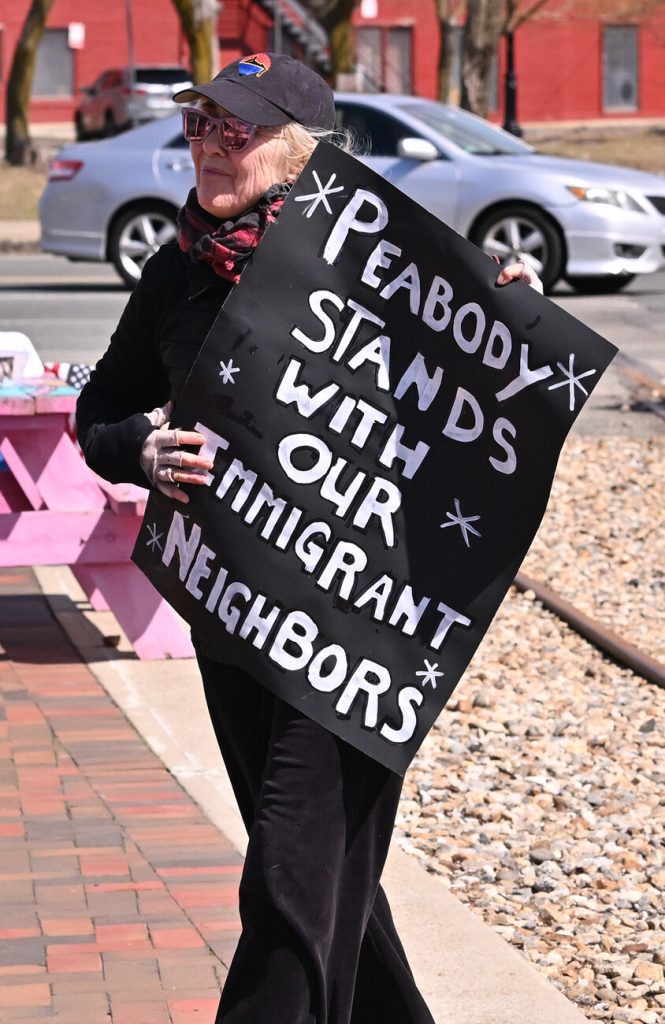
Photo: Joe Brown | Purchase this photo
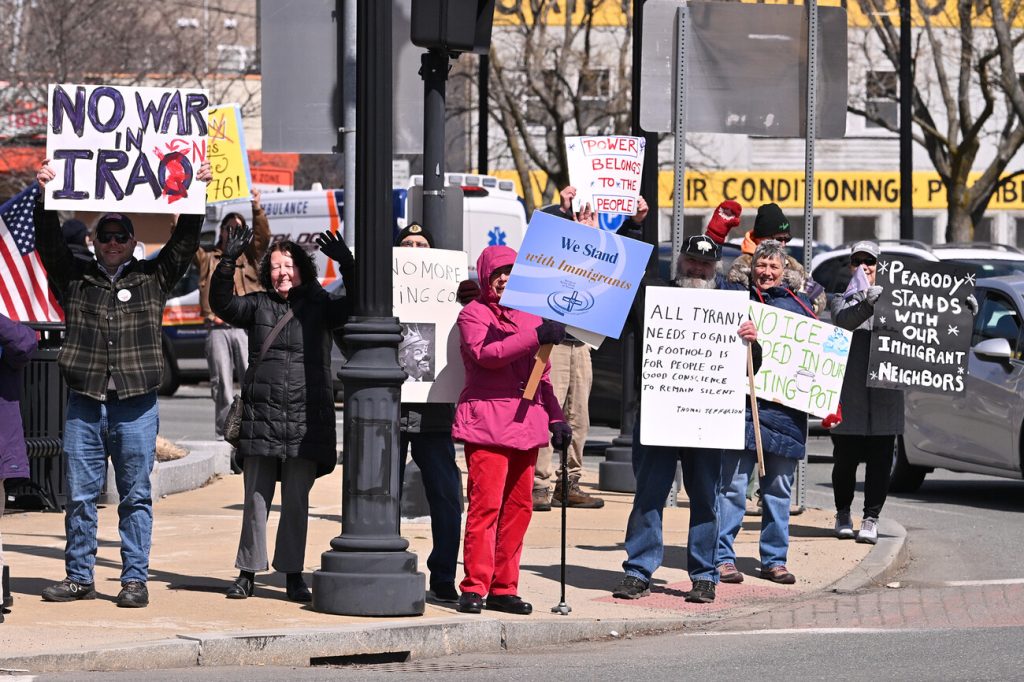
Photo: Joe Brown | Purchase this photo
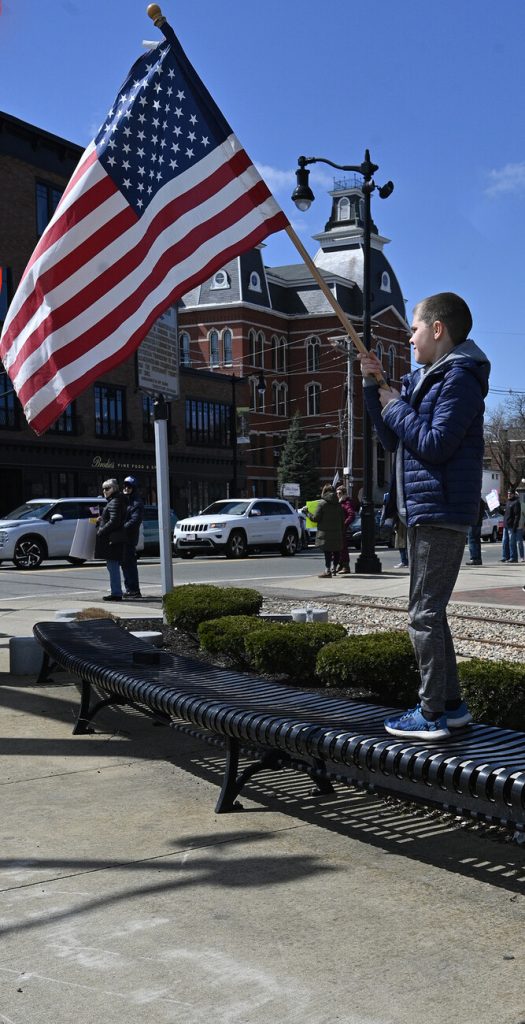
Photo: Joe Brown | Purchase this photo
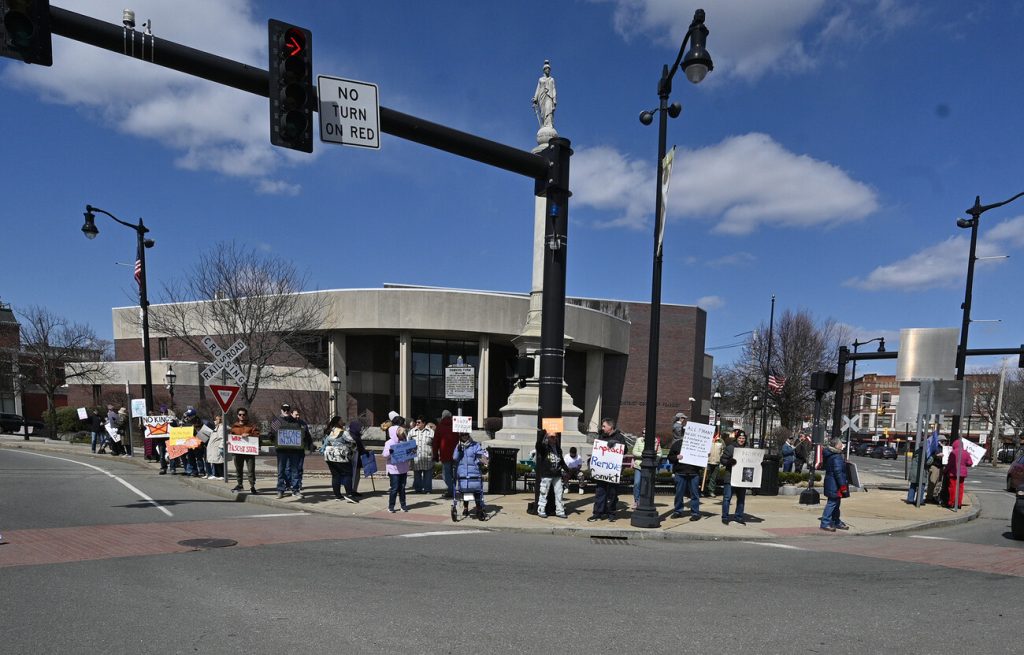
Photo: Joe Brown | Purchase this photo
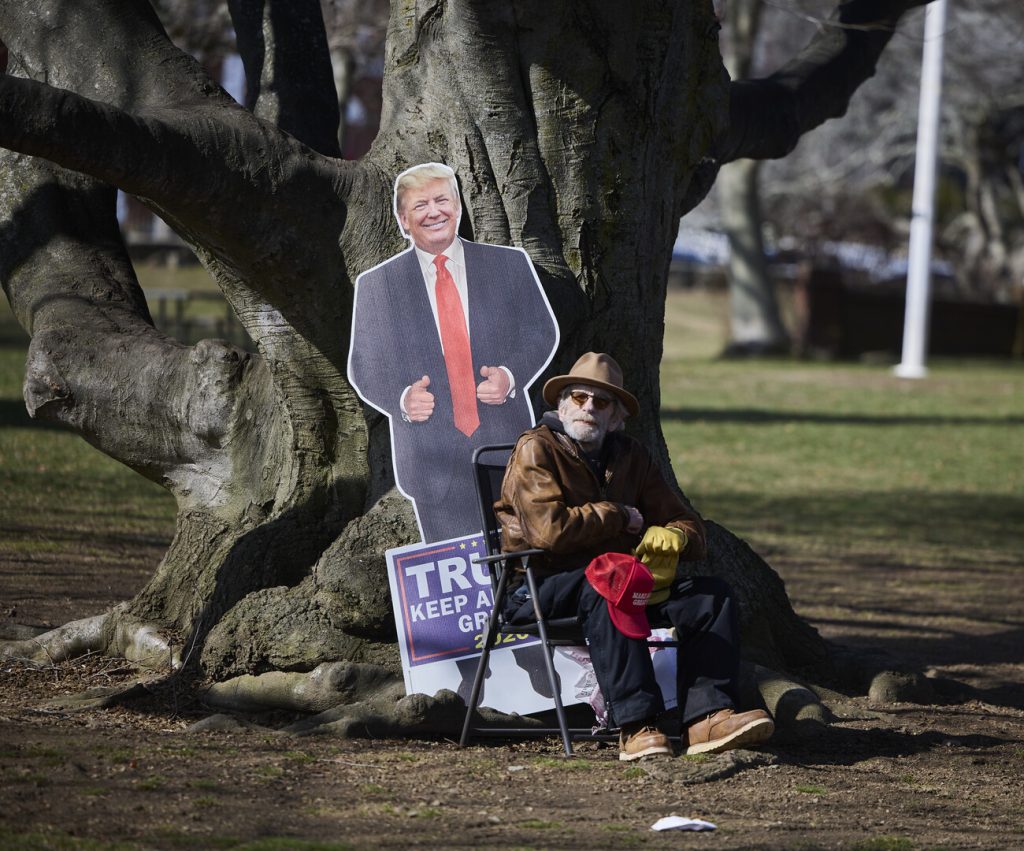
Photo: Jared Charney | Purchase this photo
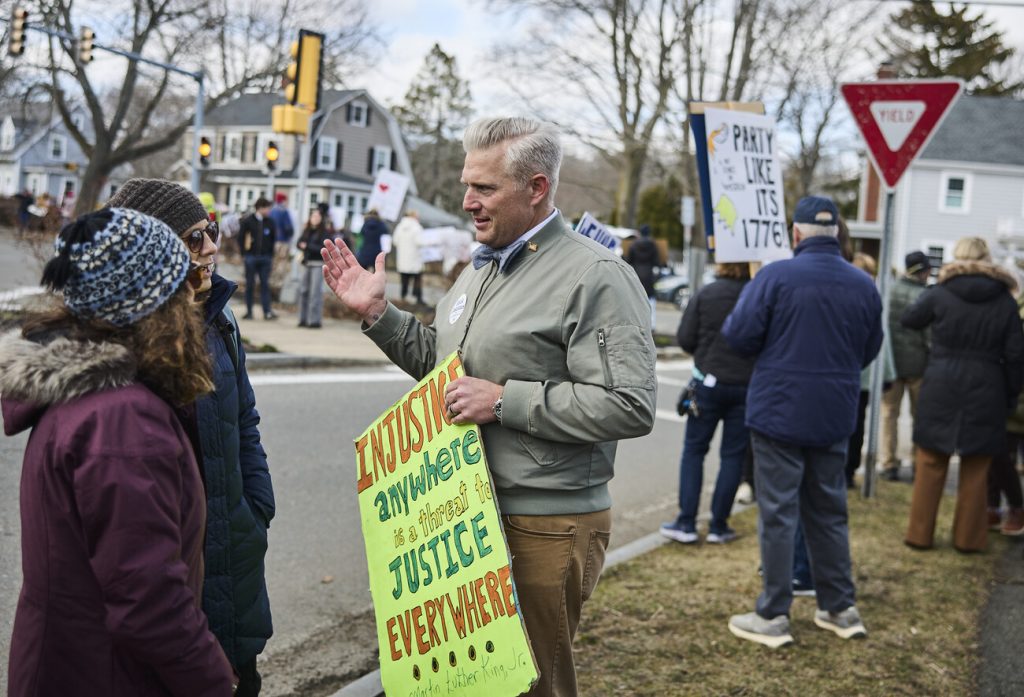
Photo: Jared Charney | Purchase this photo
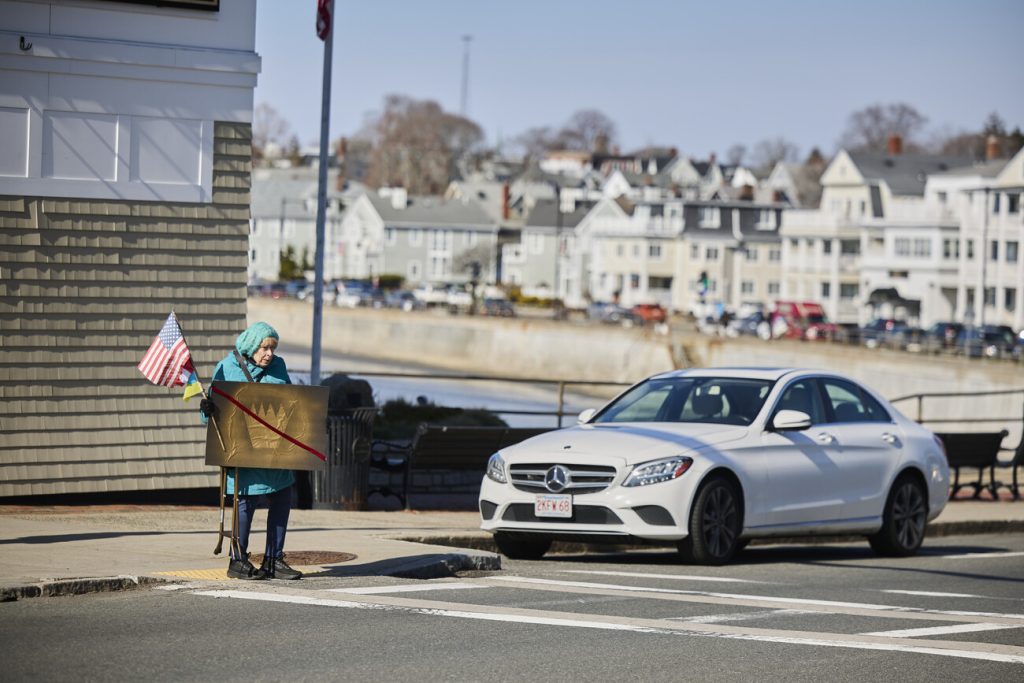
Photo: Jared Charney | Purchase this photo
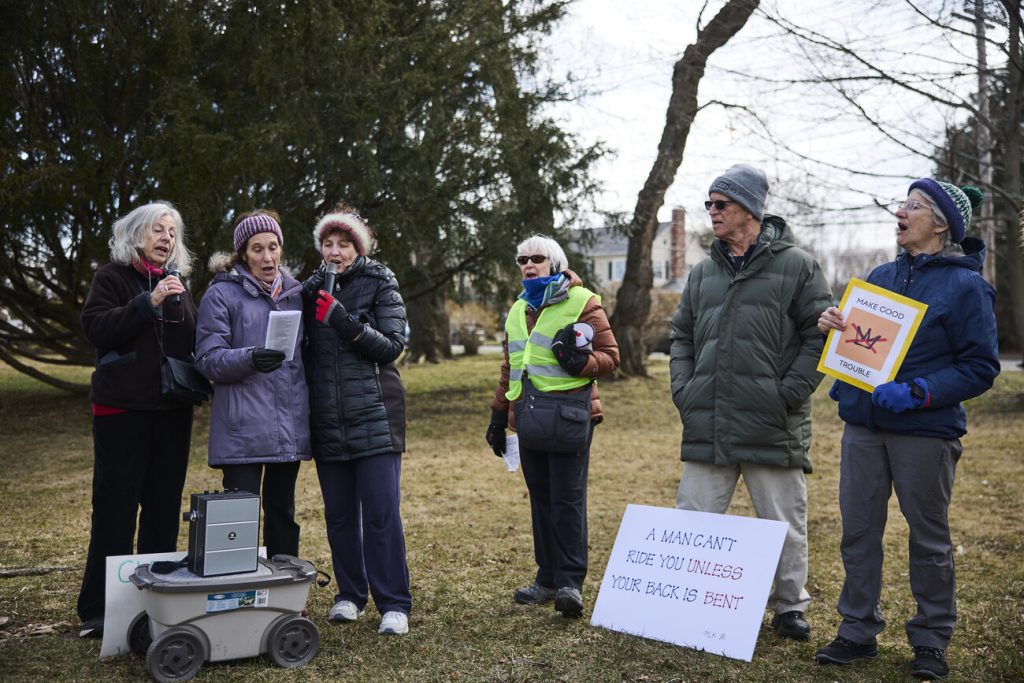
Photo: Jared Charney | Purchase this photo
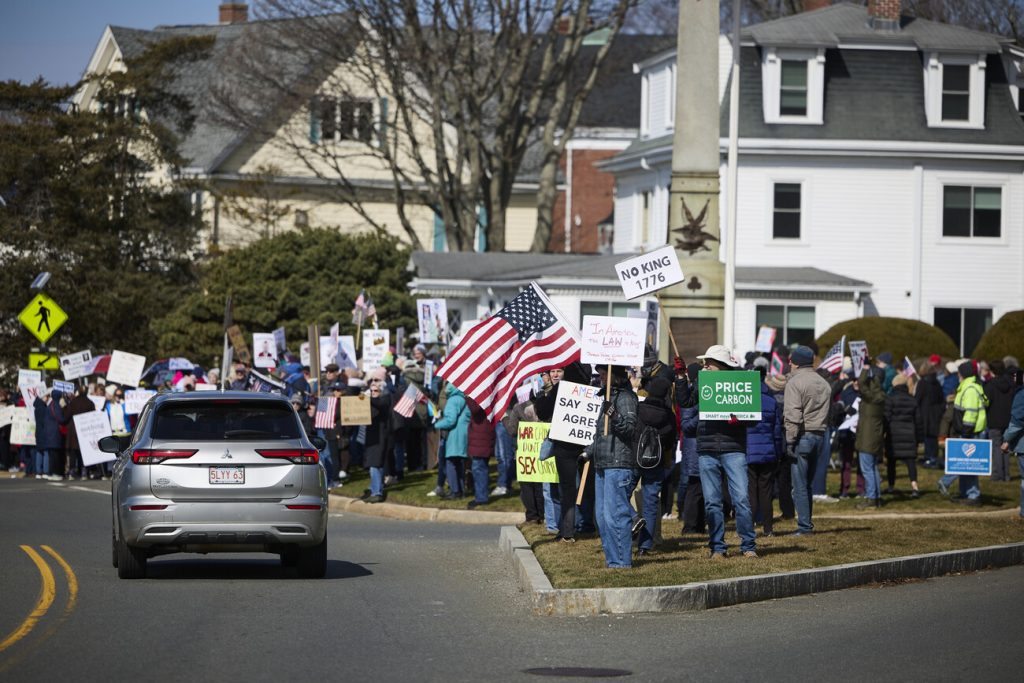
Photo: Jared Charney | Purchase this photo
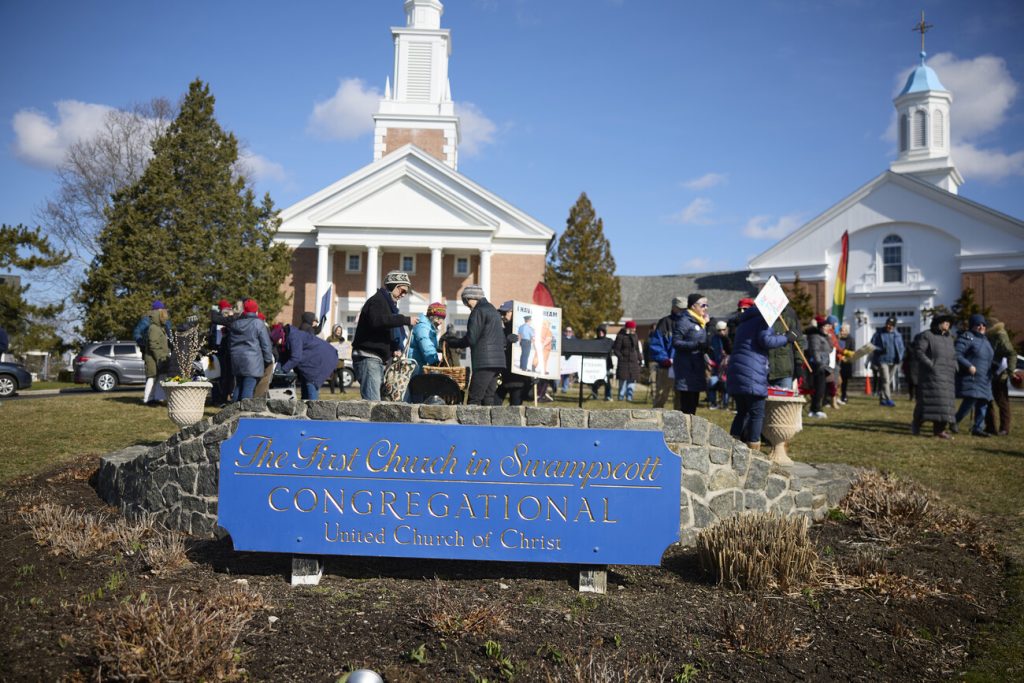
Photo: Jared Charney | Purchase this photo
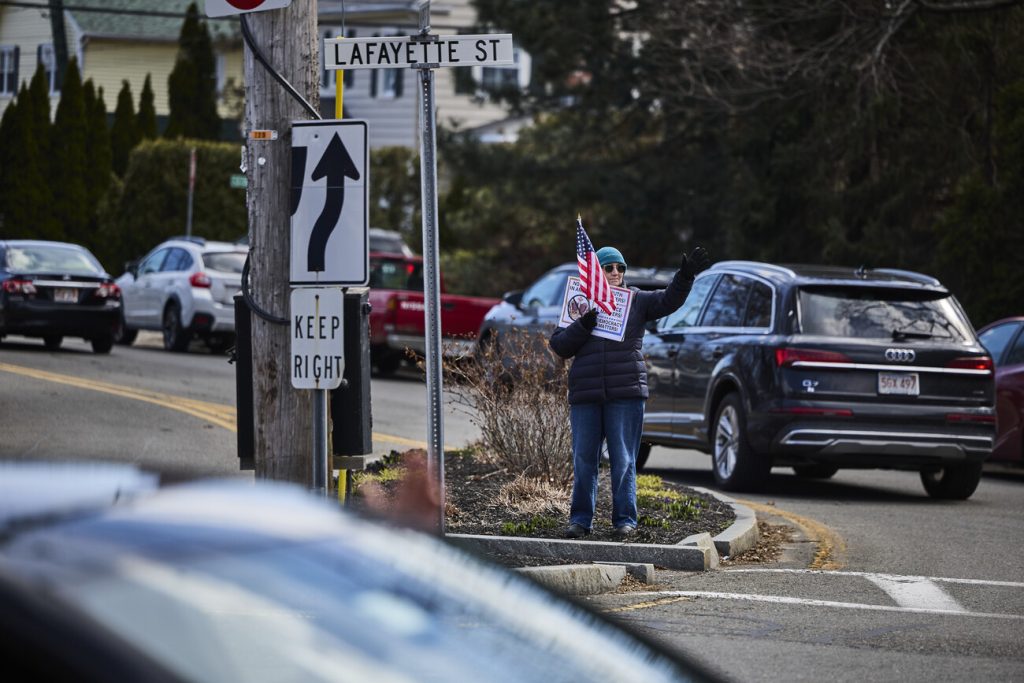
Photo: Jared Charney | Purchase this photo
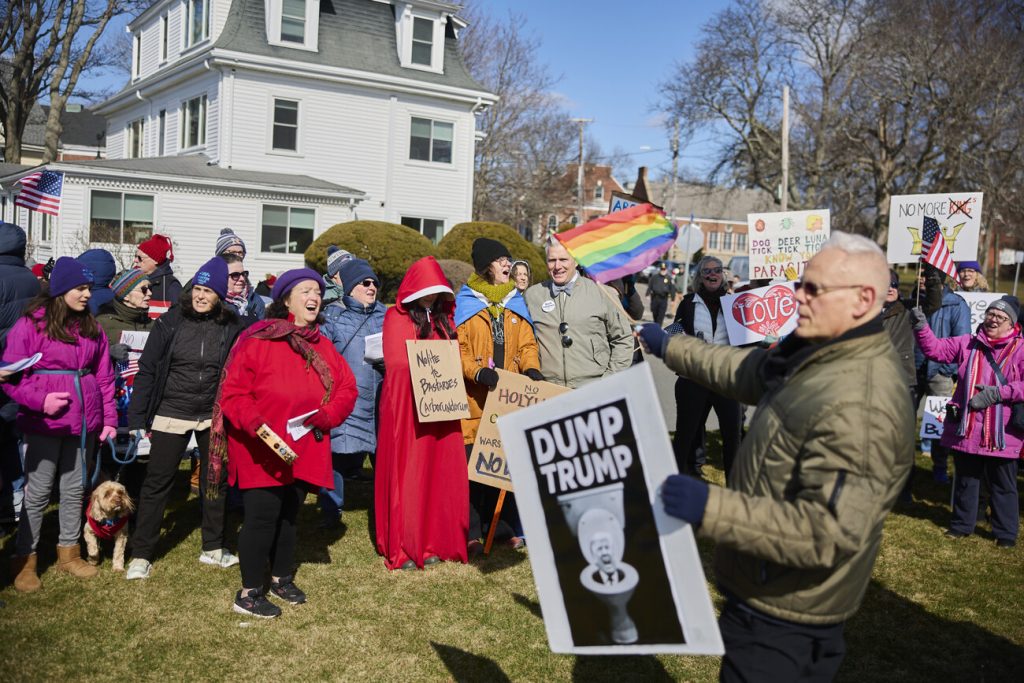
Photo: Jared Charney | Purchase this photo
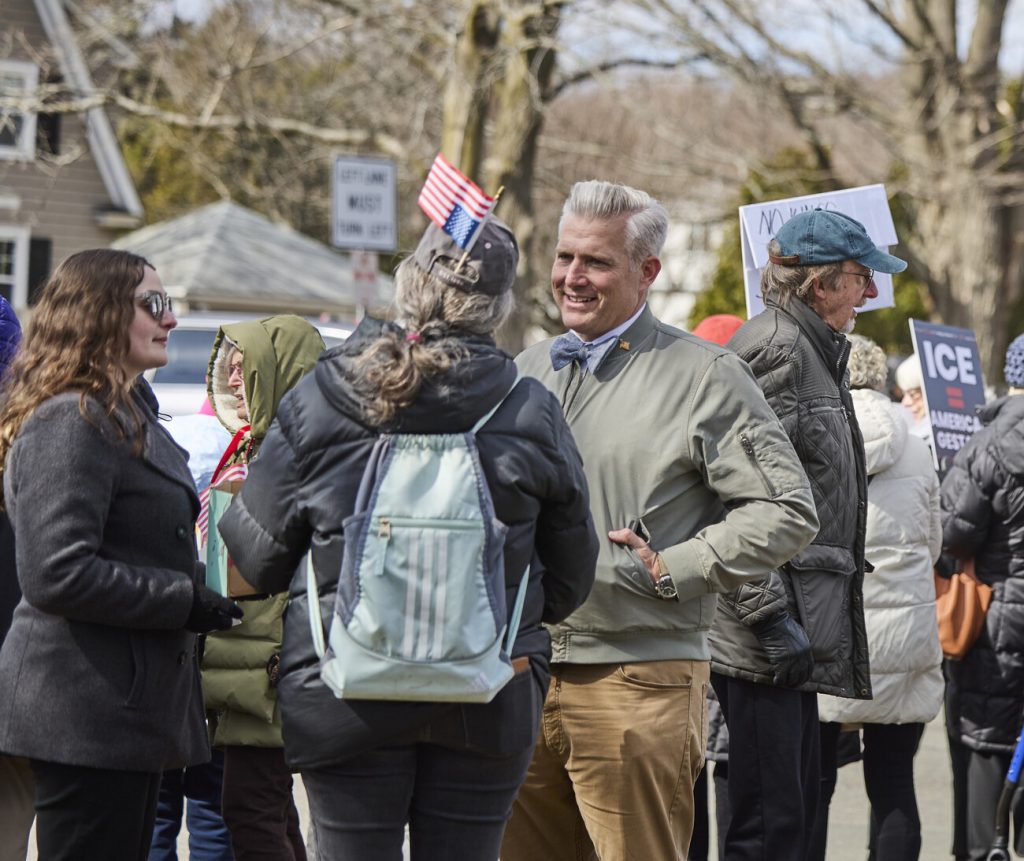
Photo: Jared Charney | Purchase this photo
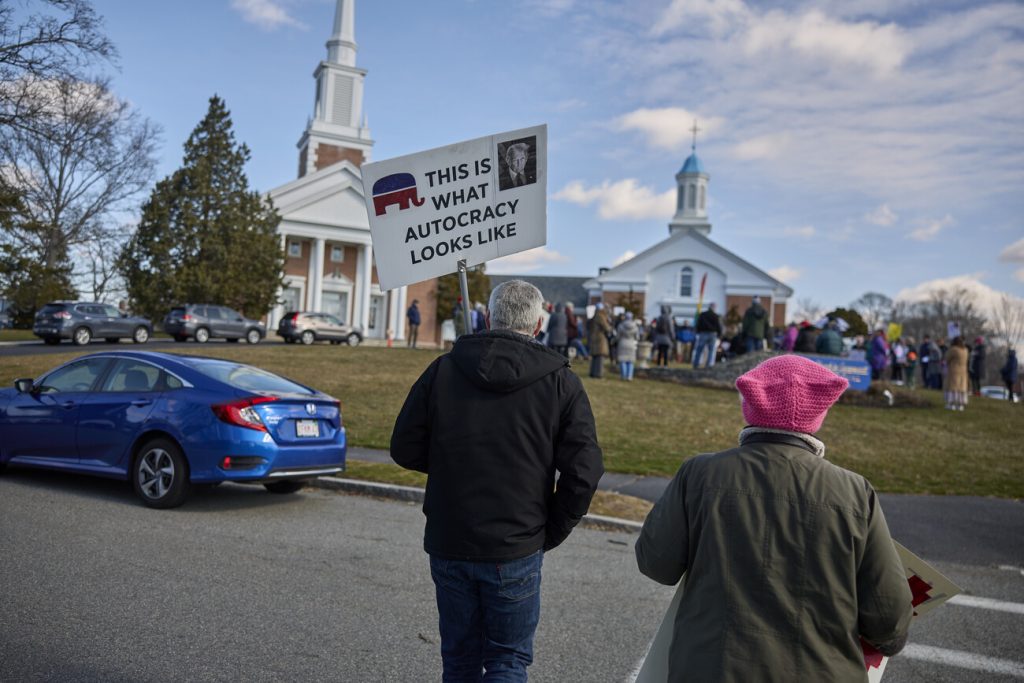
Photo: Jared Charney | Purchase this photo
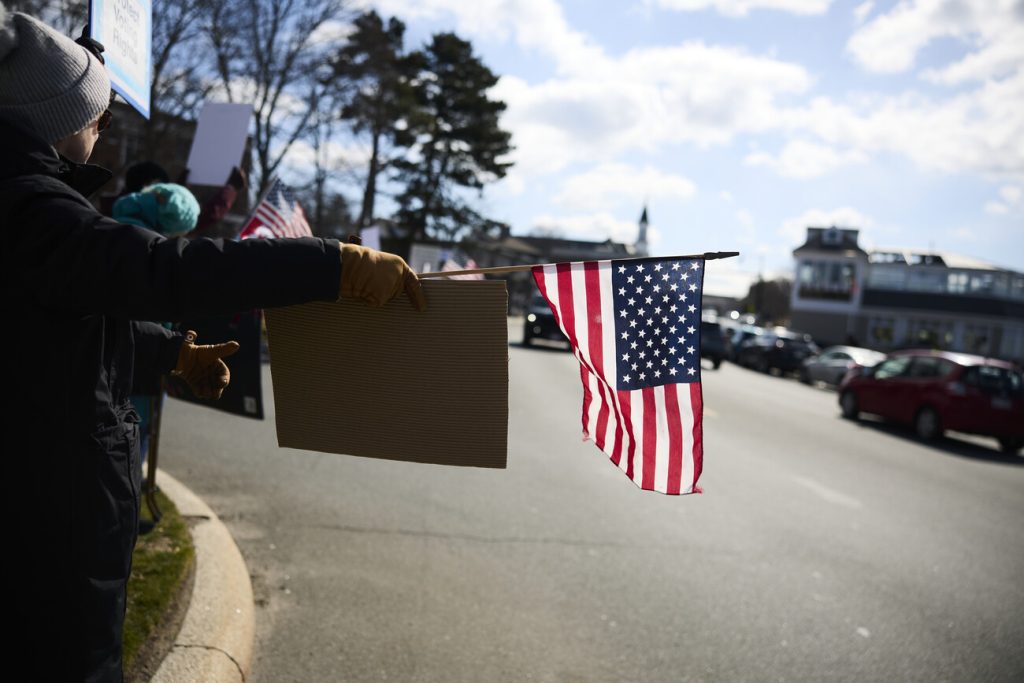
Photo: Jared Charney | Purchase this photo

Photo: Jared Charney | Purchase this photo
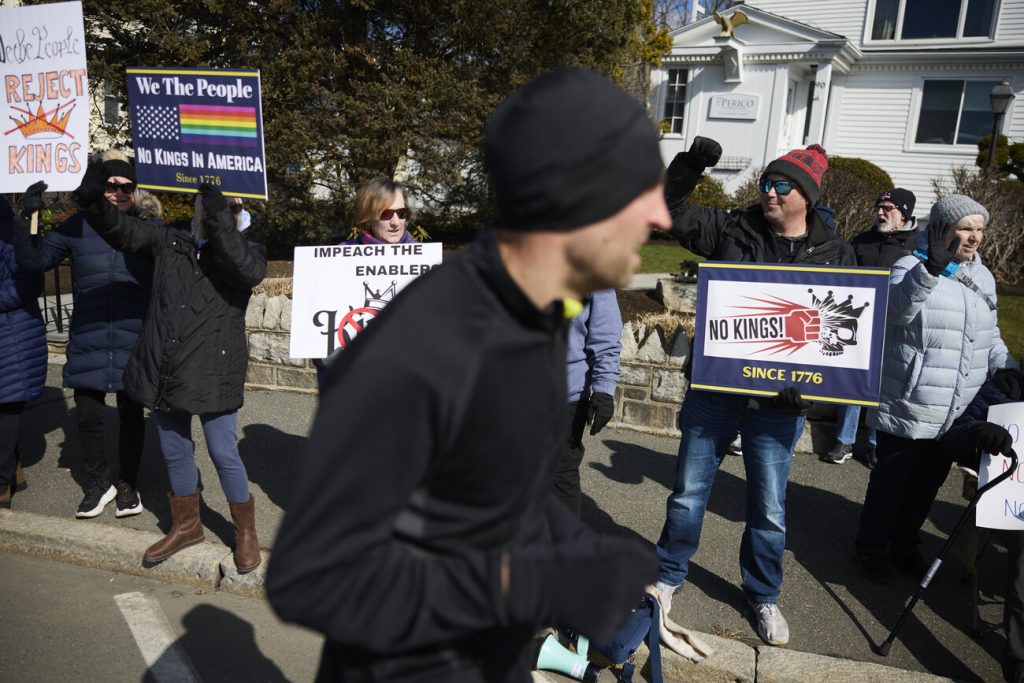
Photo: Jared Charney | Purchase this photo
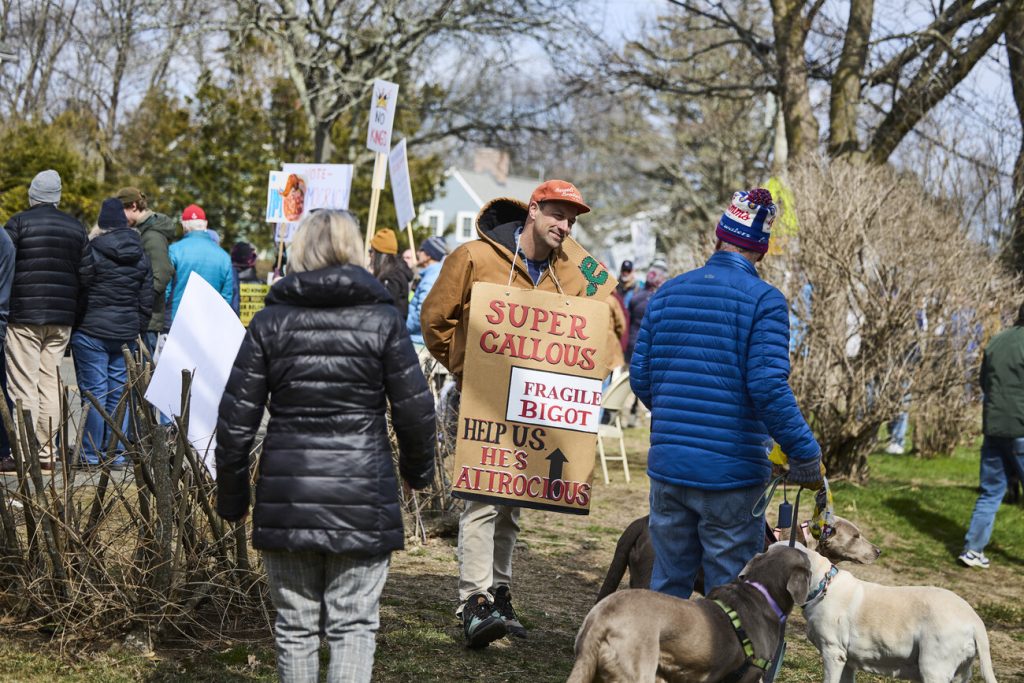
Photo: Jared Charney | Purchase this photo
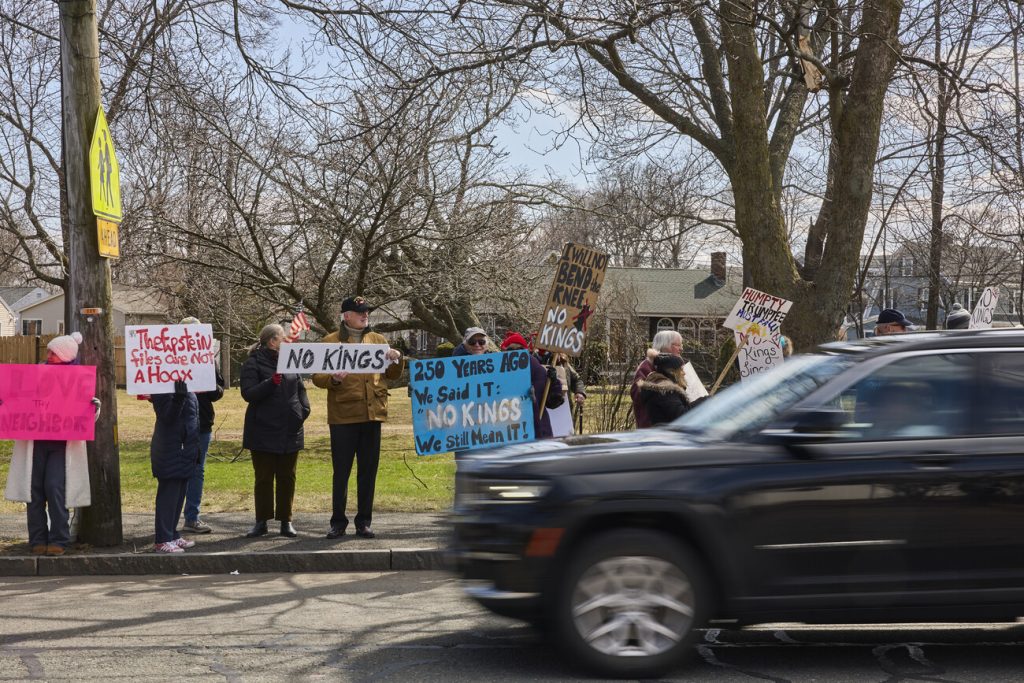
Photo: Jared Charney | Purchase this photo
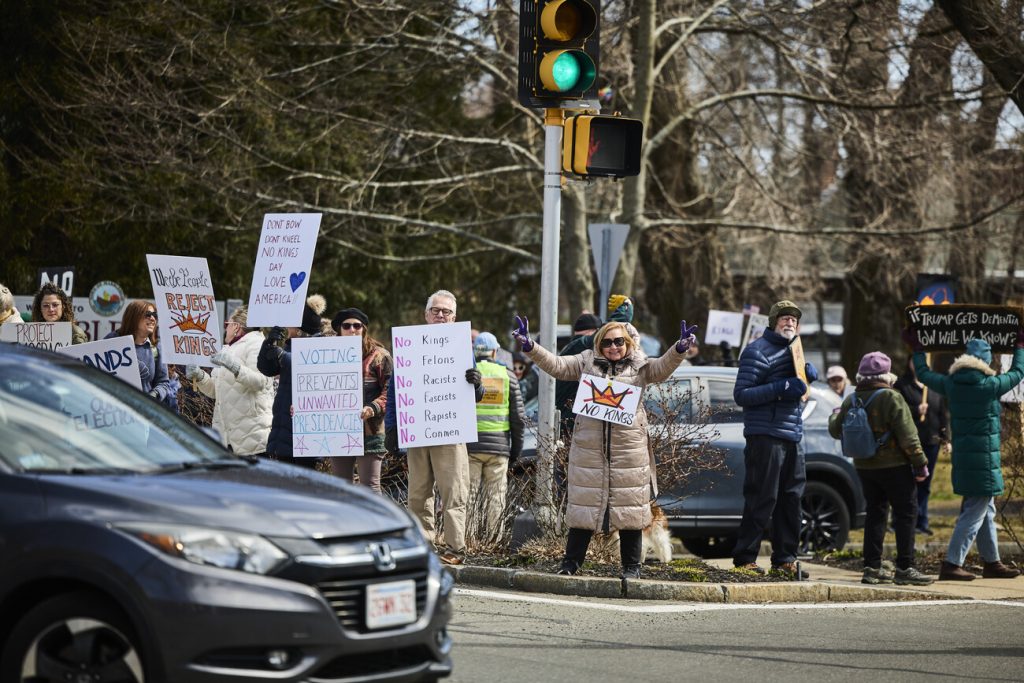
Photo: Jared Charney | Purchase this photo
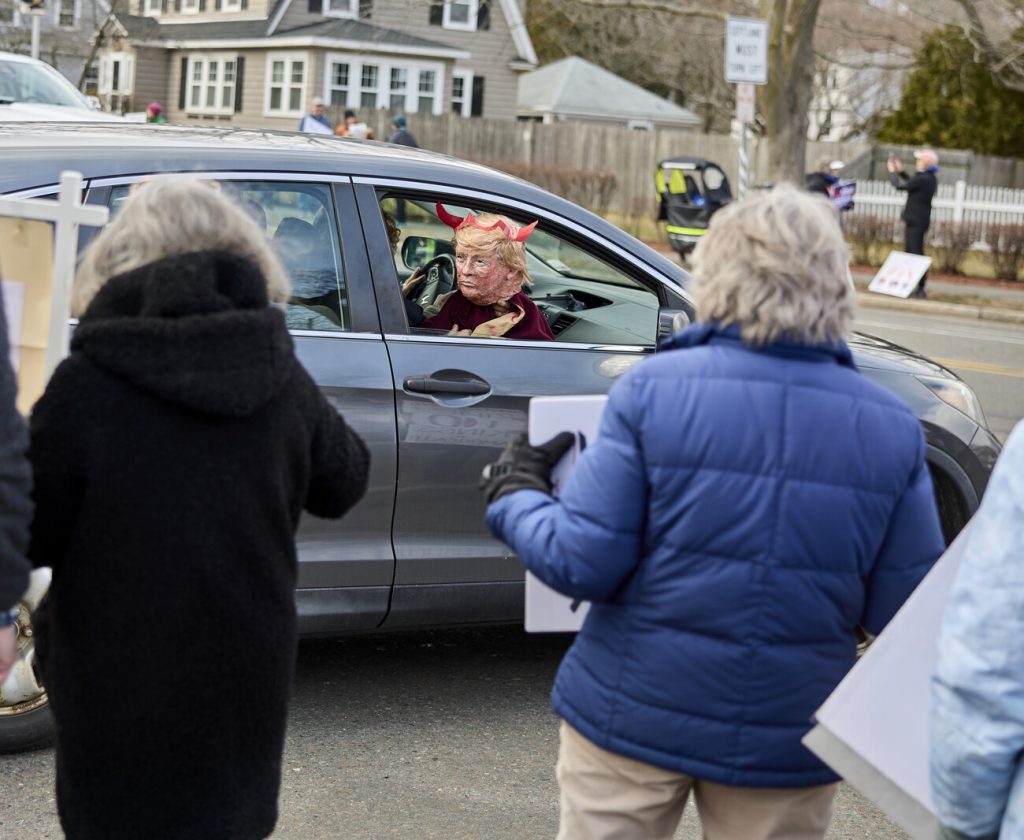
Photo: Jared Charney | Purchase this photo
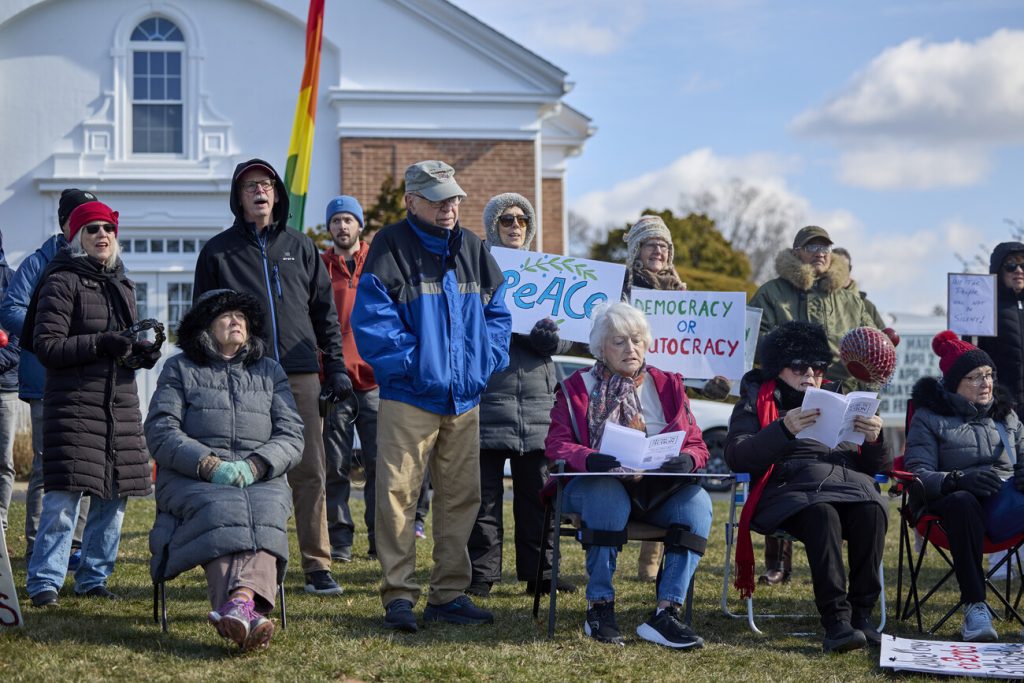
Photo: Jared Charney | Purchase this photo
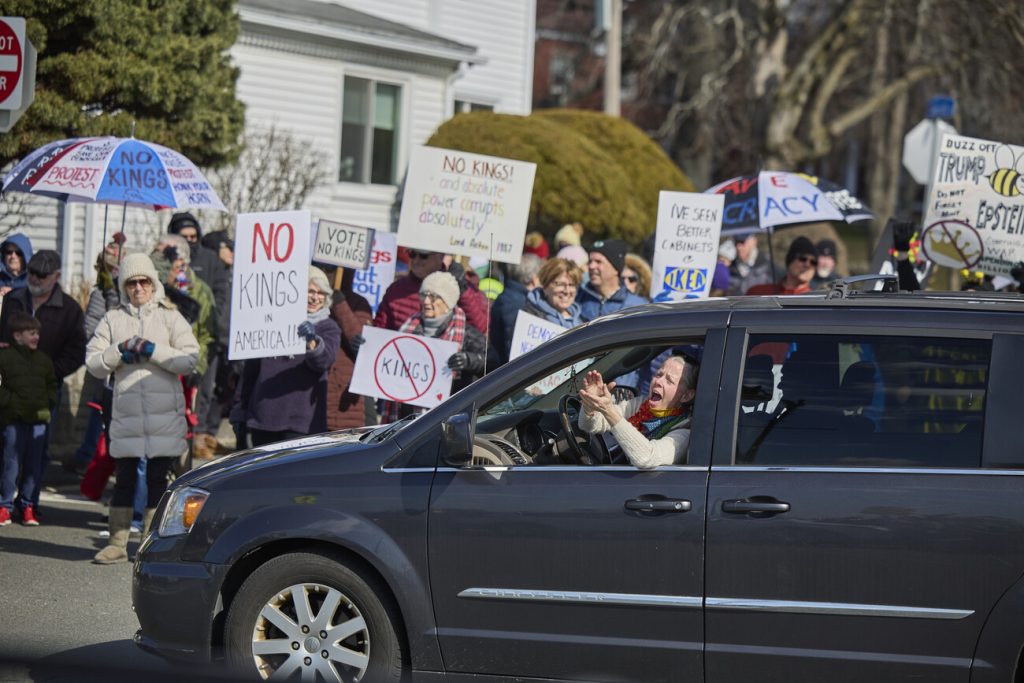
Photo: Jared Charney | Purchase this photo
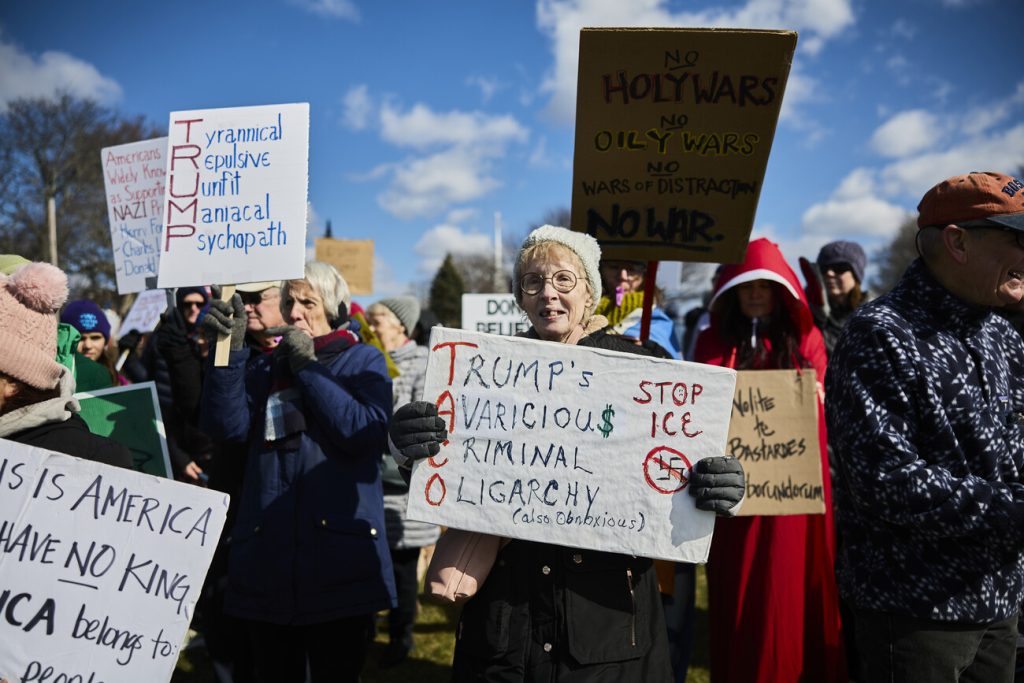
Photo: Jared Charney | Purchase this photo
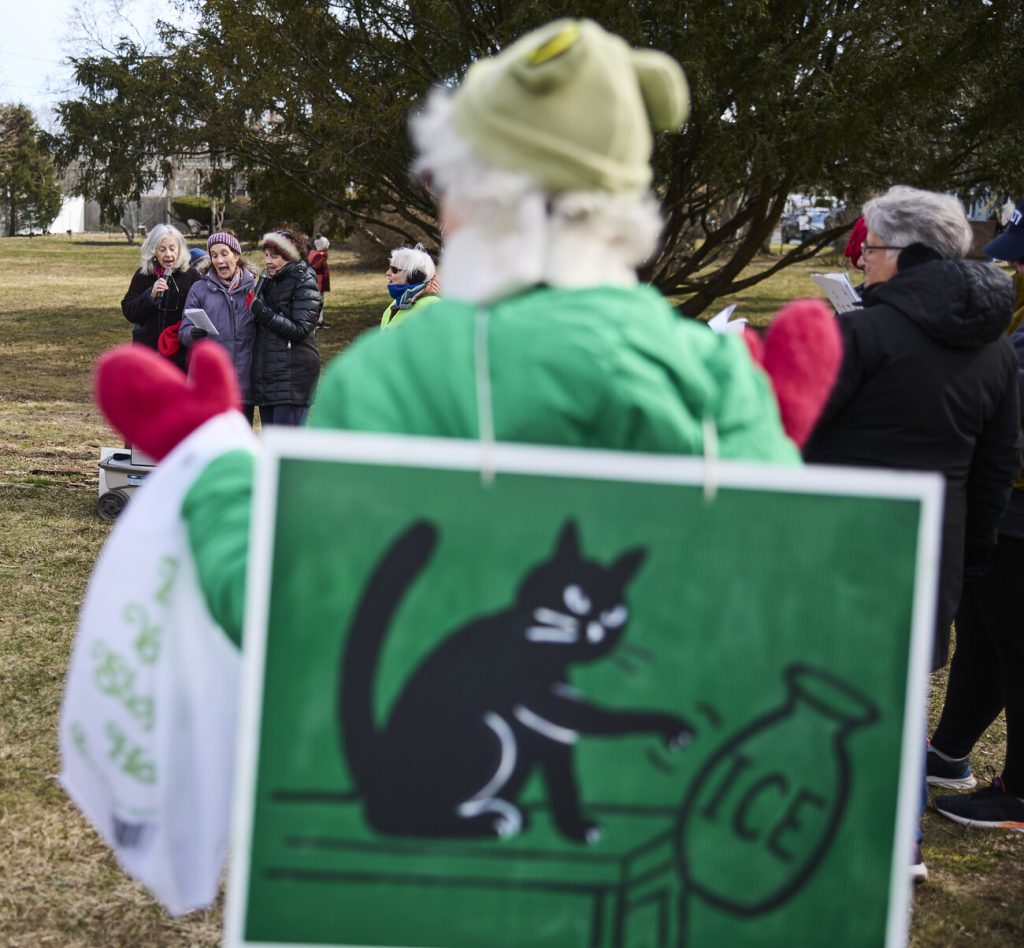
Photo: Jared Charney | Purchase this photo
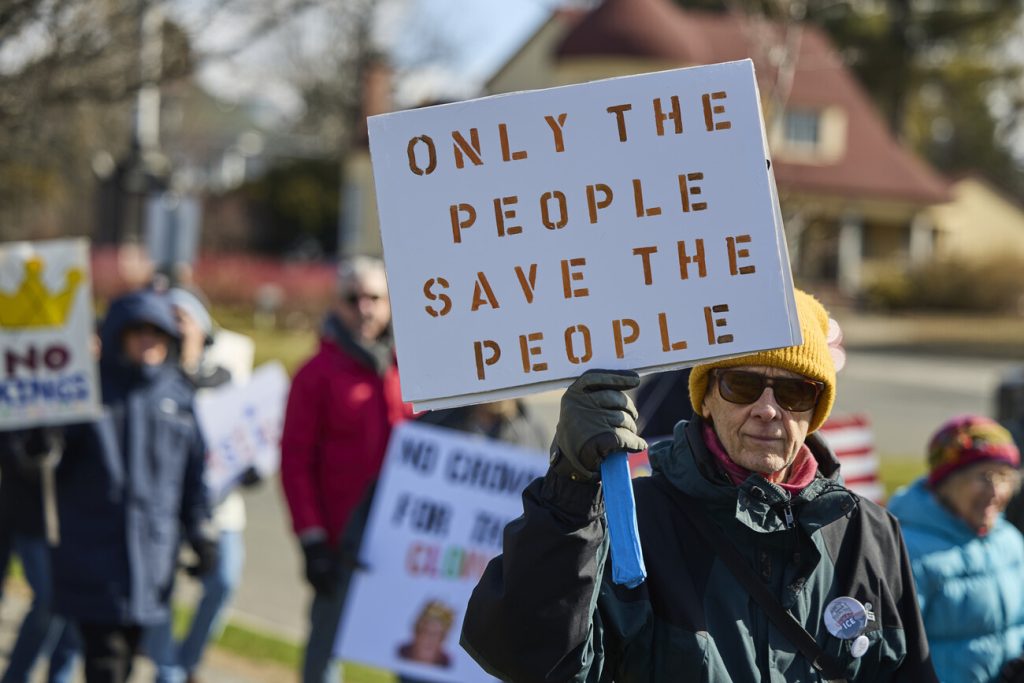
Photo: Jared Charney | Purchase this photo
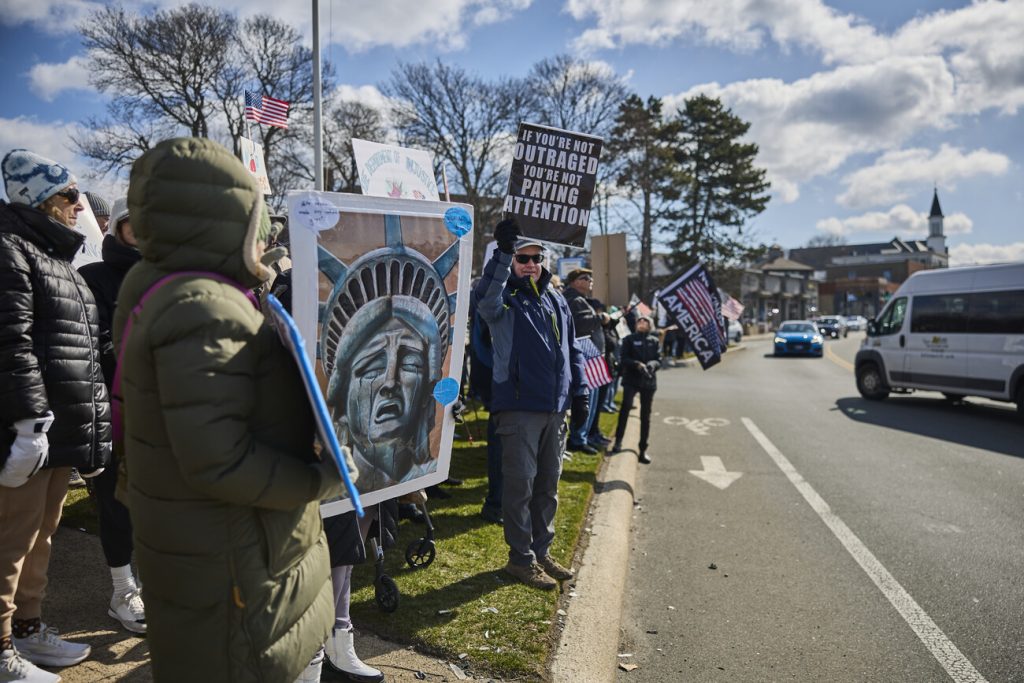
Photo: Jared Charney | Purchase this photo
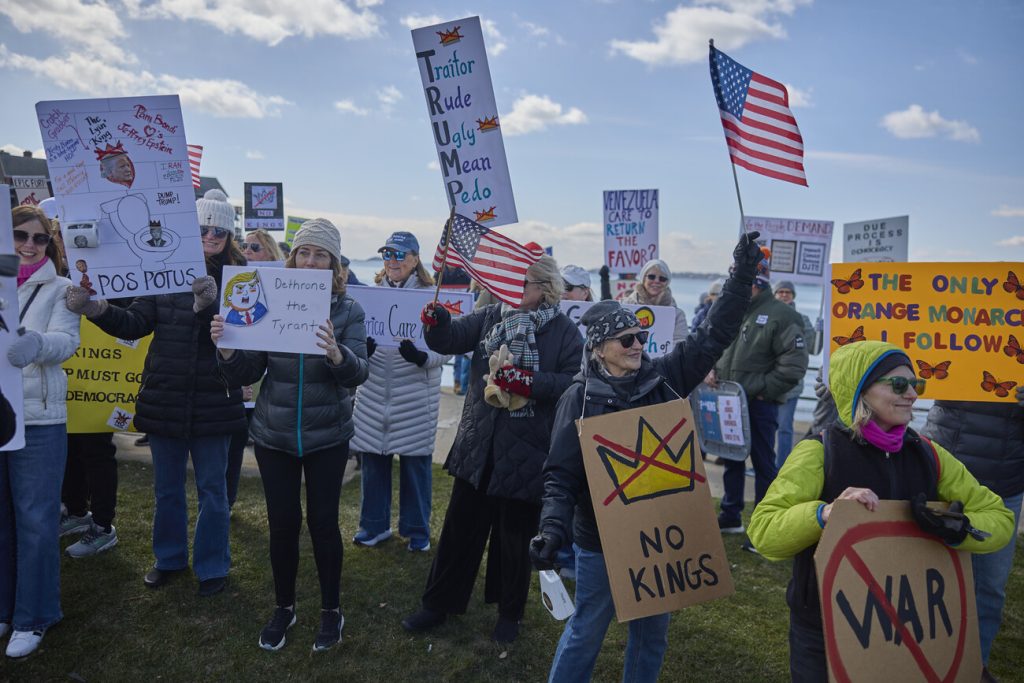
Photo: Jared Charney | Purchase this photo
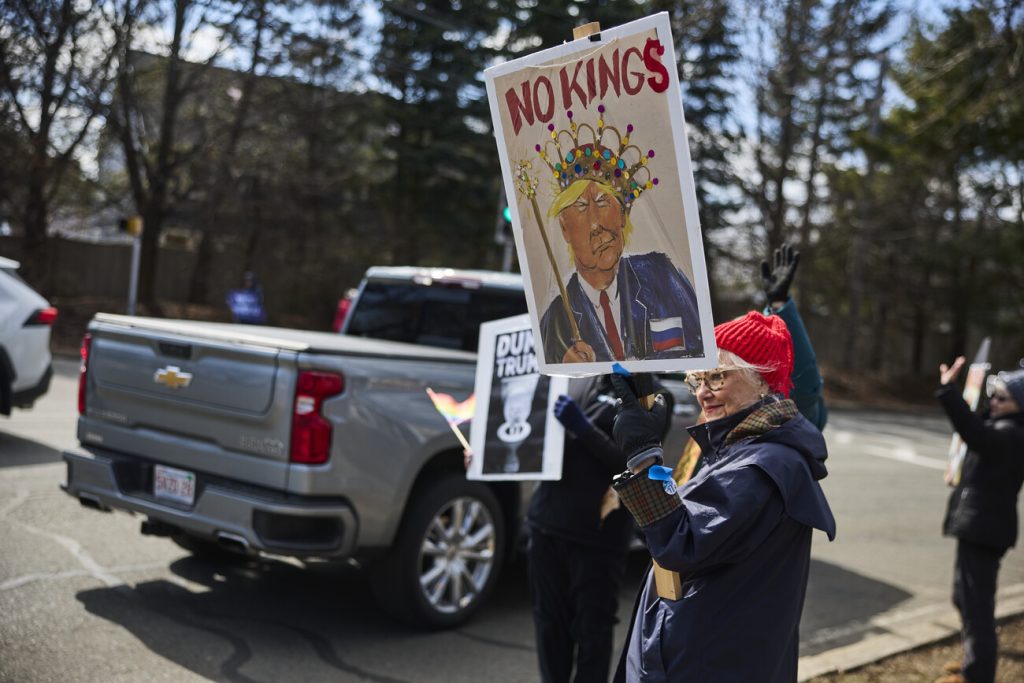
Photo: Jared Charney | Purchase this photo
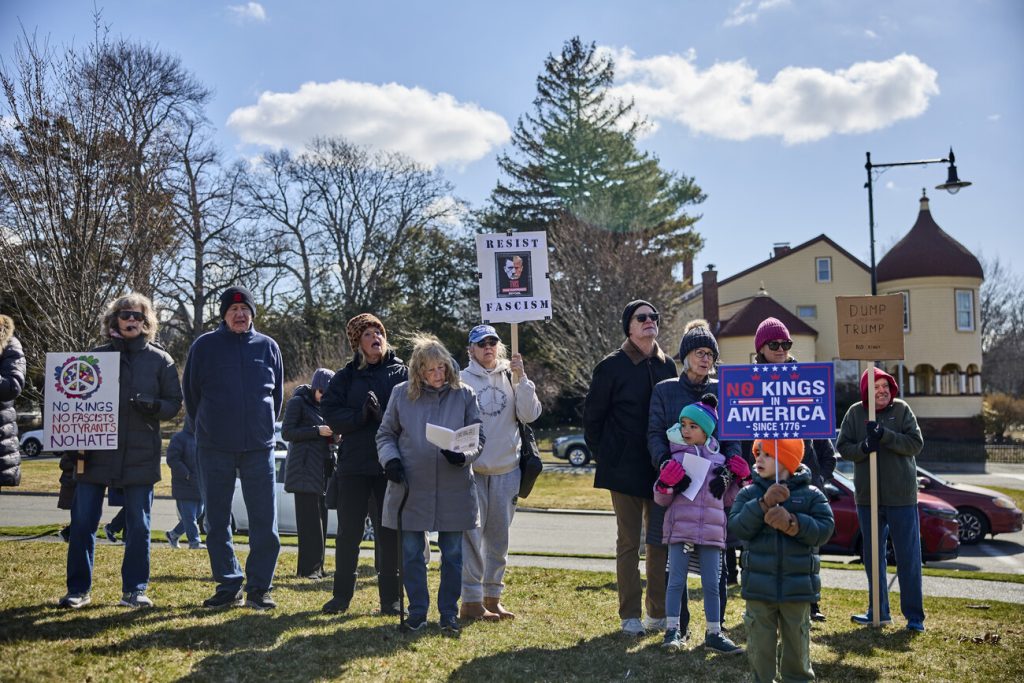
Photo: Jared Charney | Purchase this photo
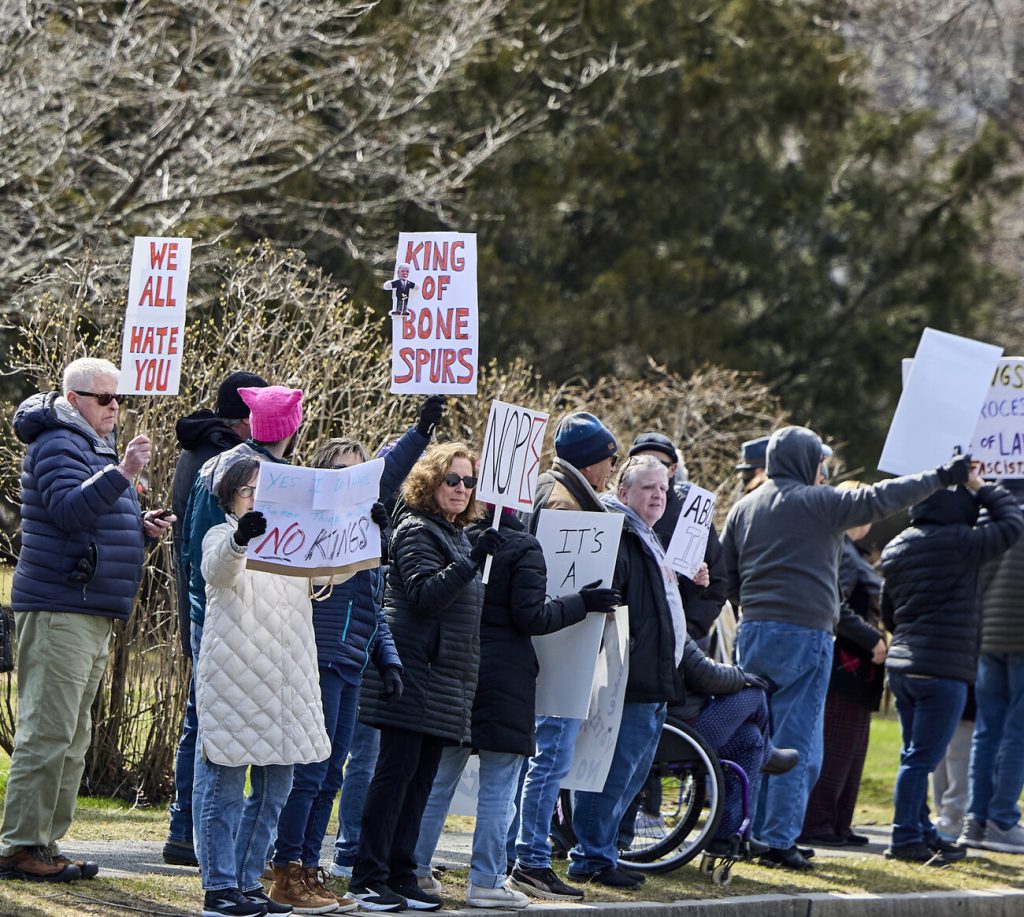
Photo: Jared Charney | Purchase this photo
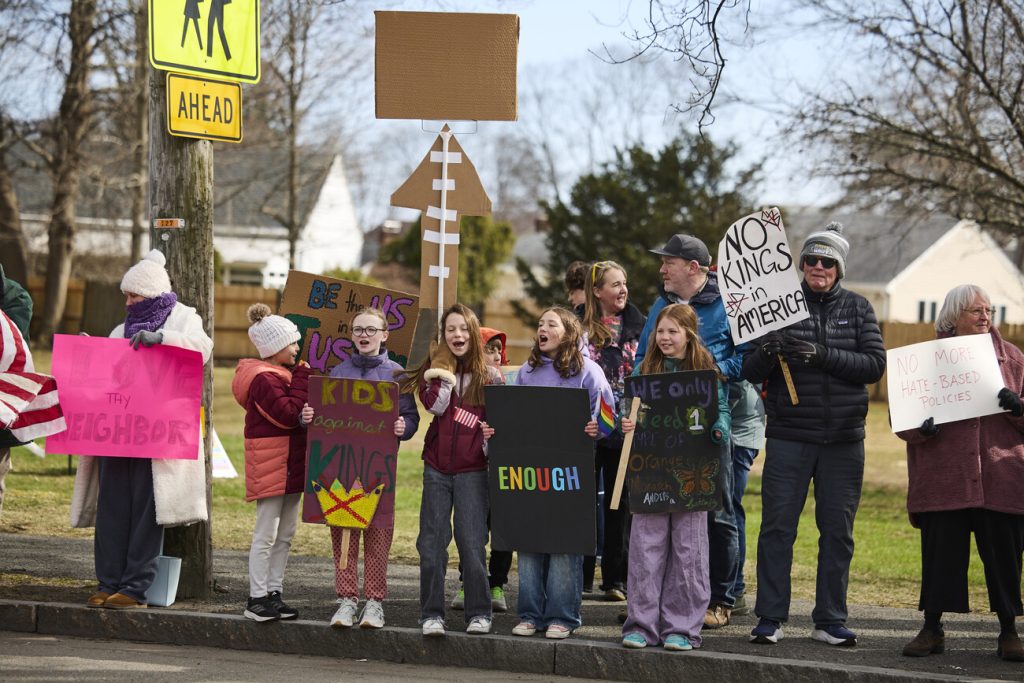
Photo: Jared Charney | Purchase this photo
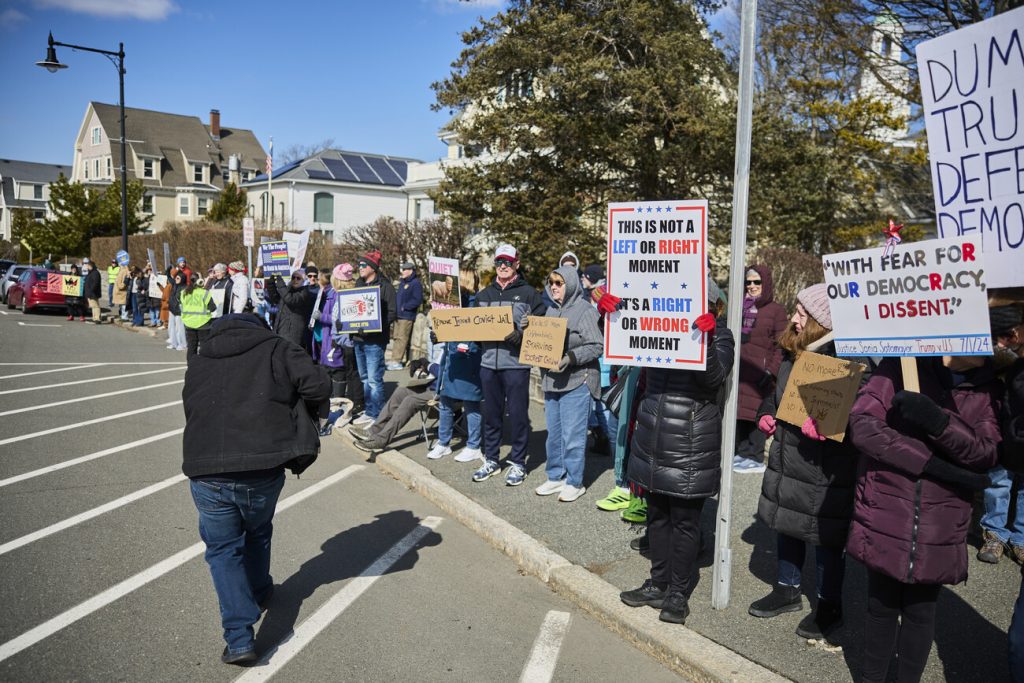
Photo: Jared Charney | Purchase this photo
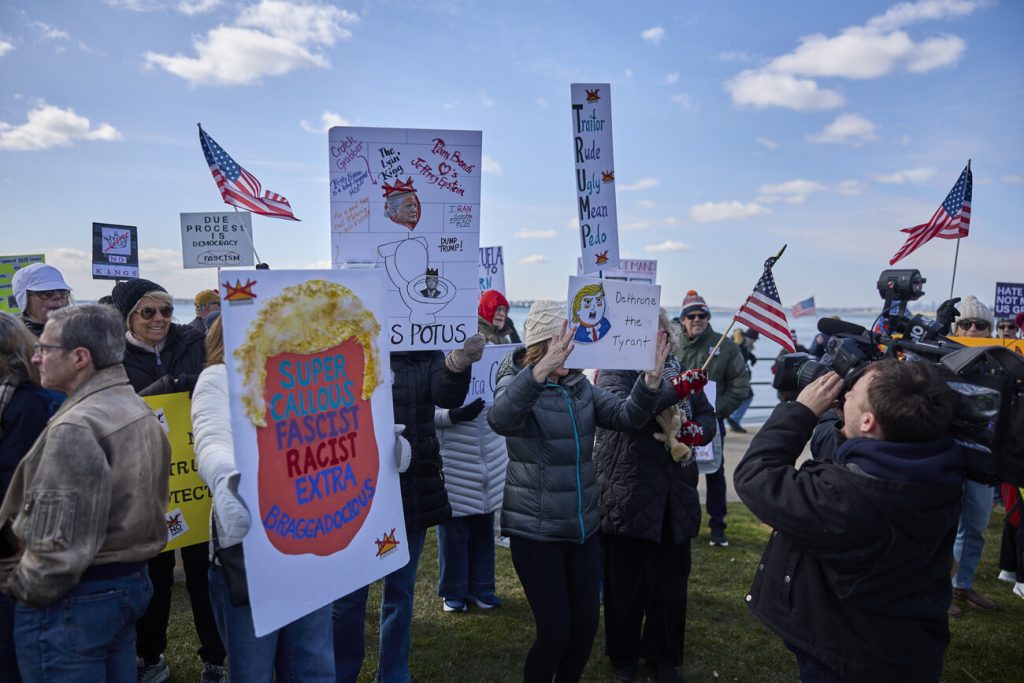
Photo: Jared Charney | Purchase this photo
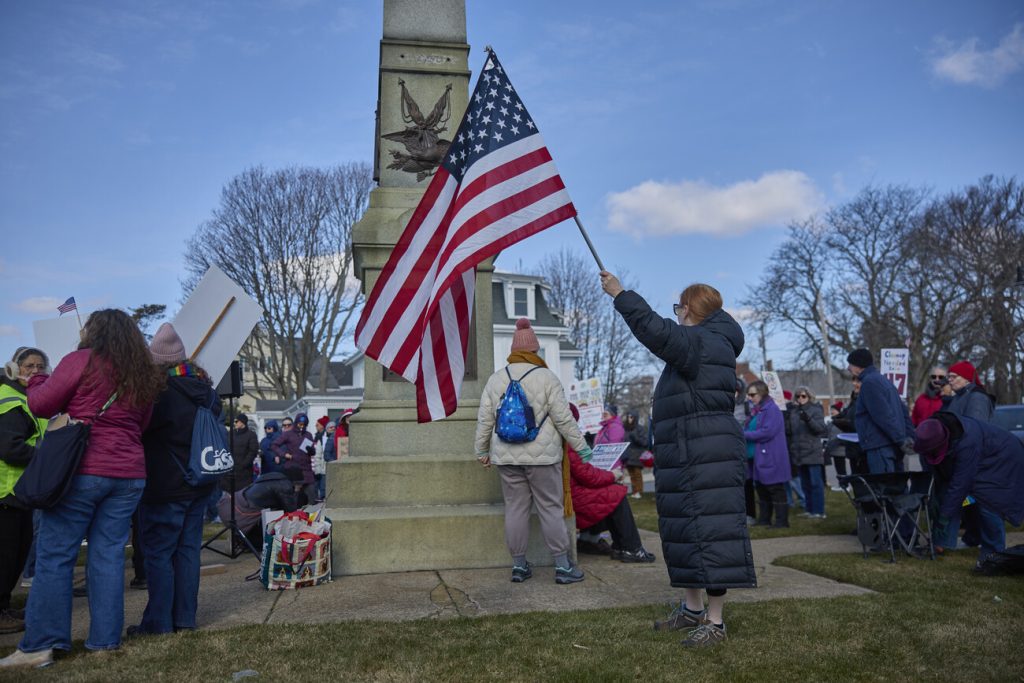
Photo: Jared Charney | Purchase this photo
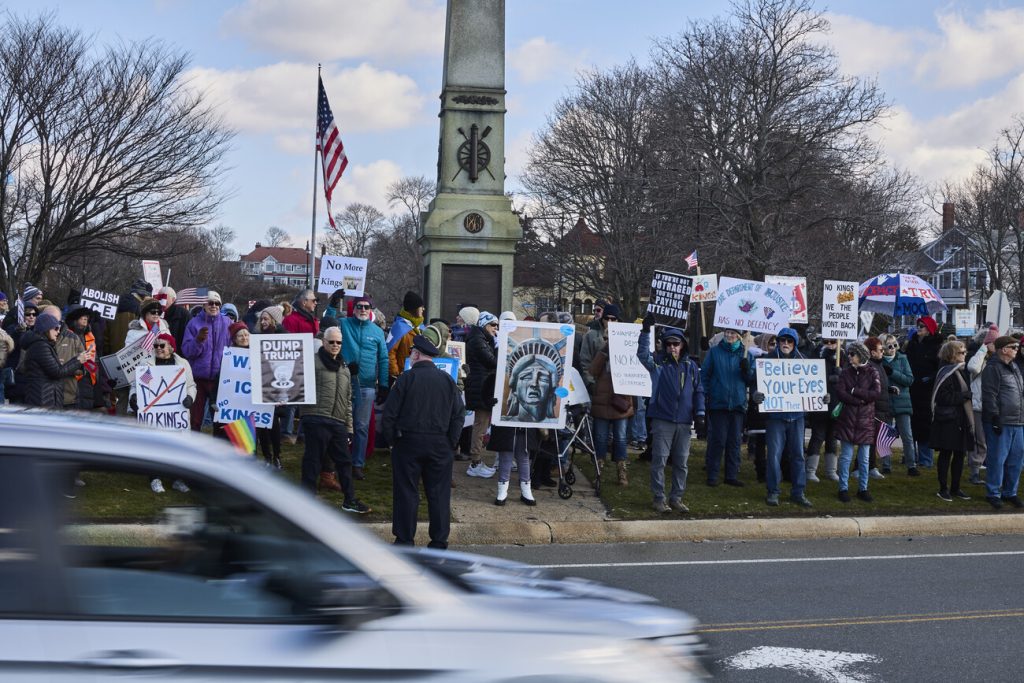
Photo: Jared Charney | Purchase this photo
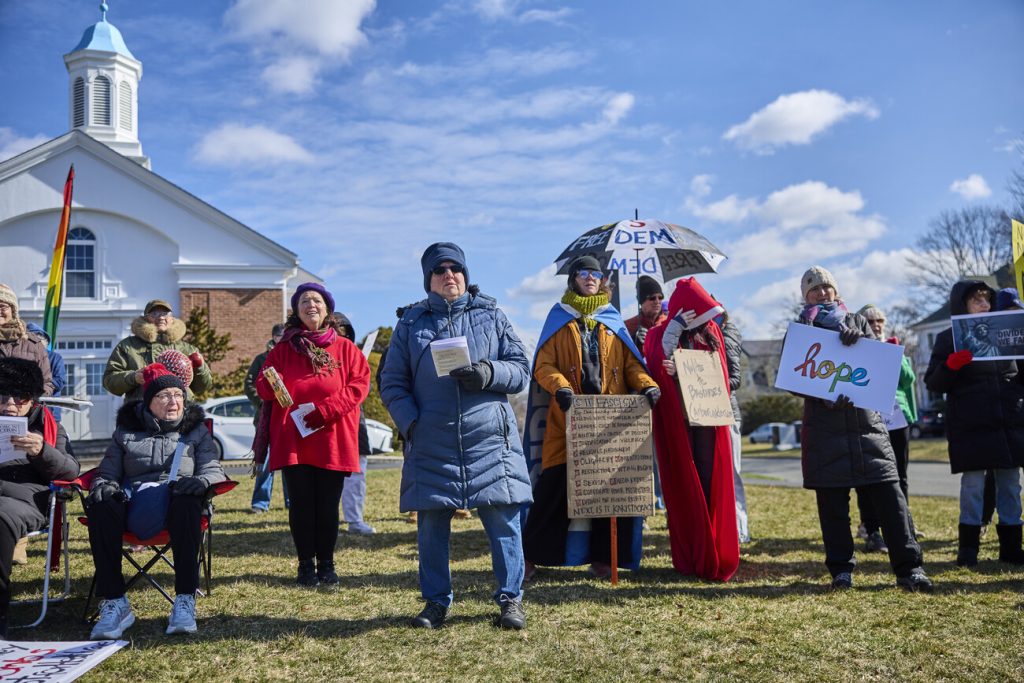
Photo: Jared Charney | Purchase this photo
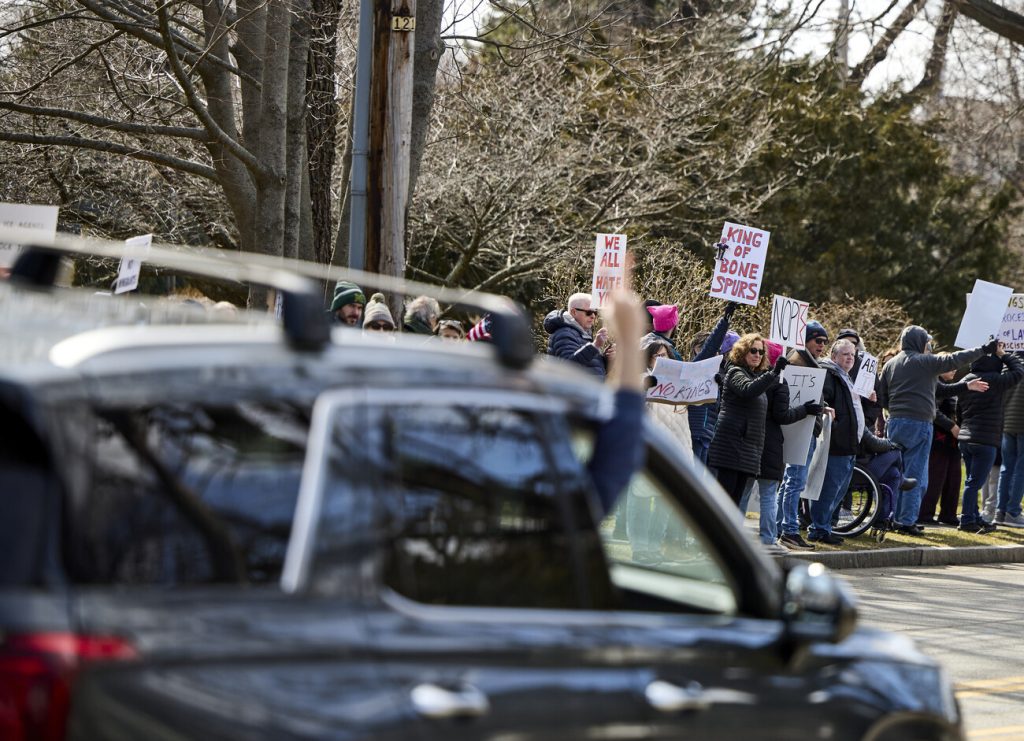
Photo: Jared Charney | Purchase this photo
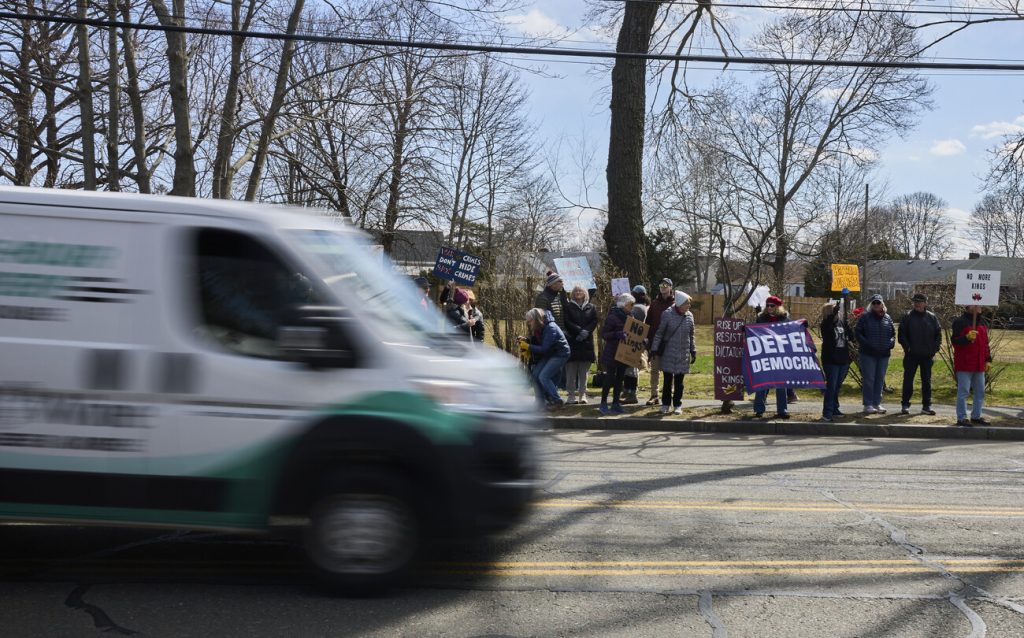
Photo: Jared Charney | Purchase this photo
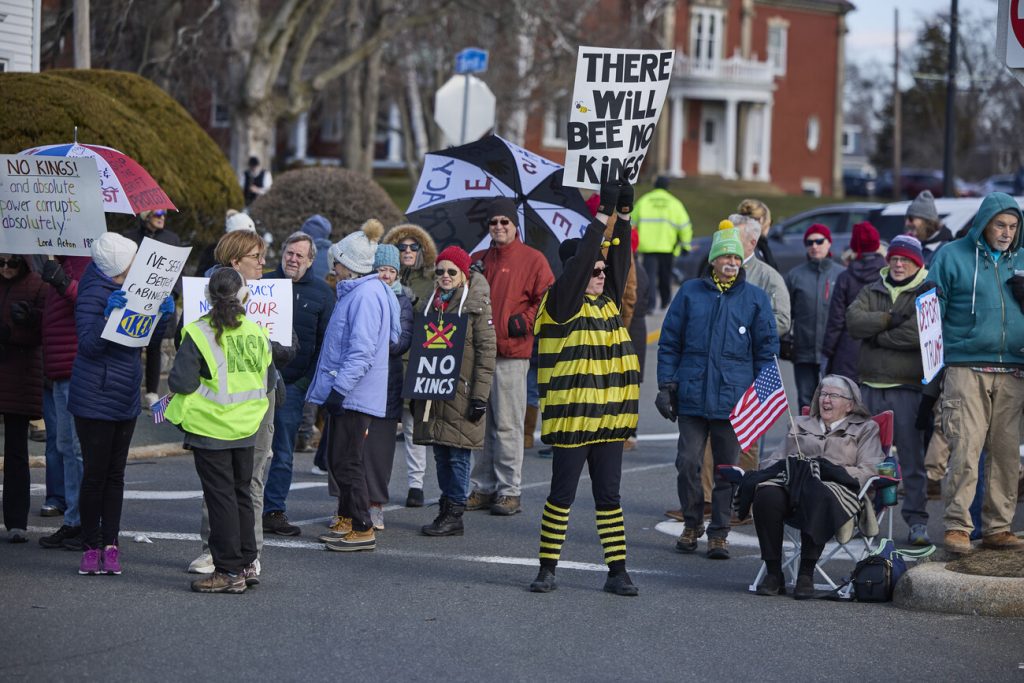
Photo: Jared Charney | Purchase this photo
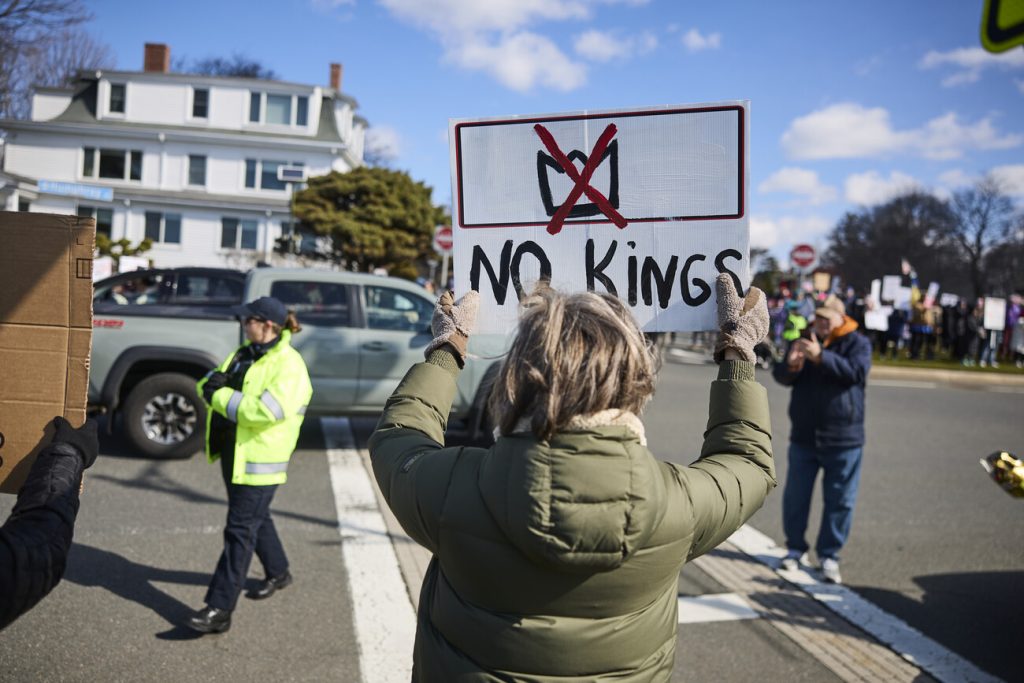
Photo: Jared Charney | Purchase this photo
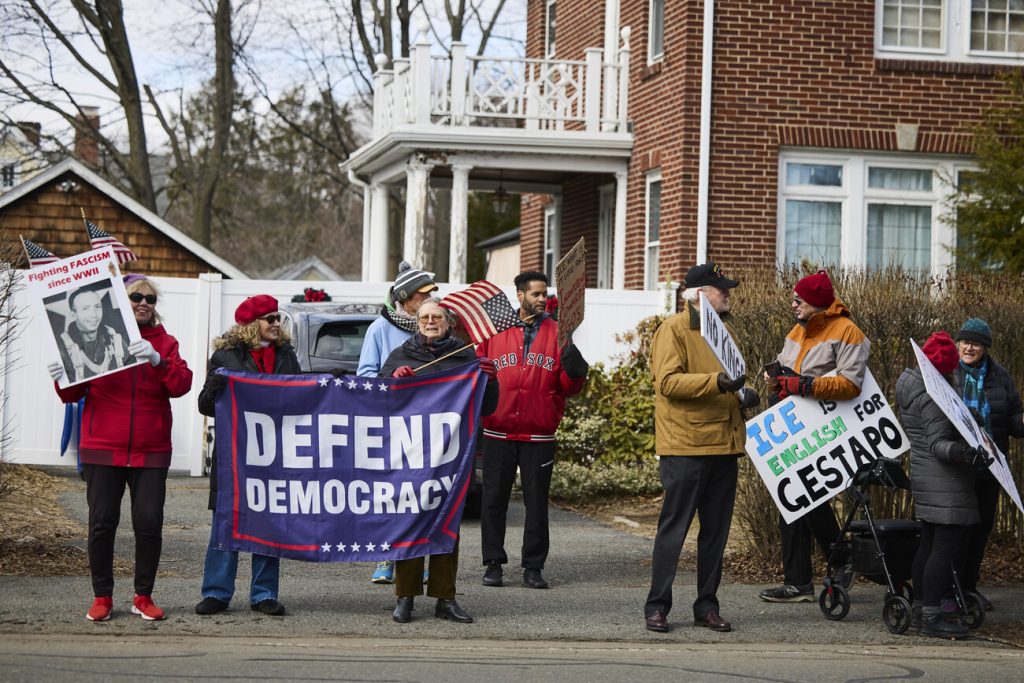
Photo: Jared Charney | Purchase this photo
Photo: Jared Charney | Purchase this photo