
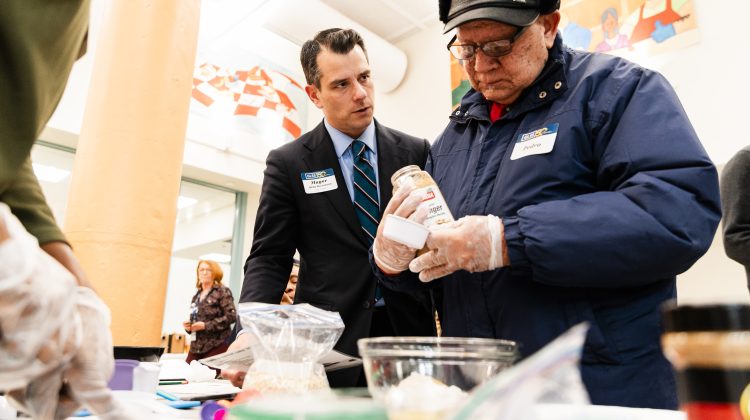
LYNN — Amidst concern over rising food insecurity and cuts to food assistance programs like SNAP, Governor Maura Healey’s Anti-Hunger Task Force has created a set of recommendations to ensure families across Massachusetts can access healthy, local, and affordable food.
The task force, which includes Lynn Mayor Jared Nicholson, has outlined essential areas to focus on to combat record levels of food insecurity across the state, as well as the risks imposed by cuts to federal SNAP spending. Nearly one million Massachusetts residents rely on SNAP, including 31% who are children, 26% of older adults, and 32% of people with disabilities. There are also 5,500 farms and local grocery stores that are dependent on SNAP revenues.
The Daily Item recently reported that the Lynn Food Policy Council held a meeting to discuss the matter, and even attributed rising utility costs and gas prices as a major factor impacting both households, as well as how local food organizations and these farmers can both operate and conduct deliveries.
“Lynn is proud to join the Healey-Driscoll administration in this effort to combat hunger and build a more equitable food system for all. Across communities, we have seen the profound impact of collaboration,” Nicholson said. “By uniting despite federal challenges, we are driving meaningful change and ensuring our most vulnerable residents are always supported.”
After holding multiple meetings throughout the fall and winter with both residents, food pantries, local retailers, and community members, as well as farmers and those in government, the task force has pinpointed the importance of strengthening the SNAP program and emergency food systems, as well as ensuring other nutrition programs are maximized, and local food systems are sustained.
In her FY27 budget, Healey has proposed $338 million in anti-hunger program investments, which would account for a nearly 12% increase since last year’s funding. Of that, $29.7 million would fully fund the Healthy Incentives Program, $55 million would be for food banks and food pantries, and an $18 million increase to fund universal school meals and support food insecurity on college campuses. There’s also a proposal for a new tax credit – up to $5,000 – for farmers who donate to food banks and pantries that cut down on food waste.
“At a time when families are already struggling with the cost of groceries, President Trump’s cuts to food assistance are pushing even more people into hunger,” Healey said. “These recommendations show how Massachusetts is stepping up to protect families, support our farmers and small businesses, and make sure everyone has access to healthy, affordable food. I’m grateful to the members of the Anti-Hunger Task Force for their thoughtful work and to the many families, farmers, and community members who shared their feedback along the way. We’re going to keep using every tool we have to lower costs and fight hunger across our state.”