
SAUGUS — The Saugus Public Library got up close and personal with some animals as Wildlife Encounters stopped by to put on an informative presentation with father-daughter duo Derek and Riley Small. The event was put on by Saugus Action Volunteers for the Environment, thanks to a grant from the Massachusetts Cultural Council.
Wildlife Encounters Ecology Center is a family-run organization with a USDA license located in New Hampshire.
“This is our 22nd year of touching hearts and teaching minds as an organization and working with beautiful ambassador animals,” Derek Small said, continuing that part of his job was to educate the audience about the different animals they had brought and spread a message of conservation.
The first animal to make an appearance was Spaulding, the three-banded armadillo, appropriately named as he came out tucked in a ball.
“Now, there are 17 types of armadillos. And what you’re probably thinking is when an armadillo is sleeping or is scared, they do what our friend Spaulding is doing, which is curling up in a ball… Now, here’s the crazy thing… Of all the different types of armadillos, from the tiniest one that only grows to be 4 inches long… to the biggest armadillo, the giant 100-pound black armadillo, only two can actually curl up into a ball,” Derek Small explained.
Riley Small brought Spaulding around the room for the audience to touch, while Derek Small spoke about Spaulding’s different characteristics, like his long nails used to dig for food and the scales on his back that act like armor.
Derek Small explained that armadillos eat bugs like fire ants, and that when people use certain products to spray ants, these products can harm armadillos if they consume too many of the sprayed ants.
“Sometimes when we use products like bug spray, it can have unintended consequences because the spray doesn’t go away as soon as we spray the ant. It stays there,” he said.
He also noted that the armor of an armadillo can withstand the bite force of a jaguar, but that raptors are often what hunt armadillos.
Next out was a black-footed ferret named Argyle, and Derek Small said that the good news was that while these animals were once thought to be extinct, a resurgence has occurred, and a controlled group in captivity has been created to raise the population.
“Argyle is here representing a North American species of ferret that became extinct up until 50 years ago… They actually cohabitate with another wild animal, very popular out there… prairie dogs,” he said.
He continued that the black-footed ferrets would go down into the prairie dog tunnels and hunt them.
“So, we would plow to turn the prairies into fields of corn, and soy, and wheat… And also, we would spray a lot of chemicals, pesticides, and herbicides on these crops. For that, and many other reasons, the black-footed ferret was proclaimed extinct,” he said. “… But this is one of a couple of examples of animals here where great news is happening thanks to the work of organizations like SAVE.”
Argyle jumped around the table and even took a tumble as he goofed off during the presentation.
The next animal out was an American alligator named Irwin, named after the late Steve Irwin.
Derek Small explained that when he was young, the species was extinct in certain places and endangered in the United States, but today, they are no longer considered endangered.
“Fun fact, Florida is the only place where a crocodile species and an alligator species live in the same place. That doesn’t happen anywhere else on Earth,” he said.
He then said that the American alligator plays a key role in the environment, and those paying attention noticed that where these alligators were disappearing, ecosystems began to look unstable.
“These animals help keep habitats stable. Let me explain. You’re all sitting in chairs right now, and you feel stable, right… Well, what if I snap my fingers and one of the legs on those chairs becomes shorter or disappears? You’d be a little unstable, right?… These guys are to nature and their habitats like the leg of the chair,” Derek Small said. “We call it a keystone or pillar species.”
Programs were created in zoos and alligator farms to help baby alligators grow up and be reintroduced, with Derek Small explaining that only one in every 10 baby alligators survives to adulthood in the wild, making it difficult for the struggling species to grow. The farms helped combat that difficulty.
Next to come out was a tomato frog from Madagascar.
“About 90% of the biodiversity of plants and animals in Madagascar has been obliterated in the last 100 years. Lemurs, chameleons, and on and on. It’s a really tough situation. But, again, in the last 20 to 30 years, things have been improving, and one animal that is now close to threatened, but the population is looking strong, is one of these hardy little creatures called the tomato frog,” he said.
Derek Small said that the frogs were found only in Madagascar and that, like all amphibians, they were very sensitive to herbicides, pesticides, and other substances that get into the water.
Hopping out next was an energetic albino wallaby named Kalina, who ran around the entire community room with Derek Small keeping pace close behind.
Derek Small explained that wallabies came from Australia and were “kind of close cousins to the kangaroo.”
He also explained that while Kalina’s wallaby species was doing alright, many of them (including kangaroos and other macropod species) were struggling due to the massive numbers of invasive species in Australia, such as rabbits.
The final animal to make an appearance was Baby Burma, the Burmese python, which Derek Small explained became an invasive species in Florida, mainly due to Hurricanes Katrina and Andrew, which destroyed several professional buildings housing approximately 15,000 pythons.

Photo: Spenser Hasak | Purchase this photo
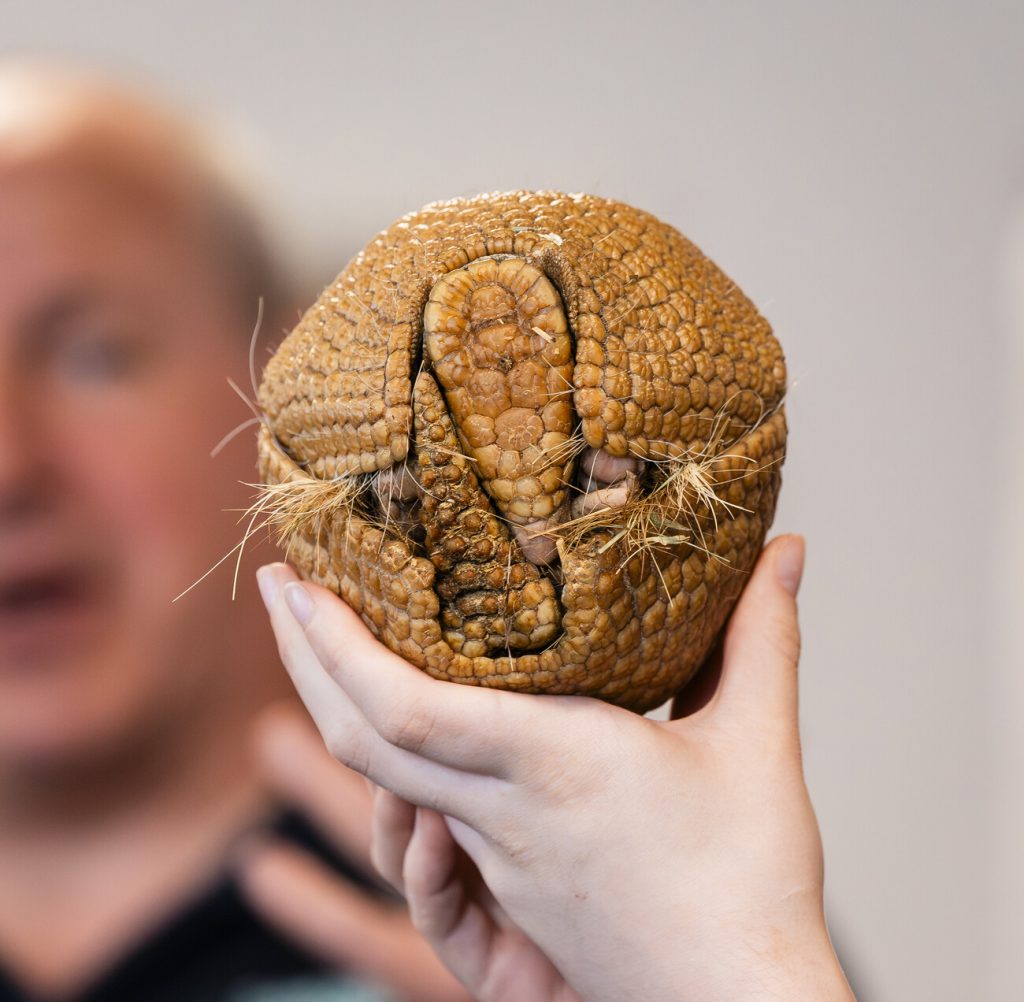
Photo: Spenser Hasak | Purchase this photo

Photo: Spenser Hasak | Purchase this photo

Photo: Spenser Hasak | Purchase this photo

Photo: Spenser Hasak | Purchase this photo
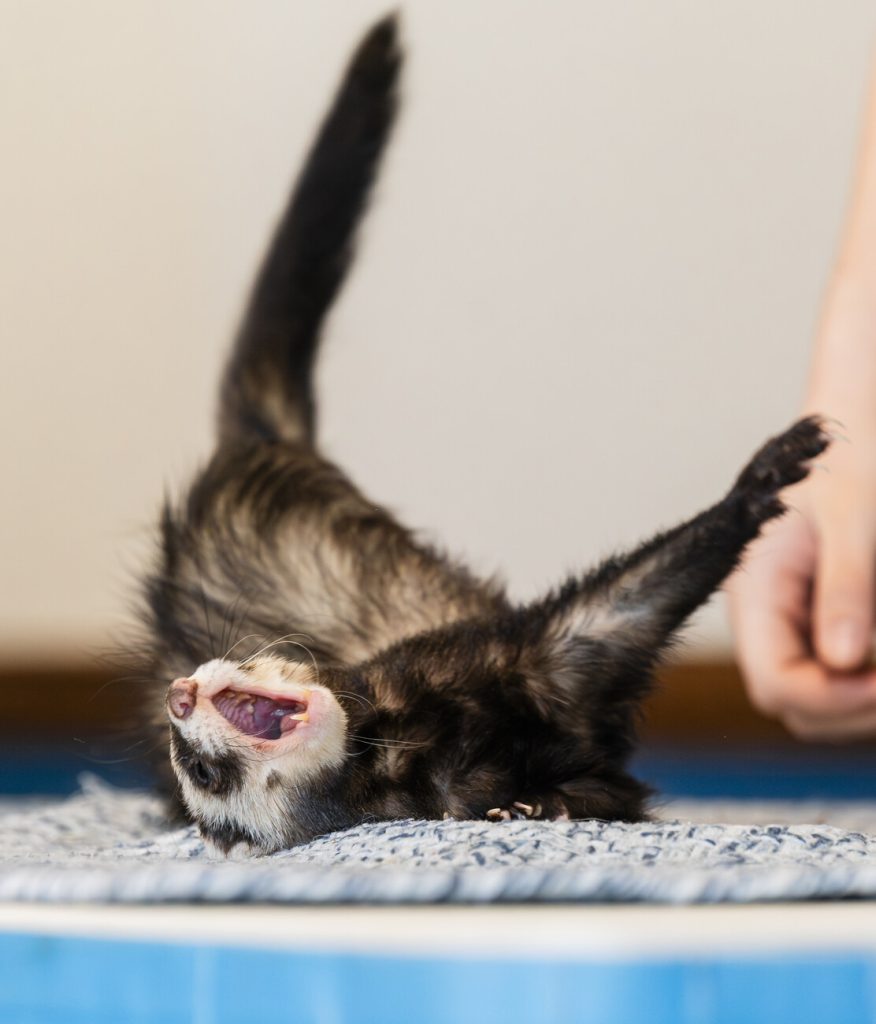
Photo: Spenser Hasak | Purchase this photo

Photo: Spenser Hasak | Purchase this photo

Photo: Spenser Hasak | Purchase this photo
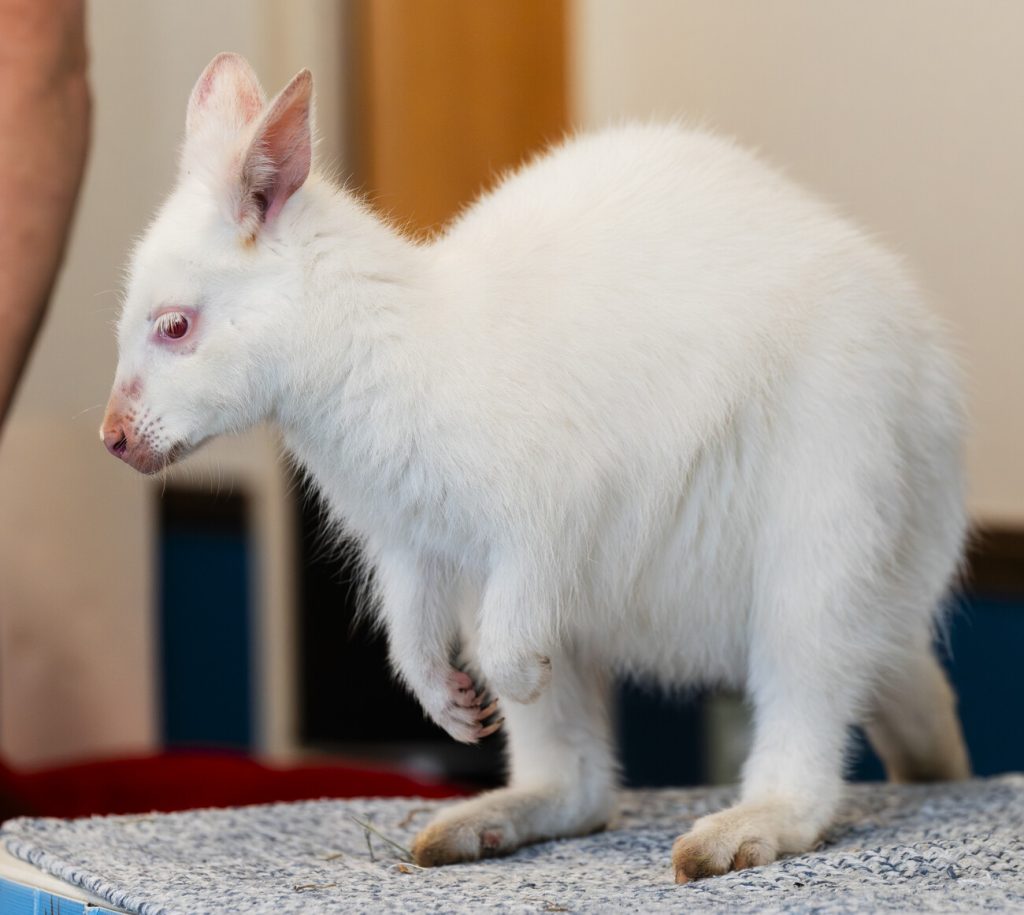
Photo: Spenser Hasak | Purchase this photo

Photo: Spenser Hasak | Purchase this photo
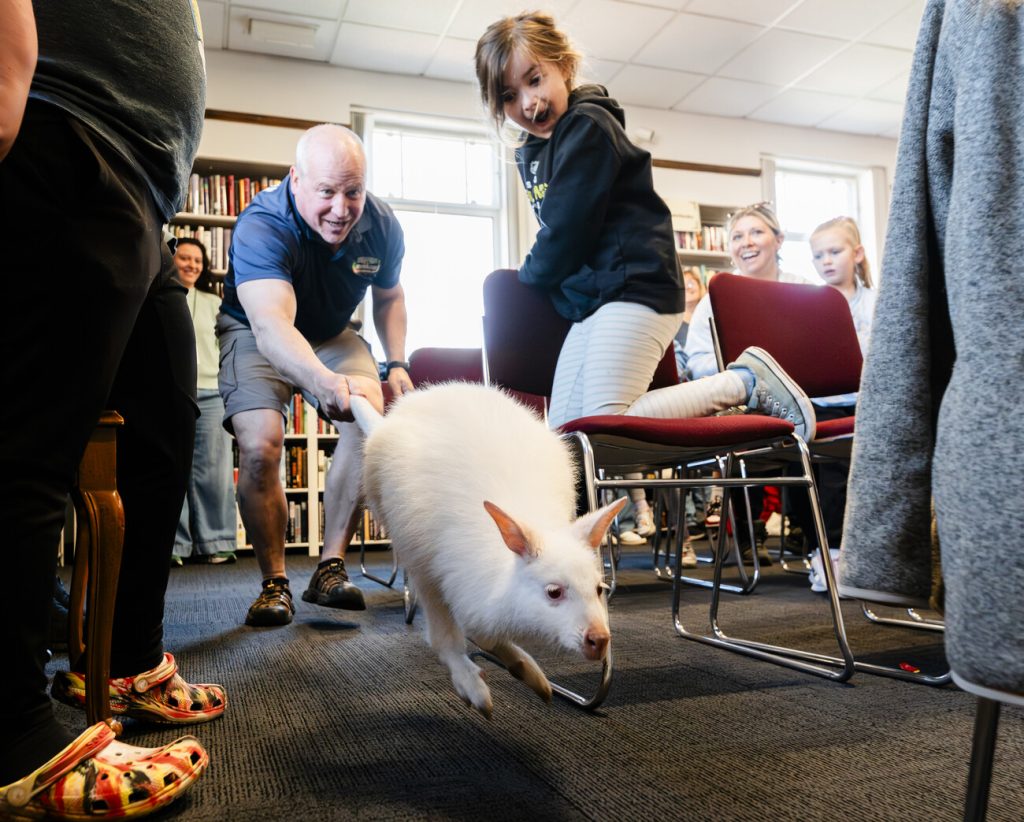
Photo: Spenser Hasak | Purchase this photo

Photo: Spenser Hasak | Purchase this photo

Photo: Spenser Hasak | Purchase this photo

Photo: Spenser Hasak | Purchase this photo

Photo: Spenser Hasak | Purchase this photo
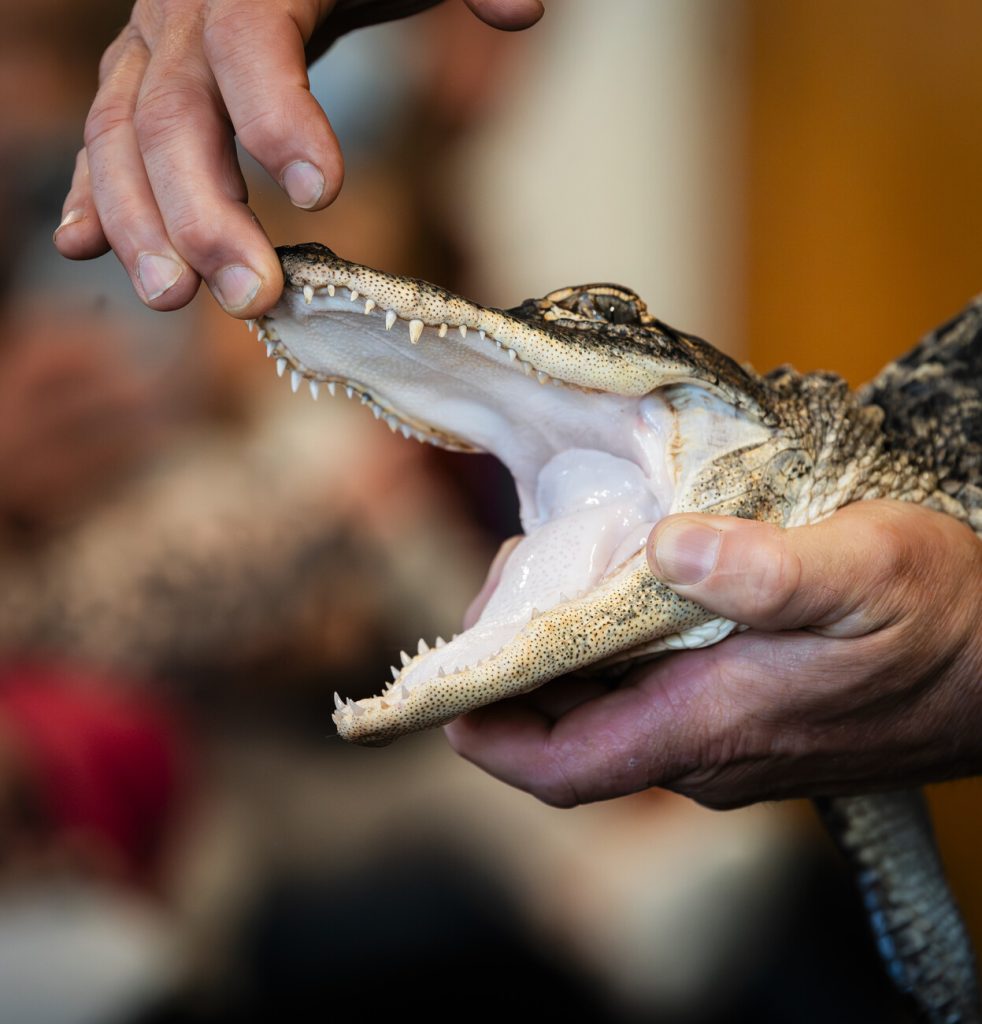
Photo: Spenser Hasak | Purchase this photo

Photo: Spenser Hasak | Purchase this photo

Photo: Spenser Hasak | Purchase this photo