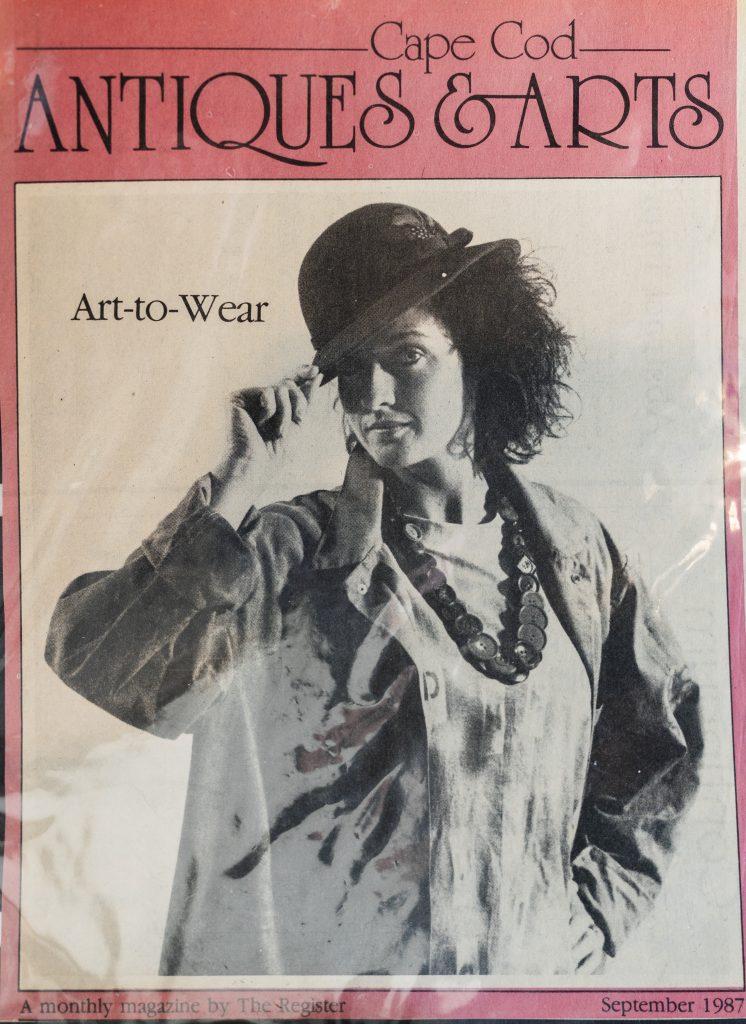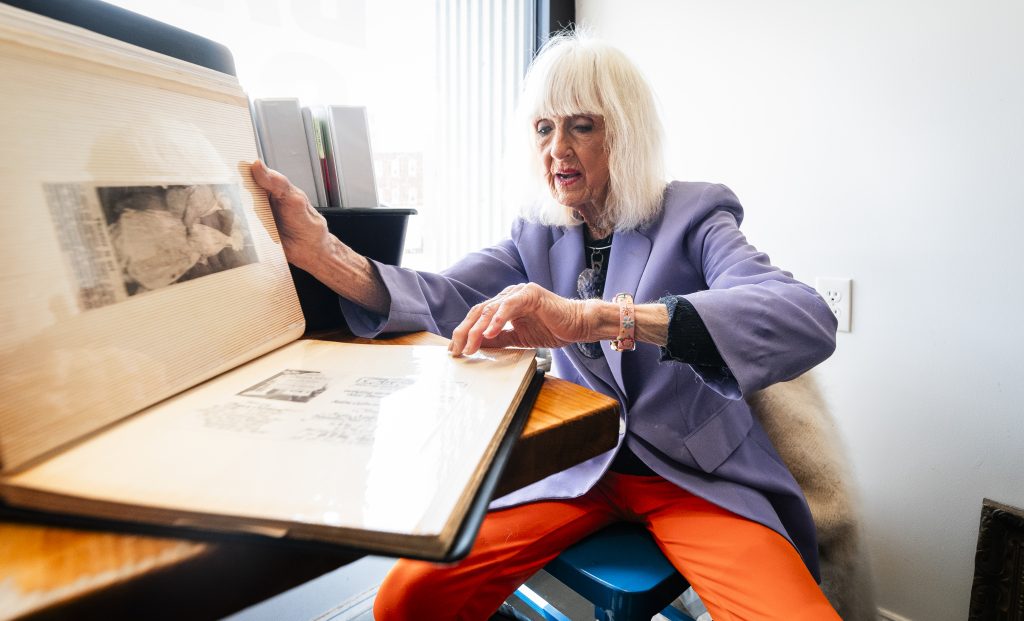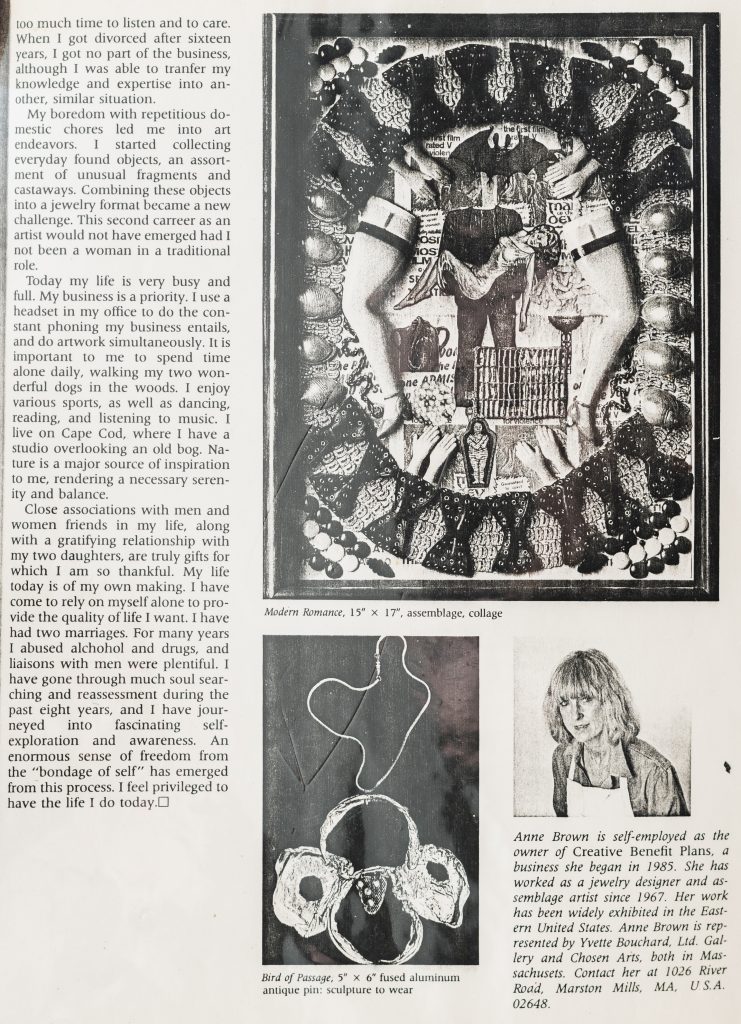
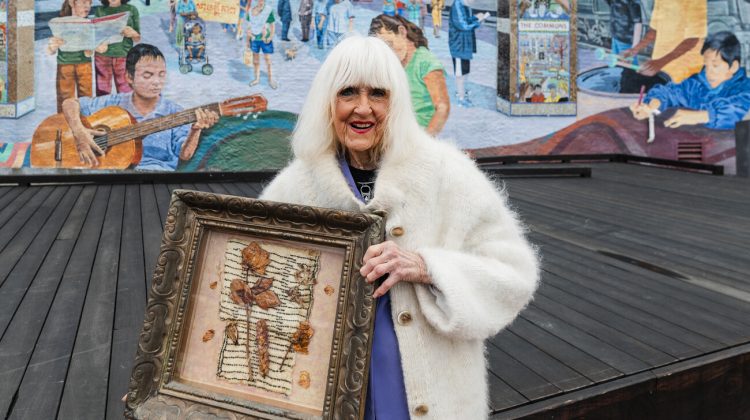
Marblehead native Anne Brown has built a life, and a body of work, defined by transformation. Her art does not begin in a studio or with pristine materials; it begins with materials found around us, whether that’s along the beaches, roadsides, in backyards, or in the woods, to name a few. Her work, which is raw, intricate, and deeply personal, exists somewhere between adornment and artifact, blurring the lines between jewelry, sculpture, and storytelling.
Brown’s journey into art wasn’t done by traditional pathways or shaped by formal training. In fact, Brown found herself resisting art. As a child, she recalls that during class, the teacher would place clay in front of the students and give them half an hour to create something with the material. Having no interest in it, Brown would refuse to touch the lump of clay placed in front of her and was later told she had ‘no creative ability.’ That early judgment lingered for years, quietly shaping her sense of self. As unpredictable as life can be, it would eventually guide her back to creativity, but not through instruction, but through instinct.
By the time she was 20, Brown was married and a mother of two. Sitting on the wharf with her then-husband, the two would spot a cat that Brown would eventually take home and care for. The only issue was that the cat would not eat. Figuring out that the cat was used to eating fresh fish, she would go to the local fish market to purchase fish to make sure the cat would be fed. These trips to the fish market and cooking up the fish would become the unlikely foundation of her artistic practice. While preparing meals, she found herself captivated by the delicate architecture of fish bones. Their fragility, paired with structural strength, intrigued her. What others would discard, she would begin to study and would start to transform.
Those fish bones would become her first materials. They were no longer remnants of a meal, but components of something entirely new, artwear necklaces that would challenge conventional ideas of beauty and value. Her creativity would not stop there; it would only expand. Brown would begin experimenting with other organic materials such as insects, dried bird feet, and even animals found along the roadside. Brown’s work was never about shock value; instead, it explored a deeper tension. In her hands, these materials became vessels for meaning. Her pieces invite the viewer to reconsider their relationship with nature and mortality.
A pivotal moment in her career came when she paid a visit to Paul Smith at the Museum of Contemporary Crafts in New York. Smith, a leading figure in the craft movement, recognized something in Brown’s unconventional approach. He would give her the advice to incorporate metals and to expand her material vocabulary. His advice was a combination of validation and direction, a turning point that helped her move from experimentation into a more defined artistic voice.
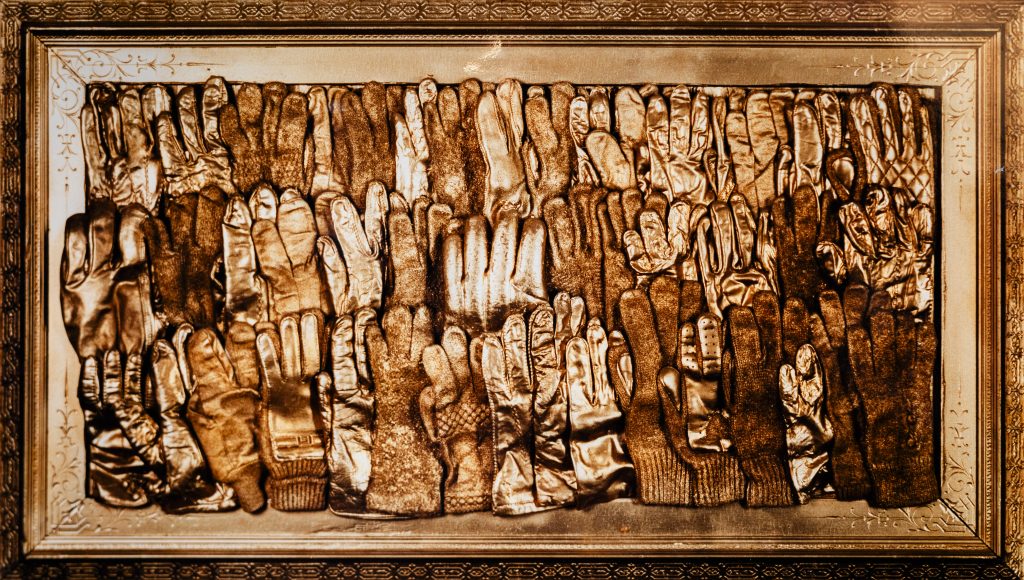
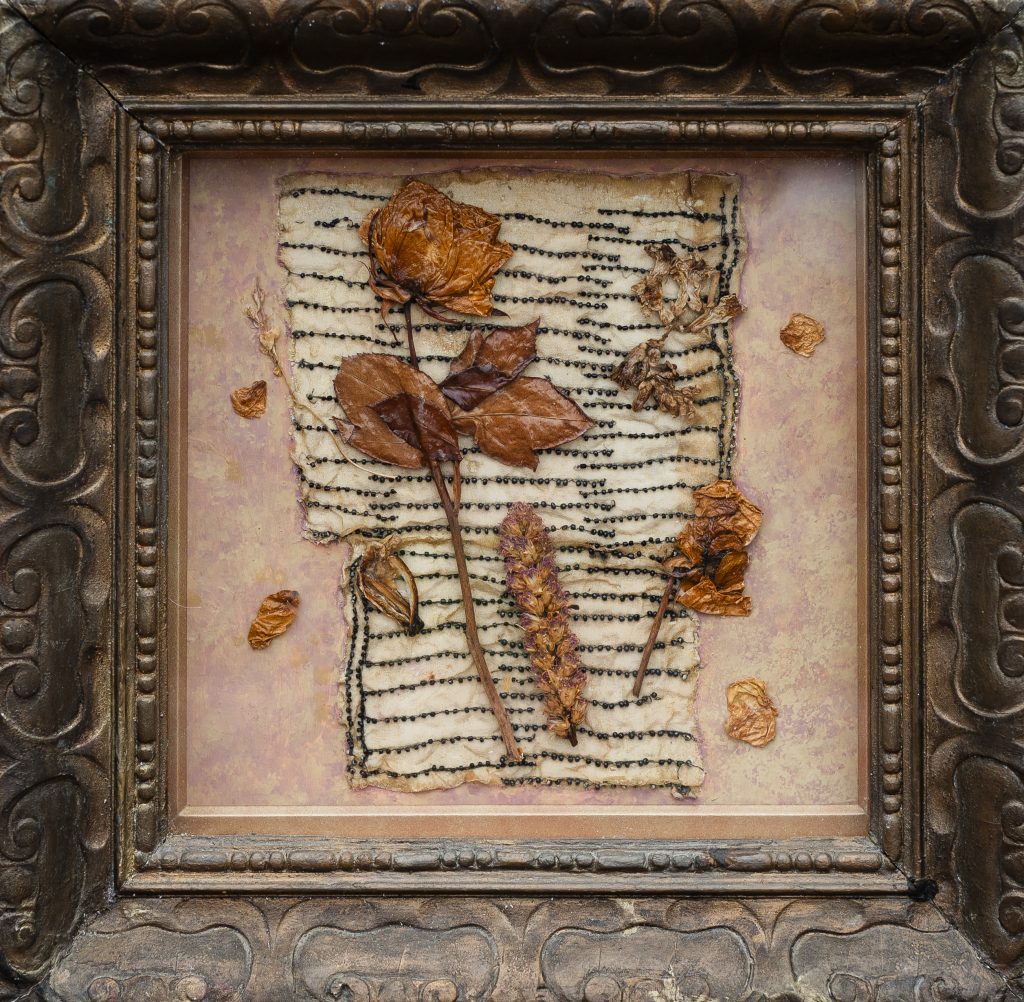
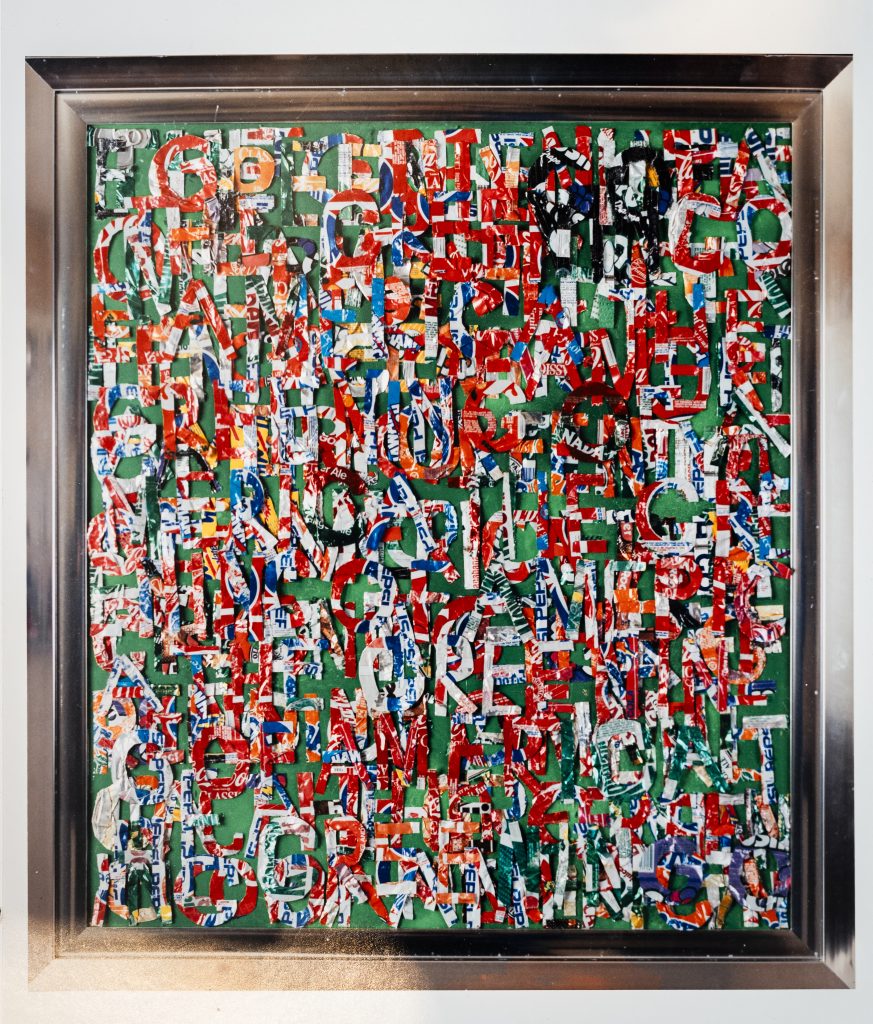
Throughout the 1970s, Brown became increasingly embedded in a growing creative community. She co-founded the collective “Seven at Large,” a group of female artists which also included photographer Olivia Parker. Together, they created the seminal show “Organic Visions, Seven at Large,” a groundbreaking installation at the Boston Museum of Science. Brown would continue to gain more recognition and be featured in exhibitions such as “American Images I & II” at the Goethe Institute between 1974-76 in Boston, and in 1981, her work was chosen as one of ten contemporary jewelry artists presented at the “International Collectors Seminar” at the Cooper Hewitt Museum of Design in New York City. Each opportunity affirmed what Brown already knew: her work didn’t need to fit within traditional boundaries to matter.
Her 1988 solo exhibition, “Natural Selection,” at the Cape Cod Museum of Natural History was described as a provocative exploration of nature’s raw beauty, emphasizing transformation, how familiar objects could be reimagined into something entirely unexpected. Many of the works carried a totemic quality, evoking ritual objects or relics from an unknown past.
At the same time, Brown used her art to challenge societal norms, particularly around gender. In her “Life Cycle” series, she embedded personal and political symbols into wearable forms. One piece, “Maturity,” is a necklace featuring dollhouse-like miniatures such as a baby carriage, a house, a car, and alongside these items was her own IUD. Symbols of societal expectations placed on women. A quiet but powerful statement about autonomy and control.
Brown’s process is rarely linear. Sometimes a piece begins with a concept or a title. Other times, it emerges from a chance, a combination of materials that suddenly feels right. Brown describes herself not as a creator, but as a channel, someone who allows the work to come through her rather than force it into existence.
“I don’t think of anything,” she said. “It just comes through.”
Despite decades of exhibitions, collaborations, and recognition, Brown’s relationship with art remains grounded in something far simpler: necessity. She describes it as a form of survival. Without it, she says, she feels disconnected. With it, she enters another state entirely. A space where intuition replaces logic, and creation becomes less about control and more about listening.
Over the years, her career has spanned far beyond the art world. She has worked in business and finance, been involved in music, and helped organize major cultural initiatives, including the Salem Arts Association. Even after all these years, her work is more timely than ever. In a world that continues to be shaped by the artificial and turning to the digital, her art returns viewers to something elemental. Reminding viewers that nature is not separate from us, that its forms, however strange or unsettling, are already part of who we are.
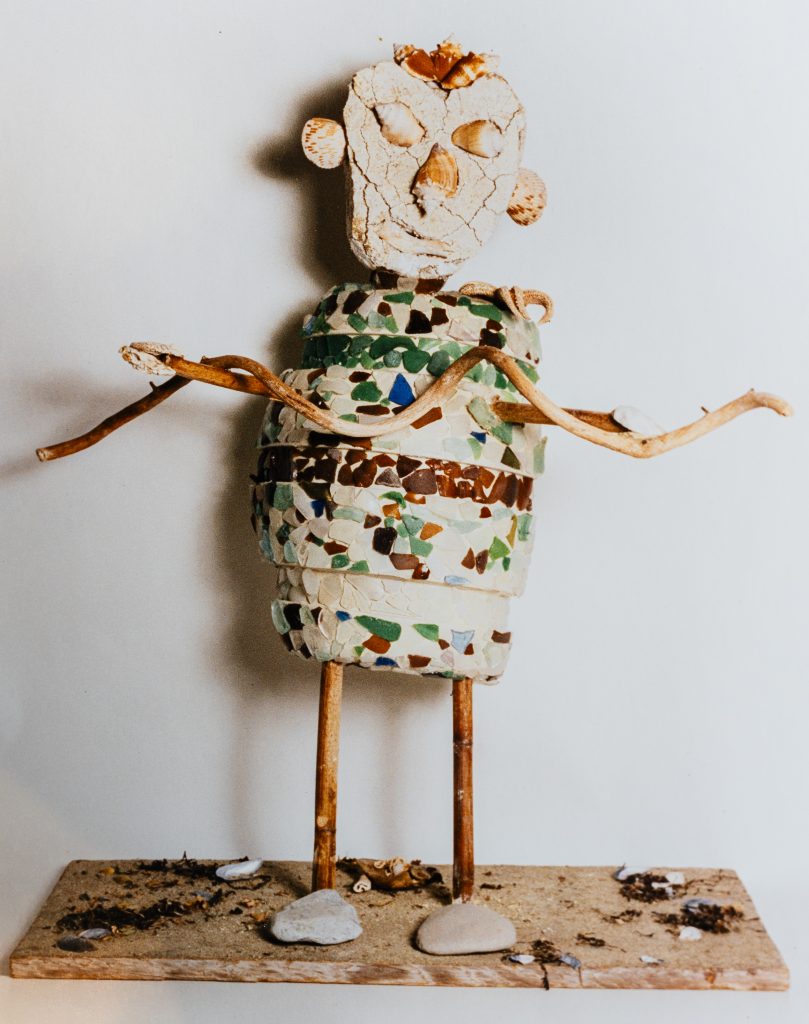
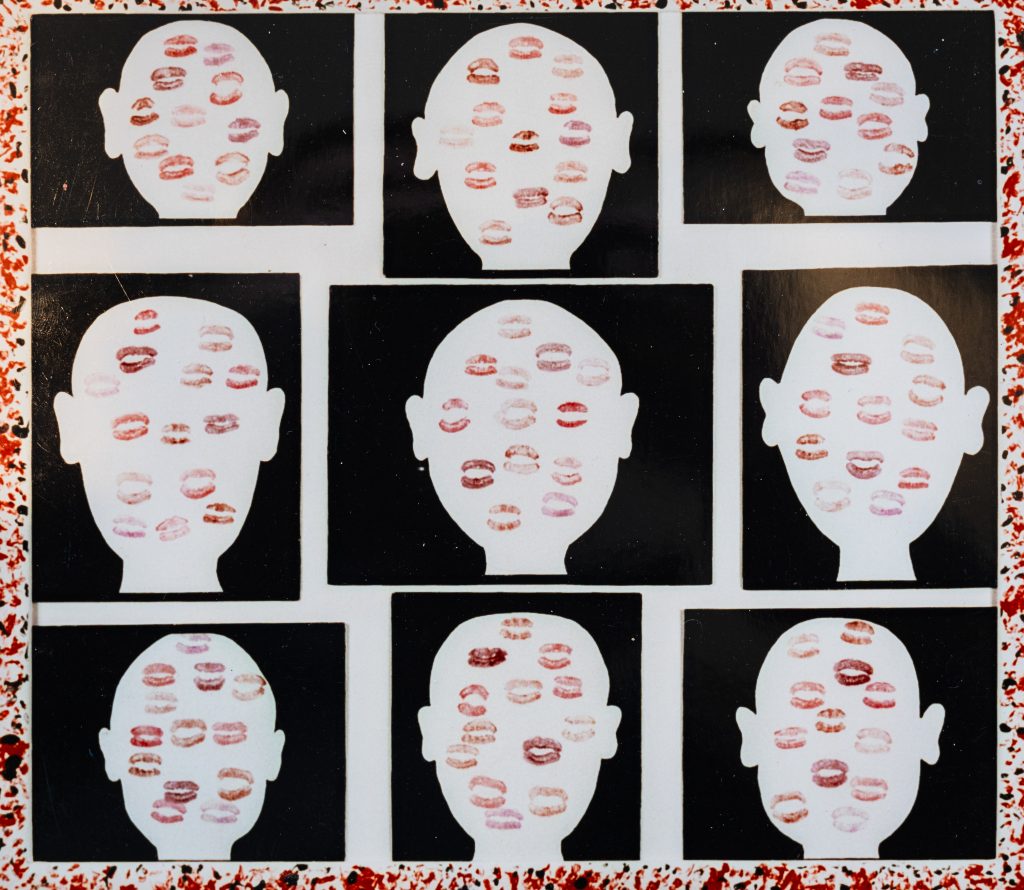
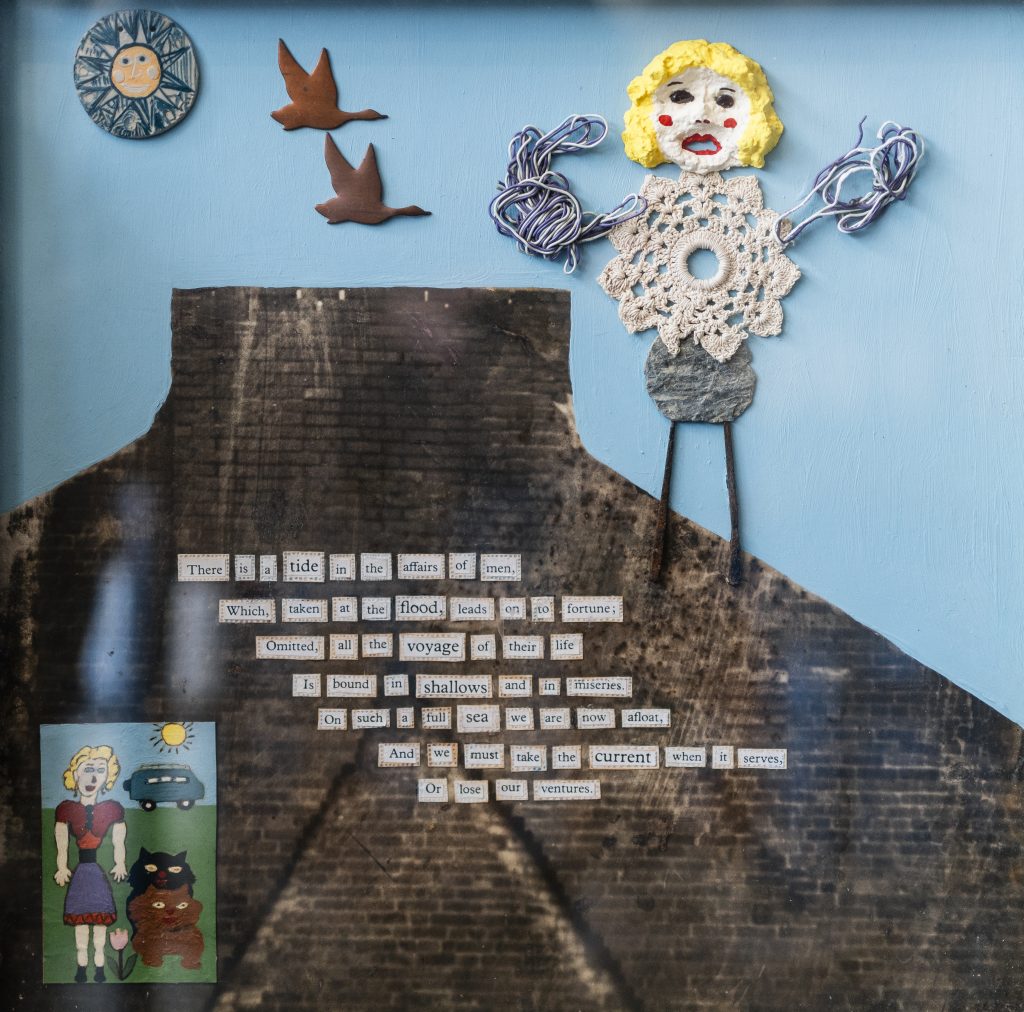
“I go directly to nature,” she said. “To break down the barriers of separation.”
At 84 years old, Brown is still creating and being featured in galleries around the nation. In 2024, her work was featured in Miami Art Week, and just this year, through Arts Sales & Research, the gallery that represents her, Brown’s work would be on display at the 34th Outsider Art Fair based in New York, a fair that is dedicated to self-taught art, art brut, and outsider art. The New York Times would go on to say, “The unhinged genius of Anne Brown may be the high point of the fair.”
Whether working with driftwood, bone, metal, or discarded fragments of everyday life, Brown creates pieces that ask us to look closer and to reconsider what we value, what we overlook, and what we might discover if we allow ourselves to see differently. In Brown’s world, nothing is truly wasted. Everything has the potential to become something more. If it’s transforming fish bones into necklaces or layering discarded objects into large-scale assemblages, Brown continues to challenge what art can be and where it can come from.
“You’re just going through life, and at my age, all of a sudden, you look back and go, ‘that was a lot. How the hell did I ever do that?’ At least it makes you feel like your life has been somewhat worthwhile,” she said. “It’s just a sense of fulfillment and purpose. You don’t think about it when you’re doing it in the moment.”
Art Sales & Research is planning a future retrospective of Brown’s career. Since Brown sold many pieces on the Northshore between the 1960s and 1980s, the organization asks anyone in possession of her work to reach out. The goal is to include the work in their catalog. Contact Art Sales & Research through their website at artsalesandresearch.com or by email at [email protected].