
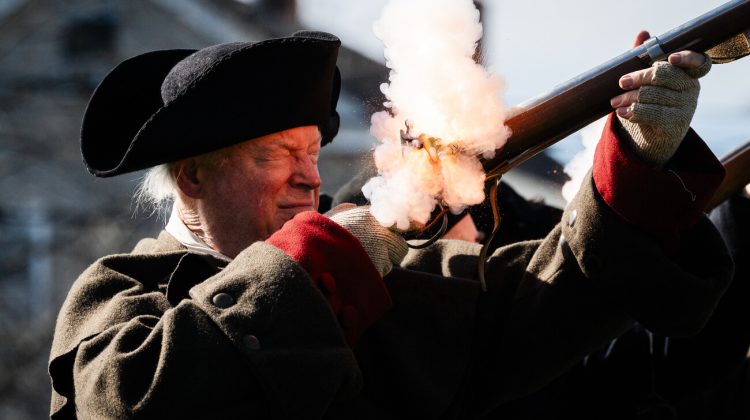
PEABODY — The sharp crack of muskets echoed across three historic sites Monday morning as residents, veterans, and reenactors moved through the city to mark Patriots Day, retracing the legacy of the local men who marched into battle 251 years ago.
The events of April 19, 1775, have shaped a large part of Peabody’s history. After receiving word that British troops had marched on Lexington and Concord, men from what was then Danvers and is now partly Peabody, mobilized quickly. They marched roughly 17 miles to join the fighting, encountering British troops retreating on their way. They were engaged in one of the bloodiest clashes of the day in Menotomy, now Arlington, where seven were killed — one of the highest casualty totals of any community involved.
Peabody honors those fallen soldiers each year, with this year’s program beginning at the Jacobs Family Cemetery, continuing to the Old South Burial Ground, and ending at the Lexington Monument. Members of the Danvers Alarm List Company led the way in period clothing, firing ceremonial rounds at each stop.
At the Jacobs Family Cemetery, attendees gathered to honor Henry Jacobs Jr., one of seven Danvers men killed on April 19, 1775, and his younger brother John, who survived the fighting and went on to serve in additional battles throughout the Revolutionary War.
“We’re here to honor Henry Jacobs and John Jacobs with a new stone this year,” said Kevin Vinagro, the president of the Peabody Historical Society. “A great team effort by the city, the historical society, the historical commission … a lot of hard work, a lot of team work.”
This year’s ceremony included the dedication of that new stone recognizing John Jacobs’ service. Mayor Ted Bettencourt called the moment an important opportunity for the community to come together and recognize its past.
“Patriots Day is a very special moment for our community, for our state, and for our nation,” Bettencourt said. “To have a moment where we come together, I think it’s very important and very well-deserved … to take a moment to celebrate and recognize some true heroes in our community.”
Members of the Peabody Veterans Memorial High School JROTC served as a color guard, while reenactors marched down the wooded path to the beat of a drum before raising their muskets in a coordinated volley.
The shots, fired as a tribute to the fallen, punctuated the ceremony and were a recurring moment throughout the morning’s remembrances.
Participants then moved to the Old South Burial Ground, where wreaths were placed at the gravestones of four soldiers from the area who were killed during that early Revolutionary battle: Ebenezer Goldwaite, George Southwick, Samuel Cook, and Benjamin Daland.
The final stop at the Lexington monument brought the largest gathering of the morning, with a section of Washington Street closed off to accommodate the ceremony. Officials, veterans, and historical representatives offered remarks reflecting on the sacrifice of the men who answered the alarm in 1775.
State Representative Sally Kerans said in her remarks that she valued that reflective and solemn tone with which the community had approached the day, seeing it as a fitting way to remember the service of those young men.
“The sacrifices of these seven very young men … having an idea and some fear, they went,” Kerans said. “And so I very much appreciate … the gravity of this day, the solemnity with which we march, and the sacrifices of these seven very young men.”
Matthew Mees, a reenactor with the Danvers Alarm List Company, spoke as a chaplain who traveled with the soldiers, reminding the crowd of the recurring commitment to the ideals for which those revolutionary heroes fought.
“We are here to remember the fallen of April 1775… to commemorate them and their sacrifice,” Mees said. “This nation, which we have fresh from their falling hands, is now ours to nurture and maintain, making their love of the land and their community ours, continuing the struggle for sovereignty and liberty… ours to pass down to all Americans.”
The ceremony at the Lexington monument closed with Vinagro reading from a speech delivered at the site’s original dedication in 1835 by Capt. Gideon Foster, a Revolutionary War veteran who had fought in the conflict being remembered.
“Friends and fellow citizens… more than 60 years have passed since it was my fortune to meet in this place… to defend the rights and liberties of my country,” the passage began.
The speech went on to honor those who fell, describing men who “hastened to the field… their hearts glowing with zeal in their country’s cause, and ready to offer their lives on the altar of their liberties.”
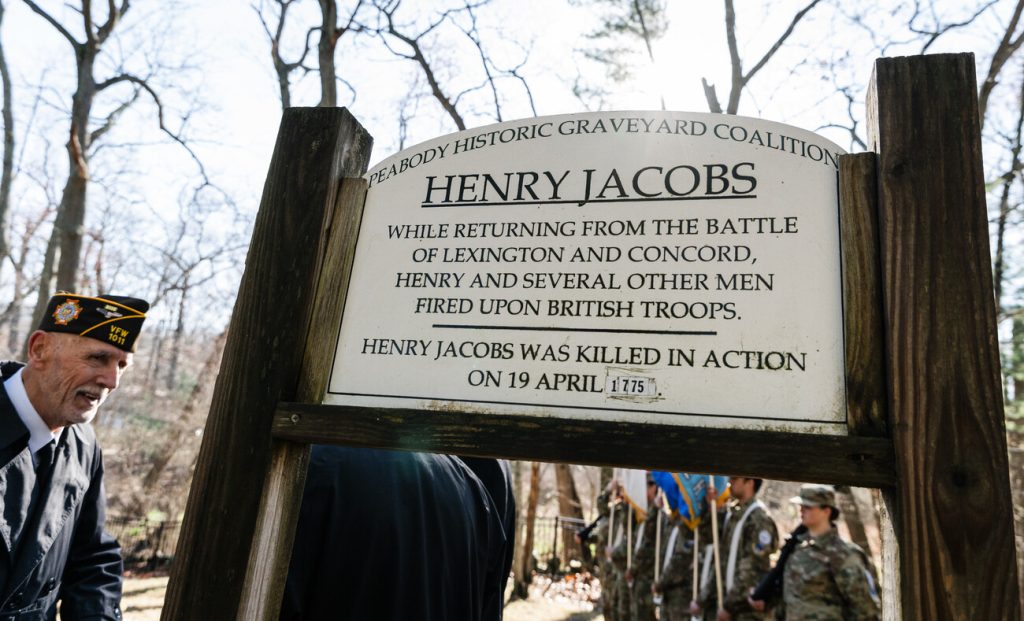
Photo: Spenser Hasak | Purchase this photo
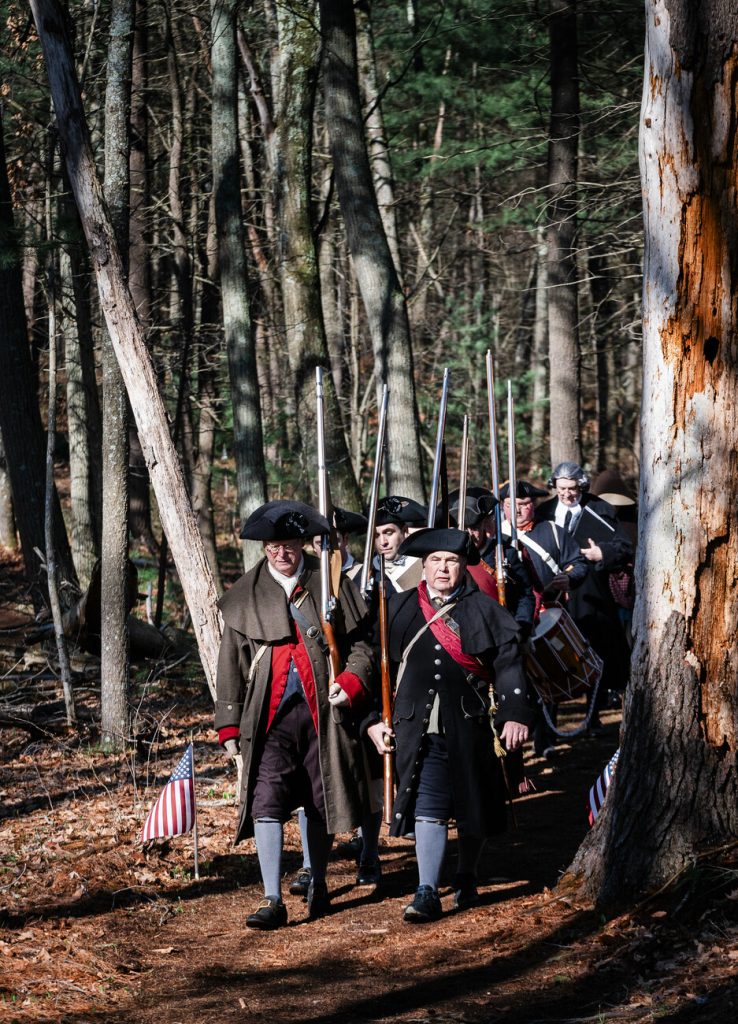
Photo: Spenser Hasak | Purchase this photo

Photo: Spenser Hasak | Purchase this photo
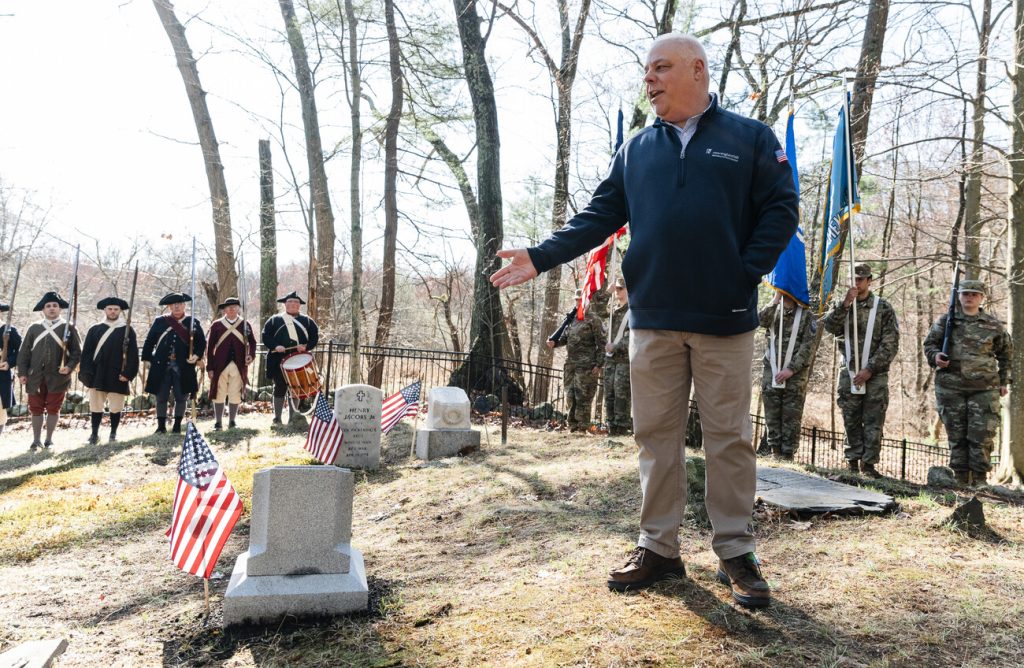
Photo: Spenser Hasak | Purchase this photo
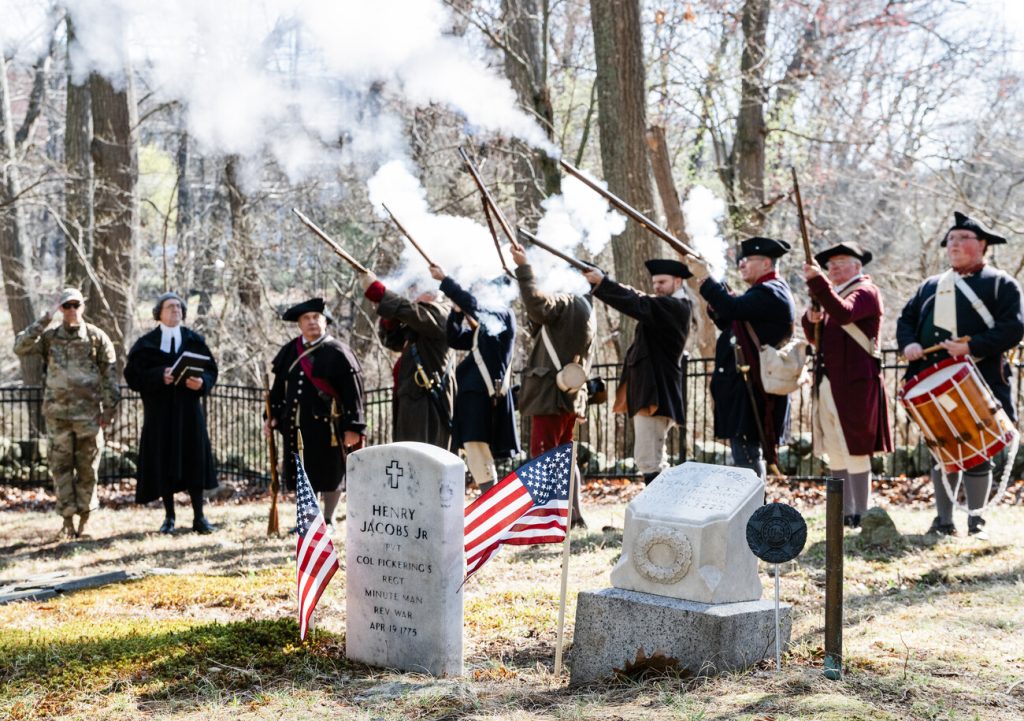
Photo: Spenser Hasak | Purchase this photo
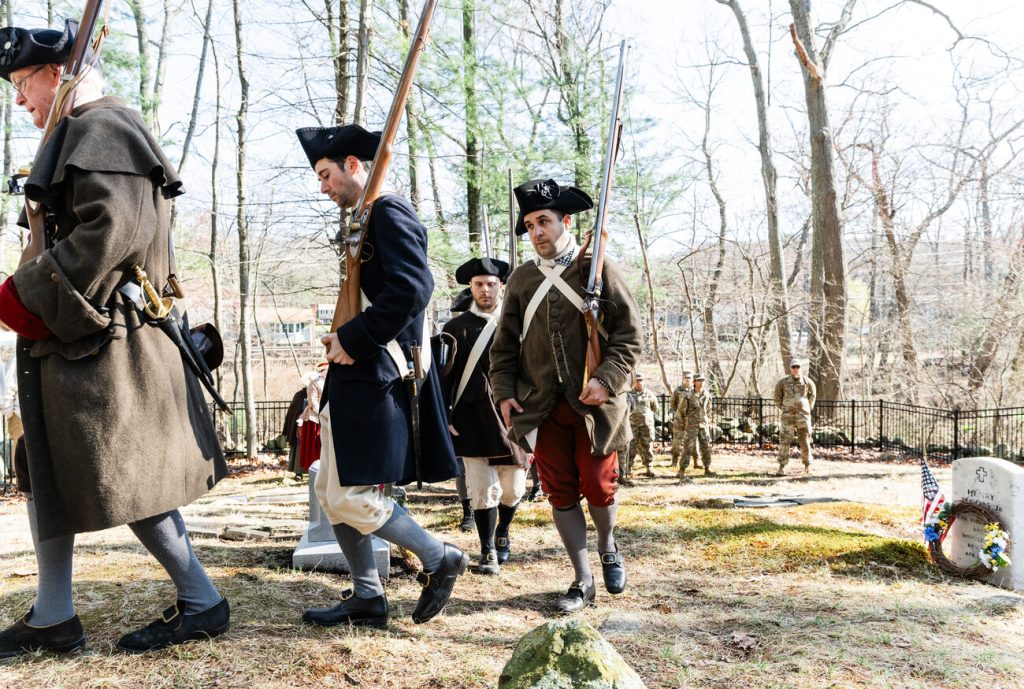
Photo: Spenser Hasak | Purchase this photo
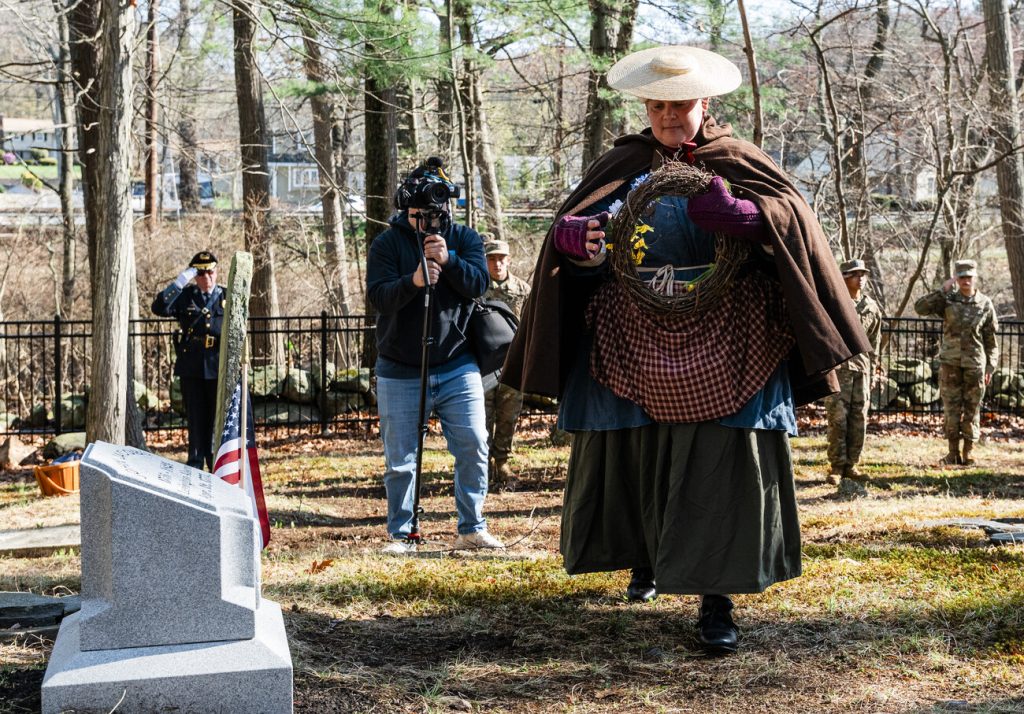
Photo: Spenser Hasak | Purchase this photo
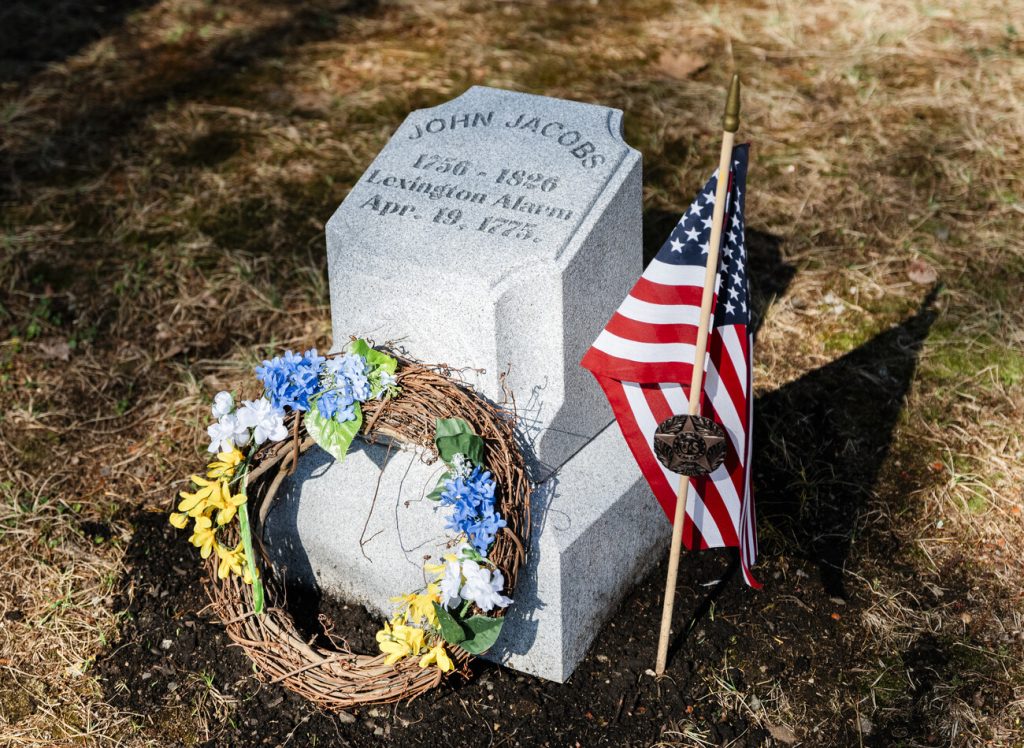
Photo: Spenser Hasak | Purchase this photo
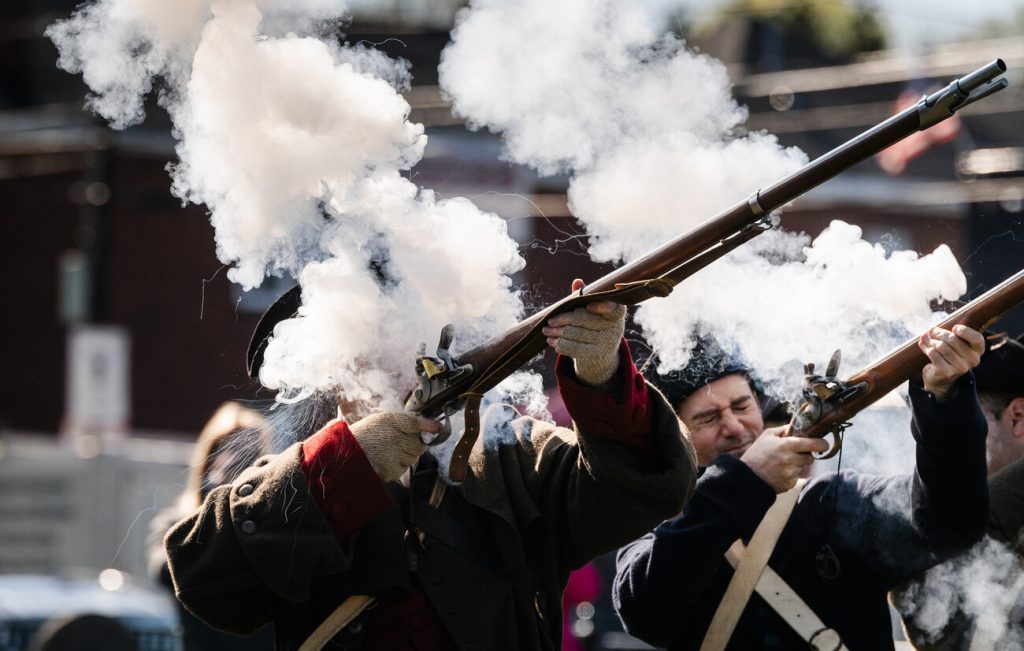
Photo: Spenser Hasak | Purchase this photo
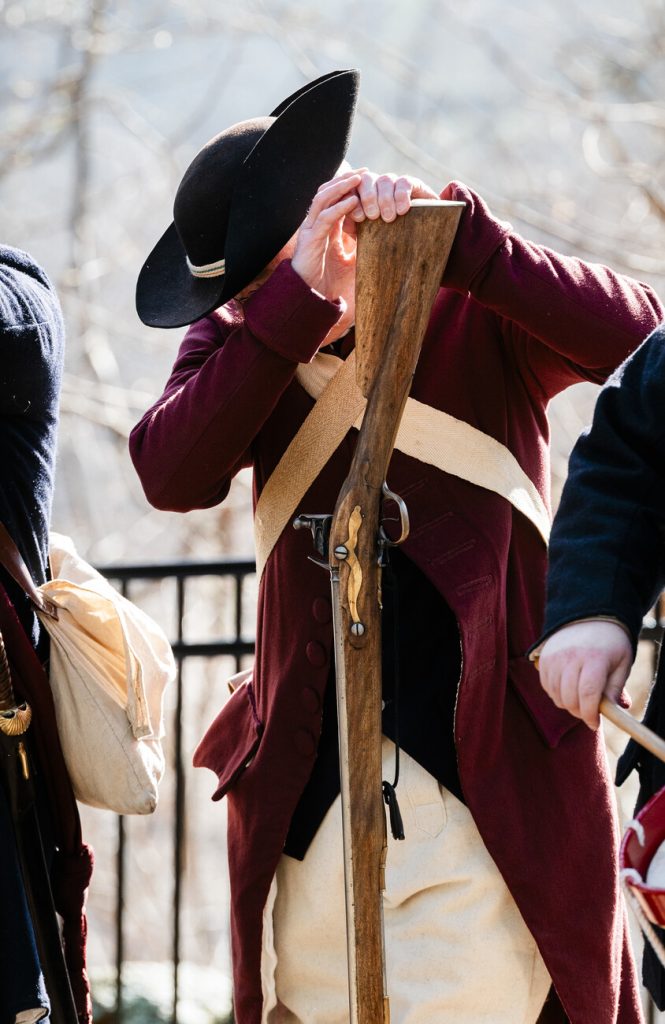
Photo: Spenser Hasak | Purchase this photo
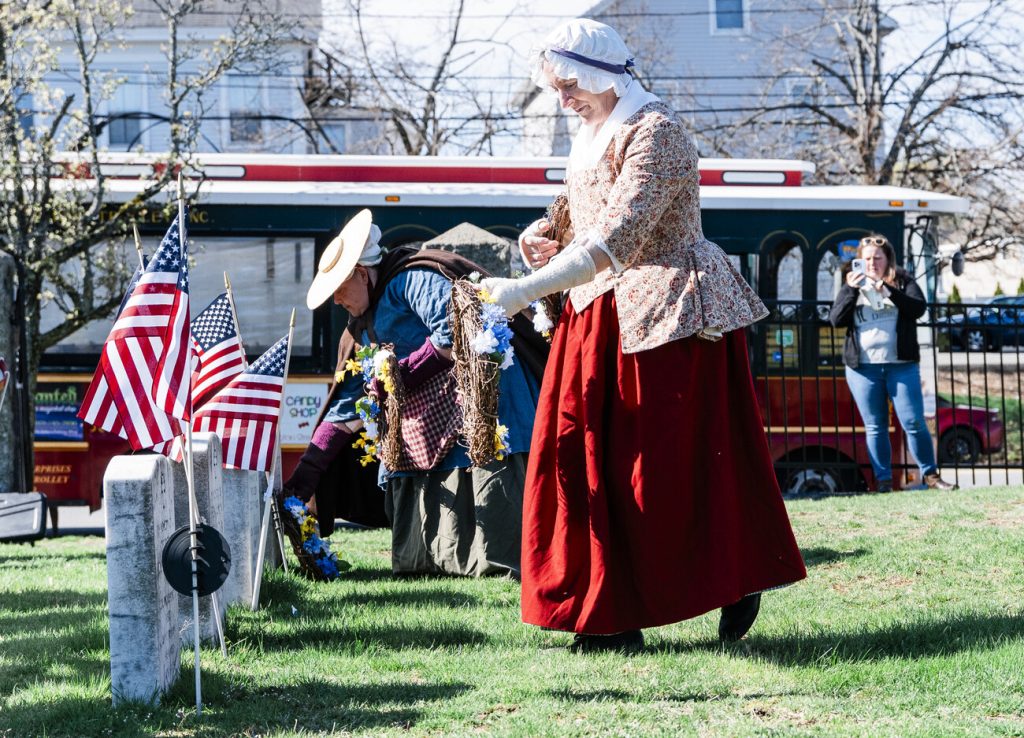
Photo: Spenser Hasak | Purchase this photo
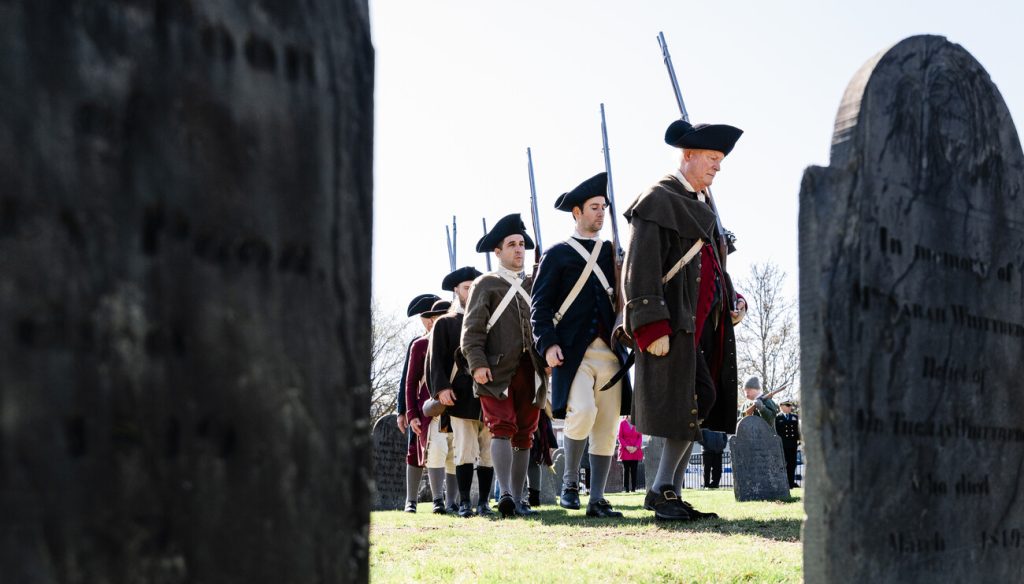
Photo: Spenser Hasak | Purchase this photo
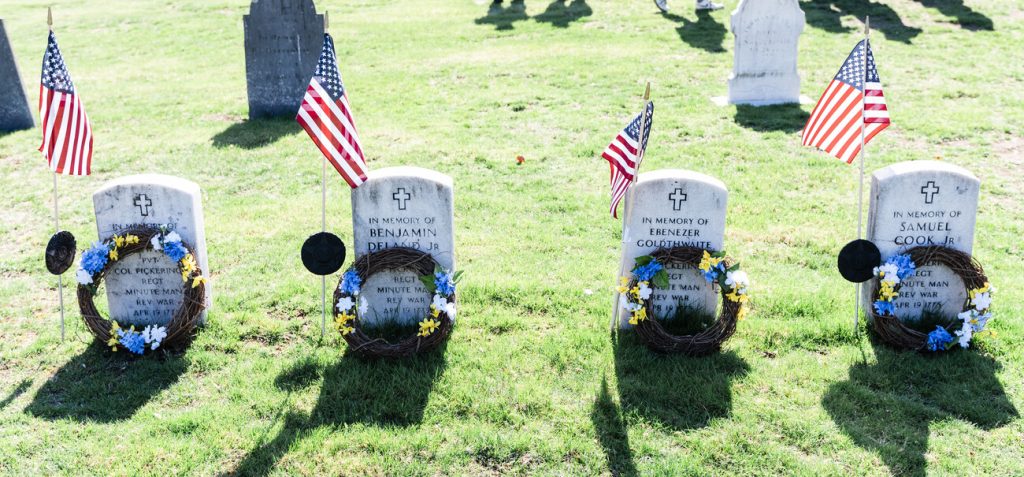
Photo: Spenser Hasak | Purchase this photo
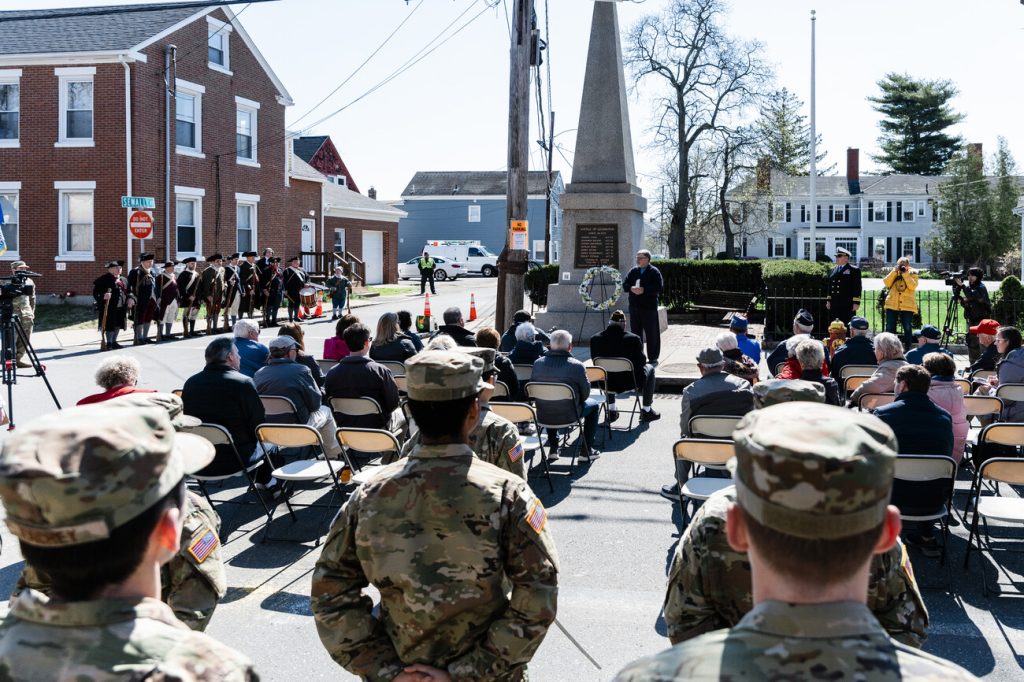
Photo: Spenser Hasak | Purchase this photo
Photo: Spenser Hasak | Purchase this photo
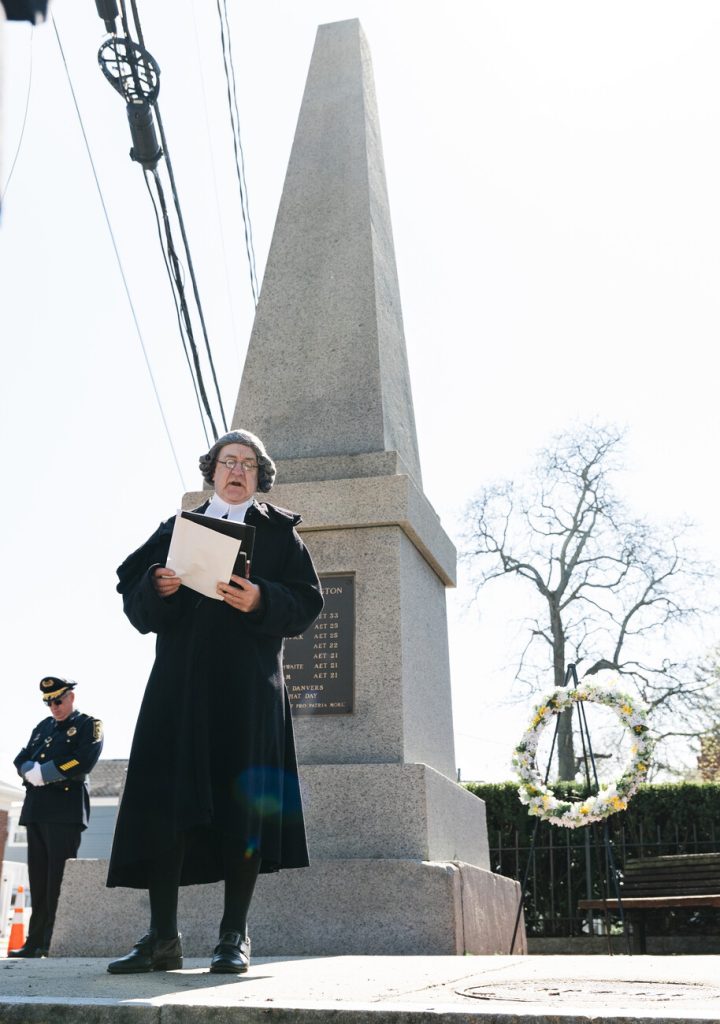
Photo: Spenser Hasak | Purchase this photo
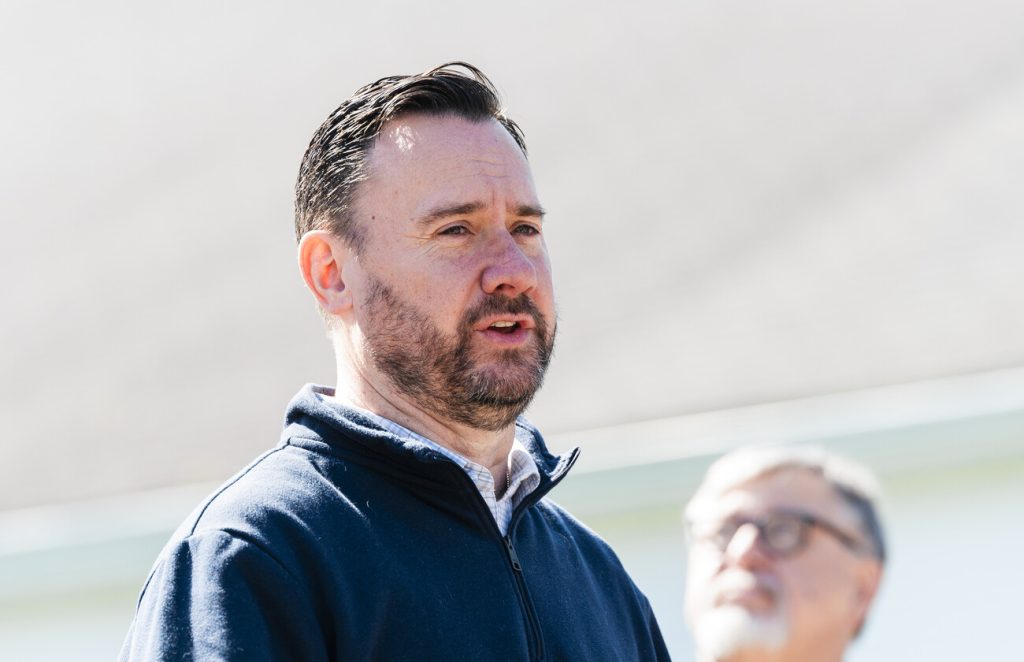
Photo: Spenser Hasak | Purchase this photo
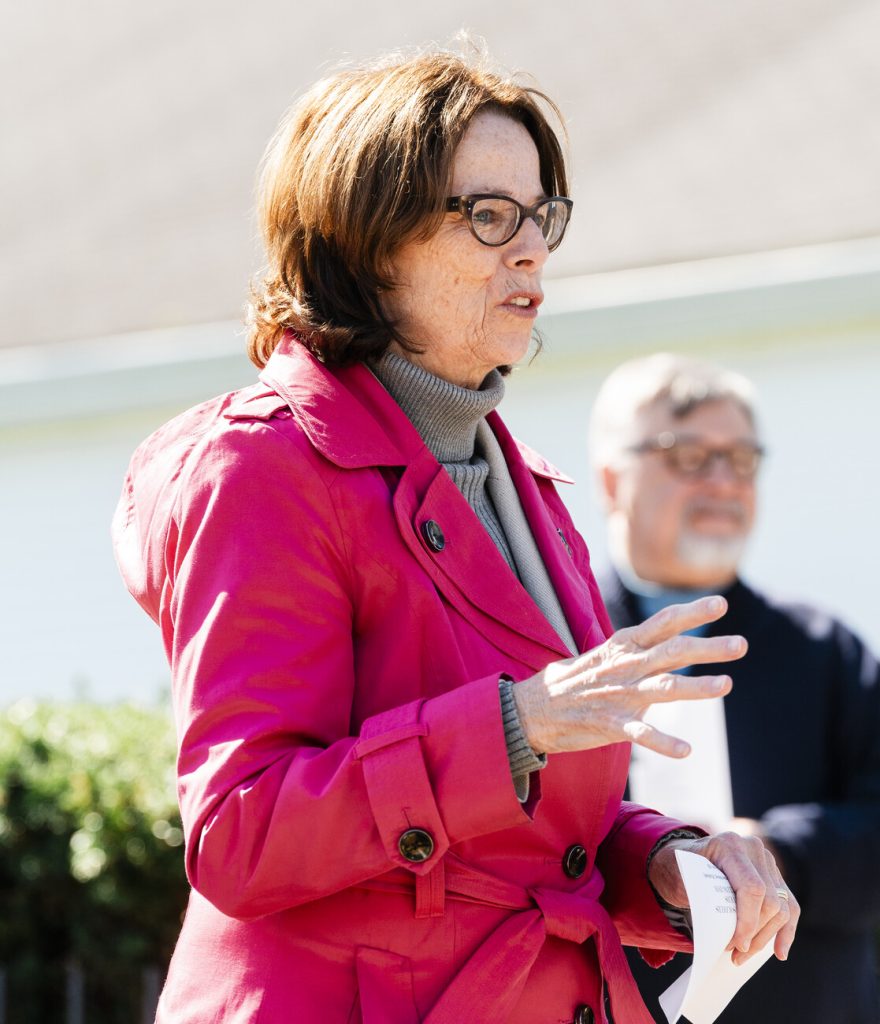
Photo: Spenser Hasak | Purchase this photo
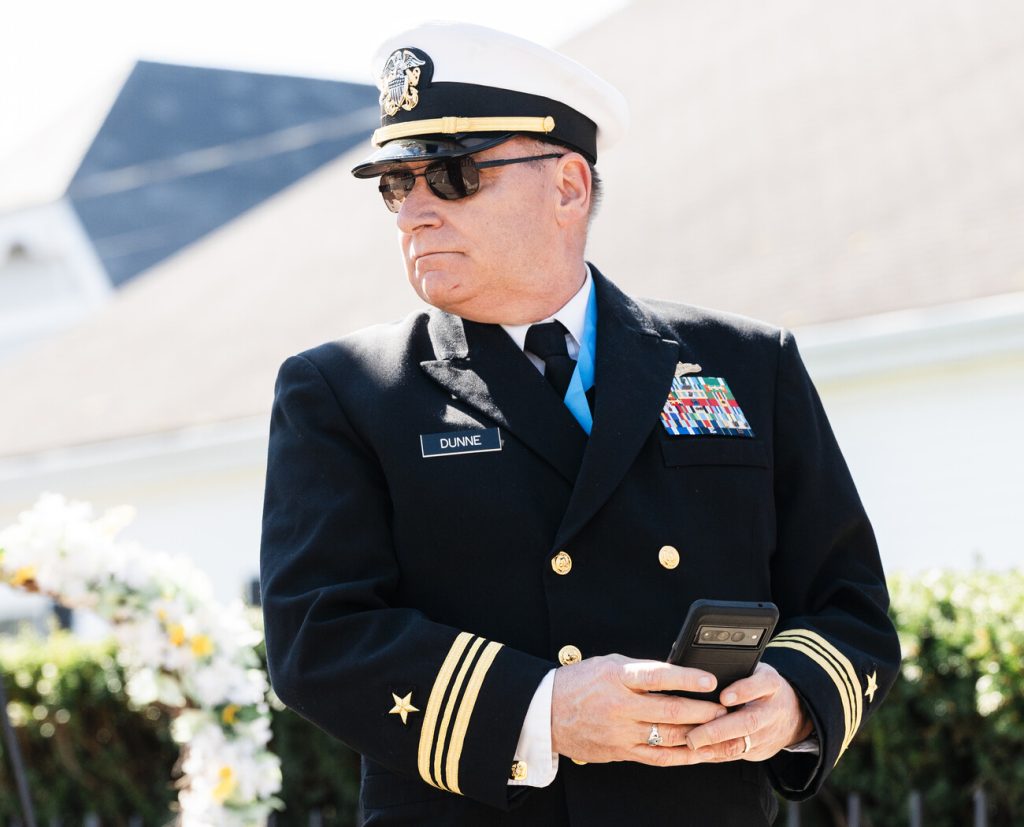
Photo: Spenser Hasak | Purchase this photo
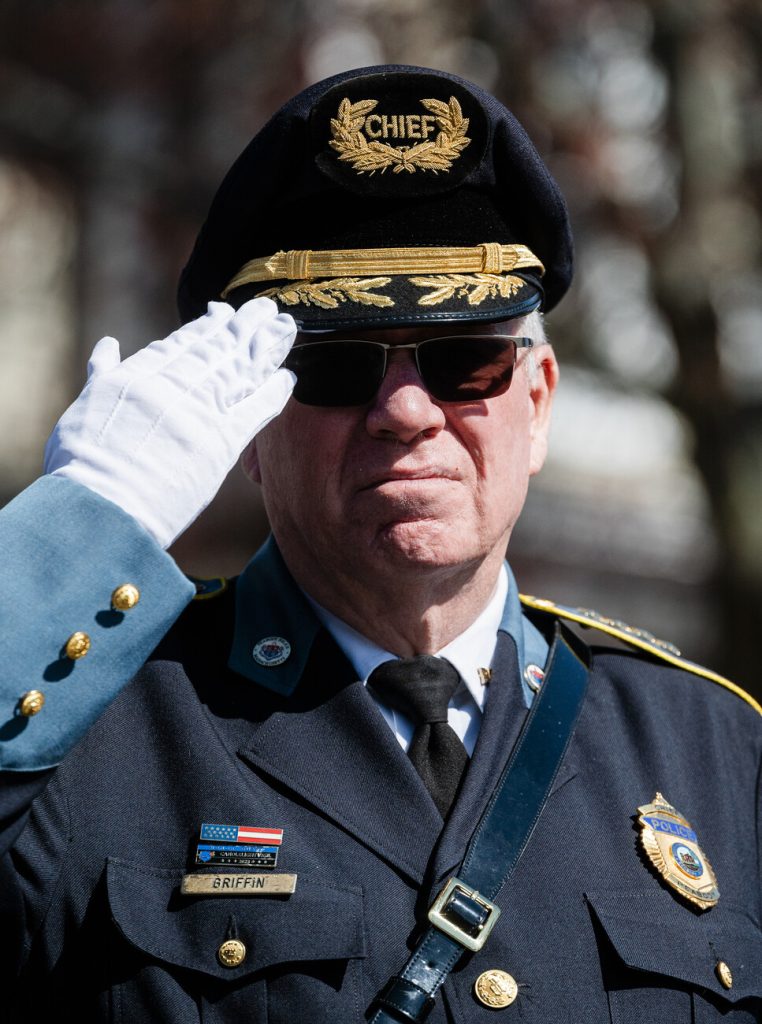
Photo: Spenser Hasak | Purchase this photo
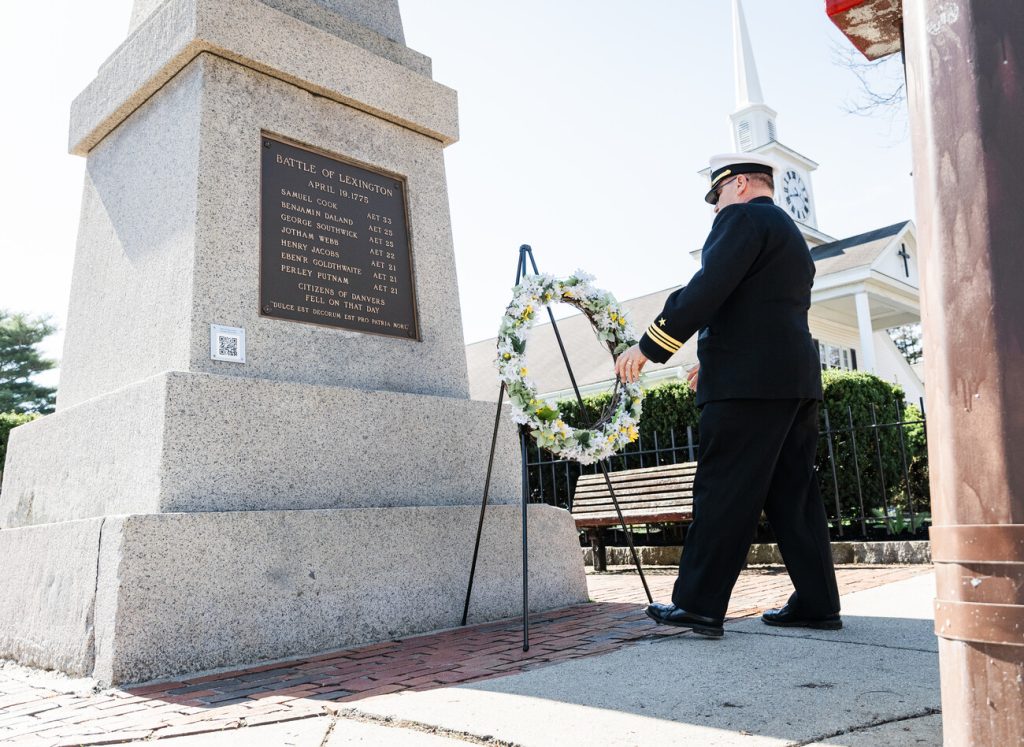
Photo: Spenser Hasak | Purchase this photo
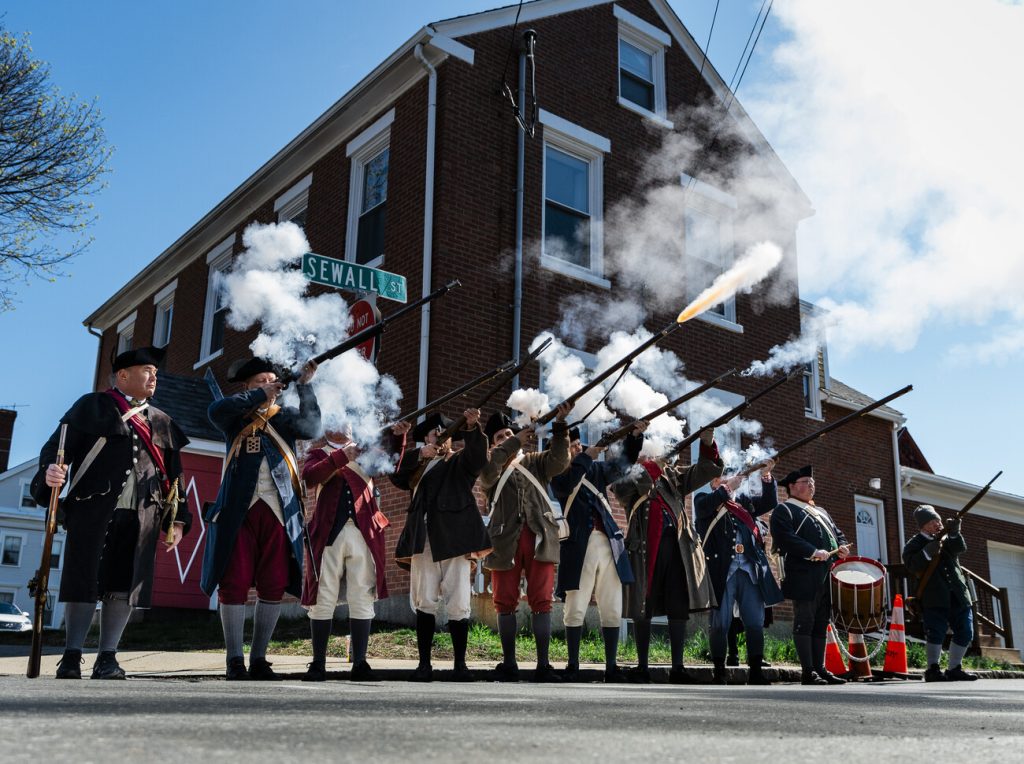
Photo: Spenser Hasak | Purchase this photo
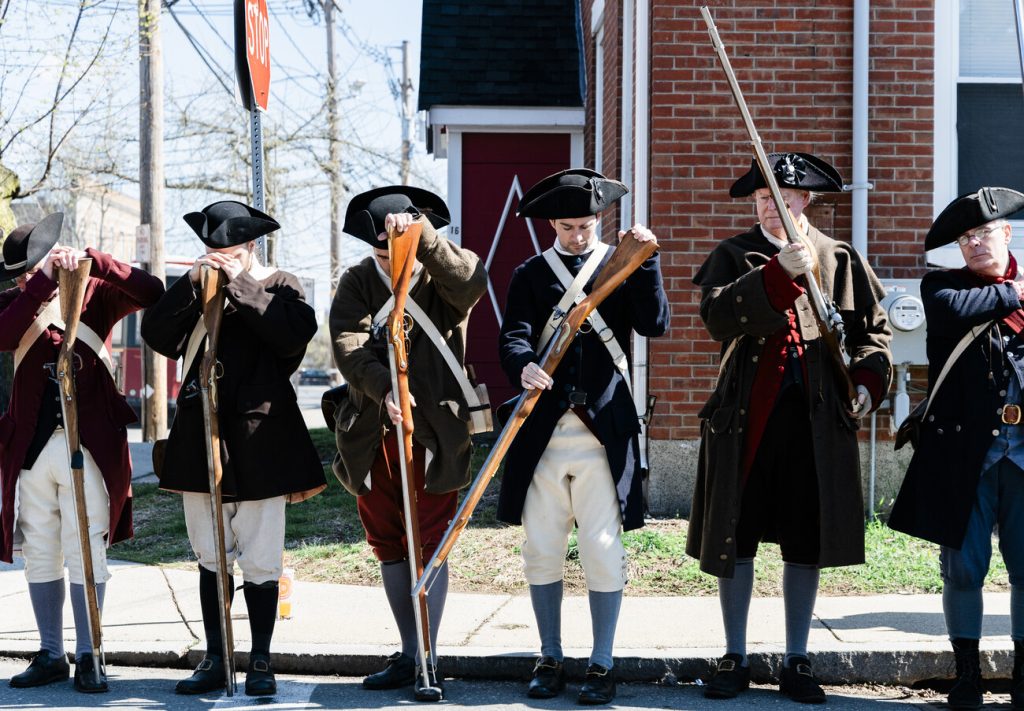
Photo: Spenser Hasak | Purchase this photo
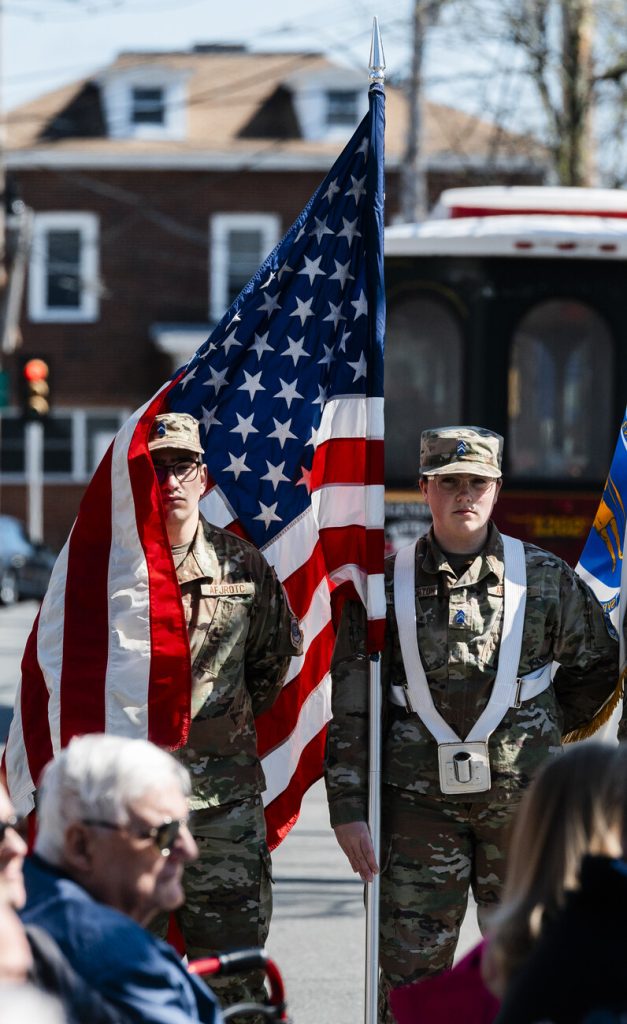
Photo: Spenser Hasak | Purchase this photo