NAHANT — The School Committee approved $140,058.20 in funding on June 9, covering tuition, special education services, cafeteria vendors, and transportation costs.
While the $140,058.20 funds went to various line items, the committee voted a single time to approve the total amount.
Superintendent Rob Liebow said the expenses are “nothing terribly unusual.” Portions of the approved funding went to the Town of Swampscott for out-of-district tuition payments.
Students living in Nahant in grades seven through 12 are educated in Swampscott. The two towns renewed this agreement in April.
The five-year contract agreed upon between the two towns will take effect in fiscal year 2028 and run through 2032, maintaining the structure of the current agreement while also introducing higher annual cost increases.
The town of Nahant also pays for out-of-district special education placements and transportation.
Funds for an out-of-district placement in the Baker Center for Children and Families in Boston were approved as part of the $140,058.20.
The School Committee also funded special education transportation as part of the allocation, including reimbursements, Liebow said. The transportation expenses included charges from Action Ambulance Services for transporting a student.
“It’s not an ambulance ride per se, but that’s their method of transportation,” Liebow said.
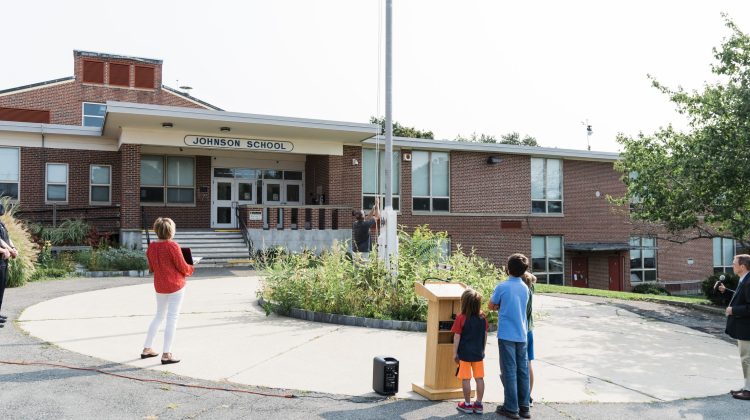
The allocation also goes toward payment of Brendyl Christison, the Johnson School psychologist, who is a contracted worker. Laurie Casna, the school’s director of special education, was also compensated via these funds.
Cafeteria-related charges were authorized to be paid to Nahant’s Seaside Pizza and Rosev Dairy Foods of Chelsea.
Funds were approved for school supplies and charges to Amazon Capital Services.
Liebow said he was previously asked about bidding in regard to school supply charges. He said these charges are smaller dollar amounts, which are below the threshold for bidding requirements.
Additional funds were approved for a funding obligation in Liebow’s contract. Each year, he receives $100 for cell-phone charges. Liebow uses his personal cell phone to conduct the business of the school rather than having two devices.