
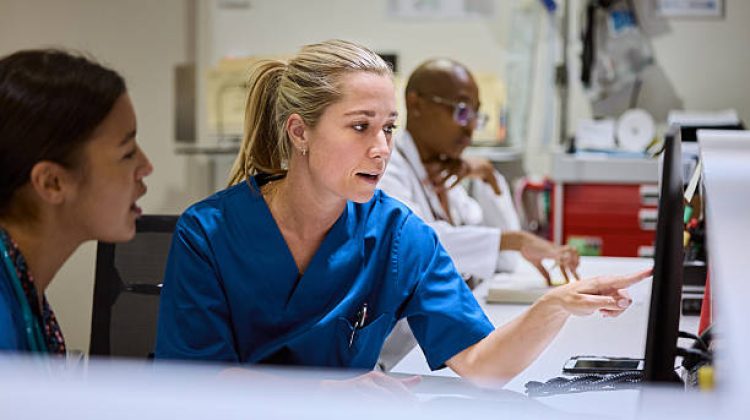
Massachusetts has built a national reputation for world-class hospitals, advanced research centers and highly respected healthcare systems, but many facilities across the state are struggling with a serious staffing crisis. If you walk into a busy hospital today, you can often feel the pressure immediately as nurses move quickly between patients while healthcare teams try to manage growing workloads with fewer available staff members.
Nurses continue leaving bedside positions at troubling rates while patient demand keeps rising across urban hospitals, suburban clinics and long-term care facilities. Healthcare leaders are sounding the alarm about burnout, heavy patient loads and growing pressure on remaining staff members, so communities are searching for realistic, quick solutions.
Accelerated nursing education has leaned into that pressure-filled situation with a model designed to help people like you enter the workforce much faster than traditional academic pathways. A 2025 Massachusetts Nurses Association survey found that 67% of registered nurses reported not having enough time to provide patients with the care and attention they needed, underscoring why hospitals are pushing for faster workforce solutions across the state.
Career changers are leaning into nursing faster
Many accelerated nursing students already hold bachelor’s degrees in subjects like psychology, biology, education or business, so you can enter these programs with academic experience and practical skills developed through previous careers. Traditional nursing programs often require several additional years of coursework, which creates financial pressure for adults balancing careers, mortgages or family responsibilities.
An accelerated BSN in Massachusetts gives career changers a shorter path into healthcare through intensive coursework combined with hands-on clinical training that often takes between 12 and 18 months to complete. Schools such as MGH Institute of Health Professions and MCPHS have expanded enrollment opportunities in recent years as applications continue to climb across the state.
If you are considering a professional transition yourself, these programs can feel attractive because they value the education you already completed while also helping you move toward a stable healthcare career much more quickly.
Hospitals need qualified nurses immediately
Healthcare systems throughout Massachusetts are facing a timing problem that grows more serious each year as experienced nurses retire while patient demand continues increasing across nearly every specialty. If you have ever waited in a crowded emergency room or struggled to schedule medical care quickly, you have already seen how staffing shortages can affect everyday patients across the state.
Traditional four-year undergraduate programs still play an important role in nursing education, but hospitals urgently need trained professionals who can begin working much sooner. Accelerated BSN programs compress lectures, labs, simulations and clinical rotations into highly focused schedules that push students through training at an intense but efficient pace.
Many universities now offer accelerated pathways that allow students to graduate in roughly one year, which helps healthcare employers fill open positions while also giving you a faster route into one of the country’s most reliable professions.
Clinical partnerships are creating stronger training
Massachusetts nursing schools have strengthened relationships with hospitals and healthcare organizations, which gives accelerated students direct exposure to clinical settings early in their education. If you enroll in one of these programs, you will likely begin working with patients far earlier than many traditional students, so classroom lessons quickly become connected to real healthcare situations.
Many programs place students into hospitals during their first semesters, which helps future nurses develop confidence while learning how patient care operates under pressure. Major institutions, including Massachusetts General Hospital and Brigham and Women’s Hospital, regularly collaborate with nursing schools to provide structured clinical opportunities for students entering accelerated tracks.
Those partnerships benefit hospitals searching for future employees, but they also help you build professional connections, practical skills and real confidence before graduation arrives.
Students want careers with stability and purpose
Economic uncertainty has pushed many adults to reconsider long-term career plans, so nursing continues attracting people searching for stronger job security and meaningful daily work. If you previously worked in industries affected by layoffs or unstable hiring trends, healthcare can feel far more dependable during uncertain economic periods.
Technology, retail, marketing and corporate sectors have all experienced instability during recent years, which has encouraged many professionals to pursue careers connected to patient care and public health. Nursing offers that sense of stability while also giving you the opportunity to support patients during vulnerable moments that genuinely matter.
Accelerated programs appeal to career changers who want efficient training without spending several additional years inside traditional academic systems, so many students accept the demanding workload in exchange for quicker entry into a respected profession with long-term growth opportunities.
Accelerated programs match the urgency of the crisis
Massachusetts still faces serious staffing shortages across hospitals, rehabilitation centers, outpatient clinics and elder care facilities, so healthcare leaders understand that gradual solutions will not solve the crisis quickly enough. If you look closely at how schools and hospitals are responding, you can see why accelerated BSN programs continue gaining attention across the state.
Universities are expanding enrollment, adding simulation technology, increasing clinical partnerships and refining coursework so students can transition into professional nursing roles with greater confidence. Several accelerated programs across Massachusetts also report strong NCLEX pass rates, which strengthens trust in the quality of these compressed academic models despite their demanding pace.
Ultimately, if current trends continue, accelerated nursing education will likely remain one of the state’s fastest tools for strengthening the workforce while also giving motivated people like you a practical path into one of America’s most essential professions.