SWAMPSCOTT — Unalienable rights. Magnanimity. Usurpations. Transient causes.
These are among the tongue-twisting words that have challenged readers of the Declaration of Independence for 250 years. On Wednesday evening, they challenged nine young Swampscott residents as they stood before a crowd on Town Hall Lawn to read the nation’s founding document aloud.
The community reading was one of dozens held simultaneously across Massachusetts as part of the state’s MA250 commemoration, which encouraged cities and towns to gather at about 6 p.m. on July 8 for a shared public reading of the Declaration of Independence in recognition of the nation’s semiquincentennial.
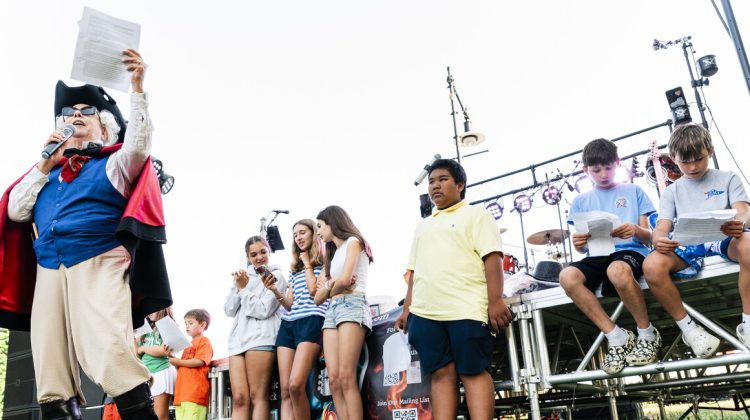
Historical Commission Chair Nancy Schultz, who presided over the event in Revolutionary-era garb and introduced herself as George Washington, said there is something meaningful about communities across the Commonwealth taking time to remember those founding words together.
“I think it’s important to reaffirm our commitment to democracy,” Schultz said. “Like the Frederick Douglass reading we just had in town last week, both of them underscore our history and the specialness of this country and this American experiment.”
The Swampscott event also connected to another Revolutionary-era tradition on the North Shore. In July 1776, General John Glover publicly proclaimed the Declaration in Beverly from a printed Salem broadside. Schultz said that State Rep. Jenny Armini will soon present the Swampscott Historical Commission with a replica of that same E. Russell of Salem printing — the type of copy that helped General Glover spread the Declaration’s words across the North Shore after its adoption.
The framers’ message was kept alive this year not by soldiers and minutemen, but by Swampscott students Connor Maloney, Errol Burke, Teddy Howard, Kiki Andrinopoulos, Nora Lentz, Irina Andrinopoulos, Jack Taradash, Maxi Taradash, and Mikey Taradash, who each read a section of the Declaration before the audience.
One young reader admitted the centuries-old language made the assignment more difficult.
“It was hard,” said 7-year-old Jack Taradash. “Some of the words were really big.”
Despite the daunting words and 18th-century vernacular, the children navigated America’s most influential document with bravado, before Schultz invited everyone to read the Declaration’s closing paragraph together.
Afterward, several of the young readers reflected on what they thought was important about the document.
“It’s the day America became like a separate colony from Britain,” 10-year-old Errol Burke said. “And then that we were free of the king.”
9-year-old Mikey Taradash participated in the town’s Reading Frederick Douglass Together event on July 2, and said that experience helped prepare him for the Declaration, even if some of the words were difficult to pronounce. For Mikey, the Declaration’s central message is simple.
“It gives you the right to be free,” he said.
MaryEllen Fletcher, the Select Board liaison to the Historical Commission, organized the shared reading and said involving children was intentional.
“Being at Frederick Douglass last week, seeing the kids reading there, it just made sense,” Fletcher said. “And they’re great kids. They did a great job.”
The reading concluded just before the town’s first weekly Swampscott by the Sea concert, but not before the crowd applauded the young readers for tackling one of the most influential — and linguistically challenging — documents in American history.
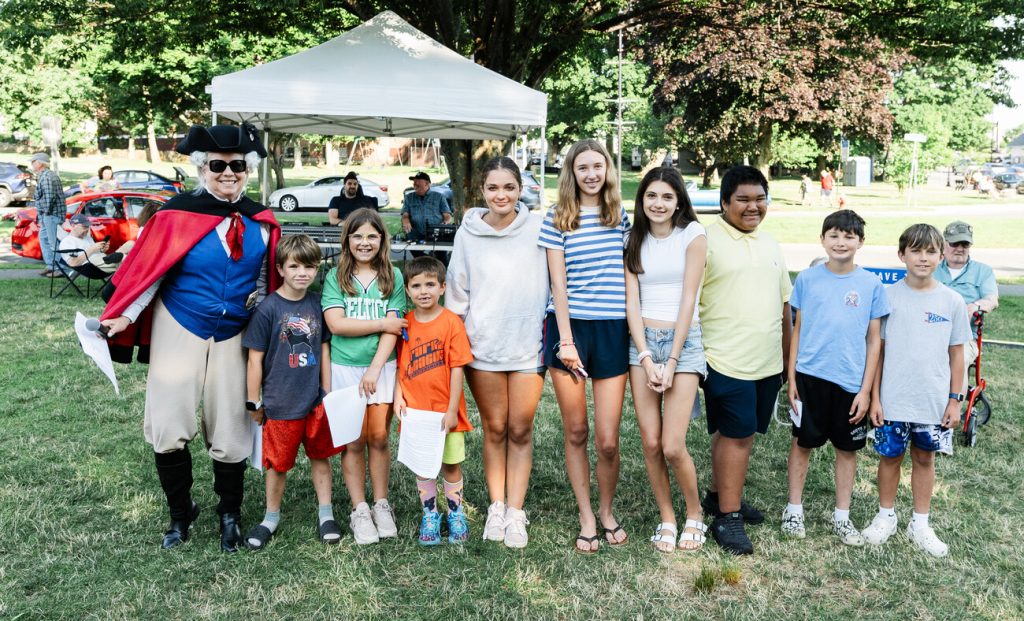
Photo: Spenser Hasak | Purchase this photo
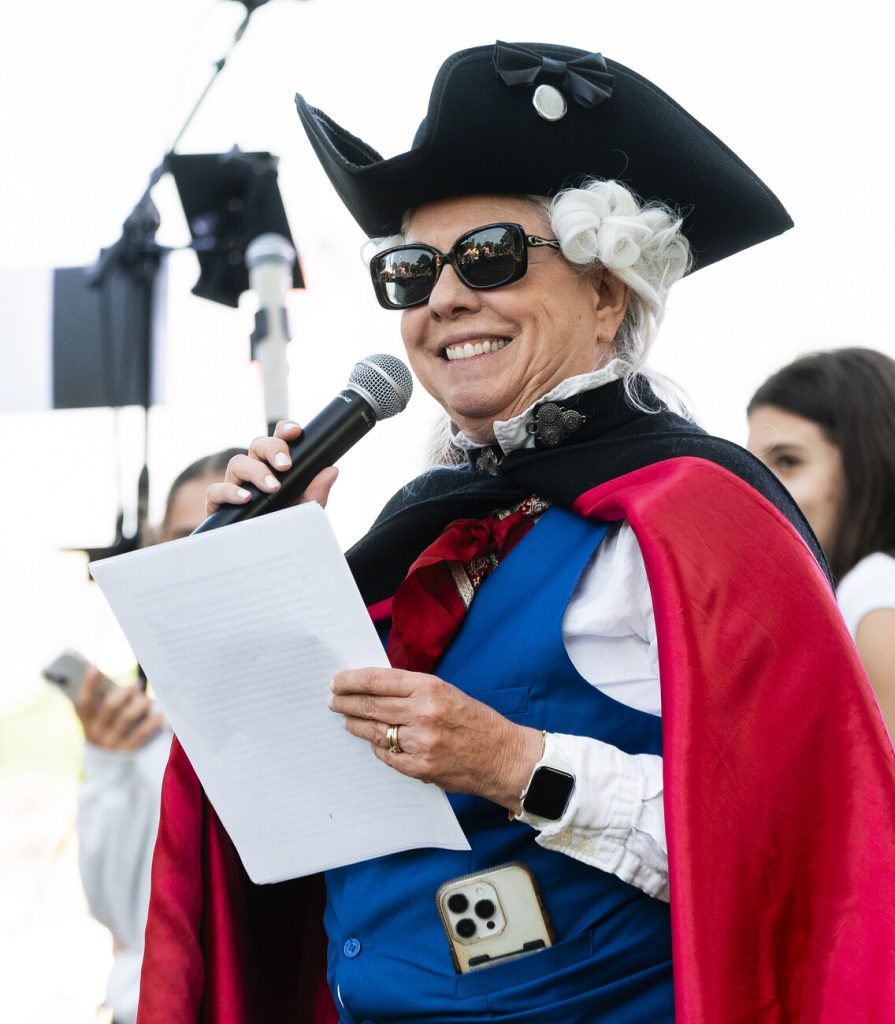
Photo: Spenser Hasak | Purchase this photo
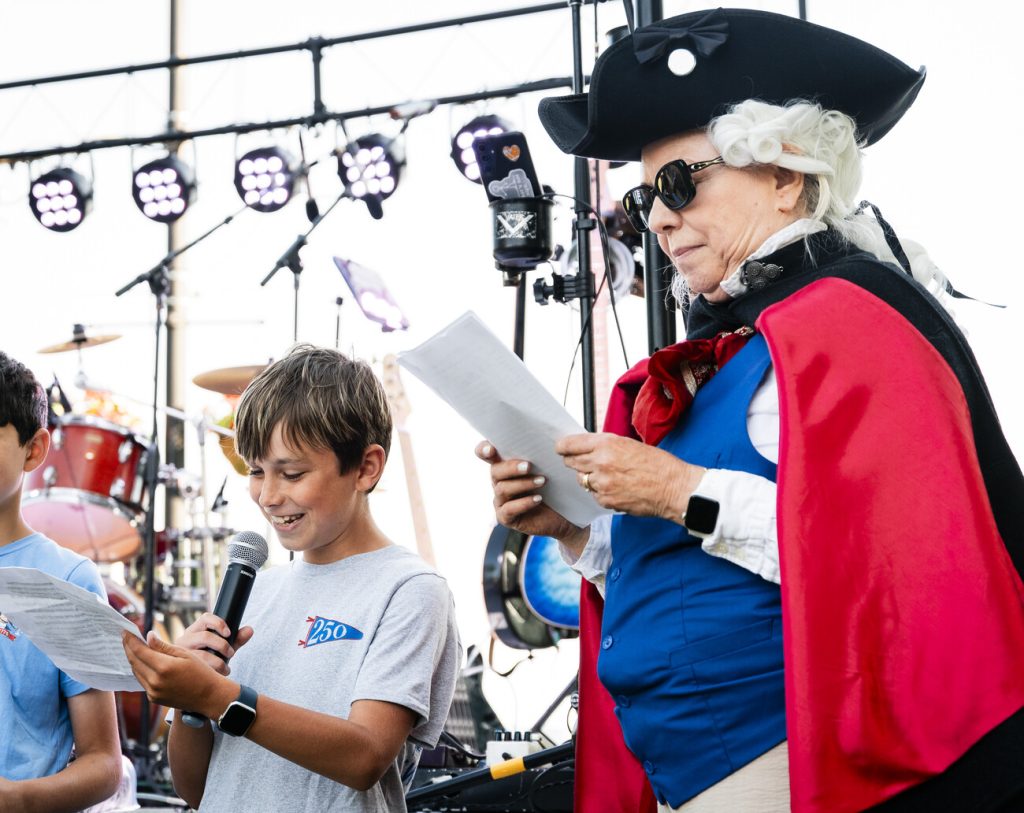
Photo: Spenser Hasak | Purchase this photo
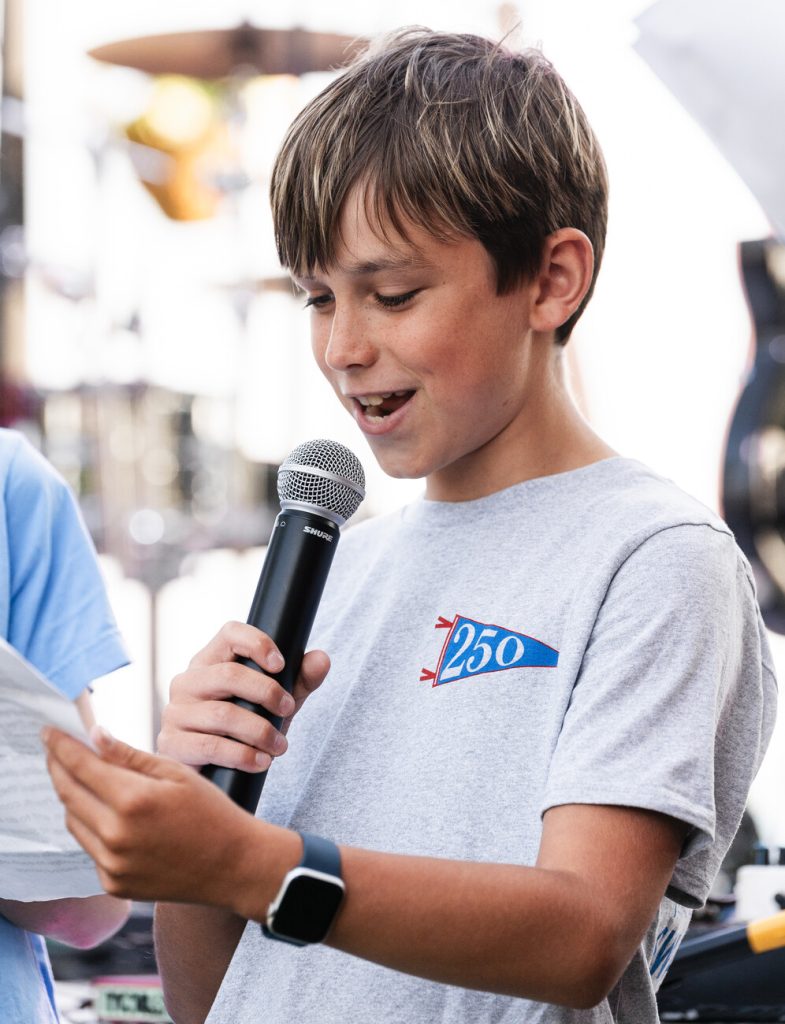
Photo: Spenser Hasak | Purchase this photo
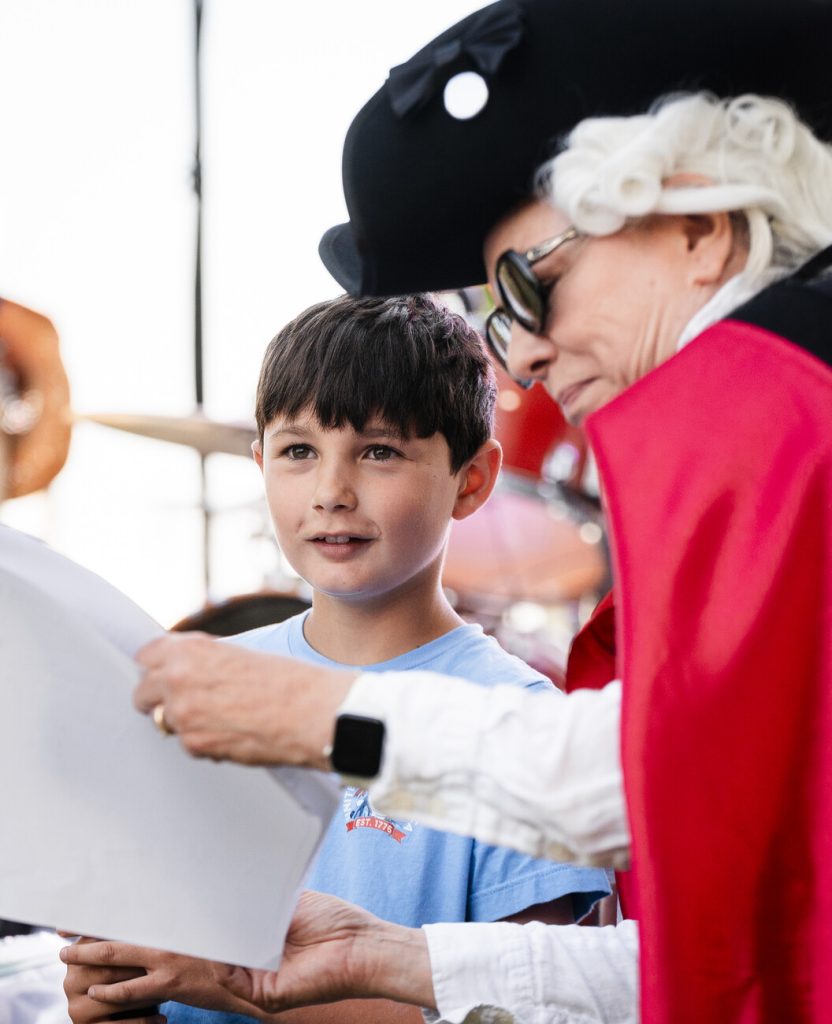
Photo: Spenser Hasak | Purchase this photo
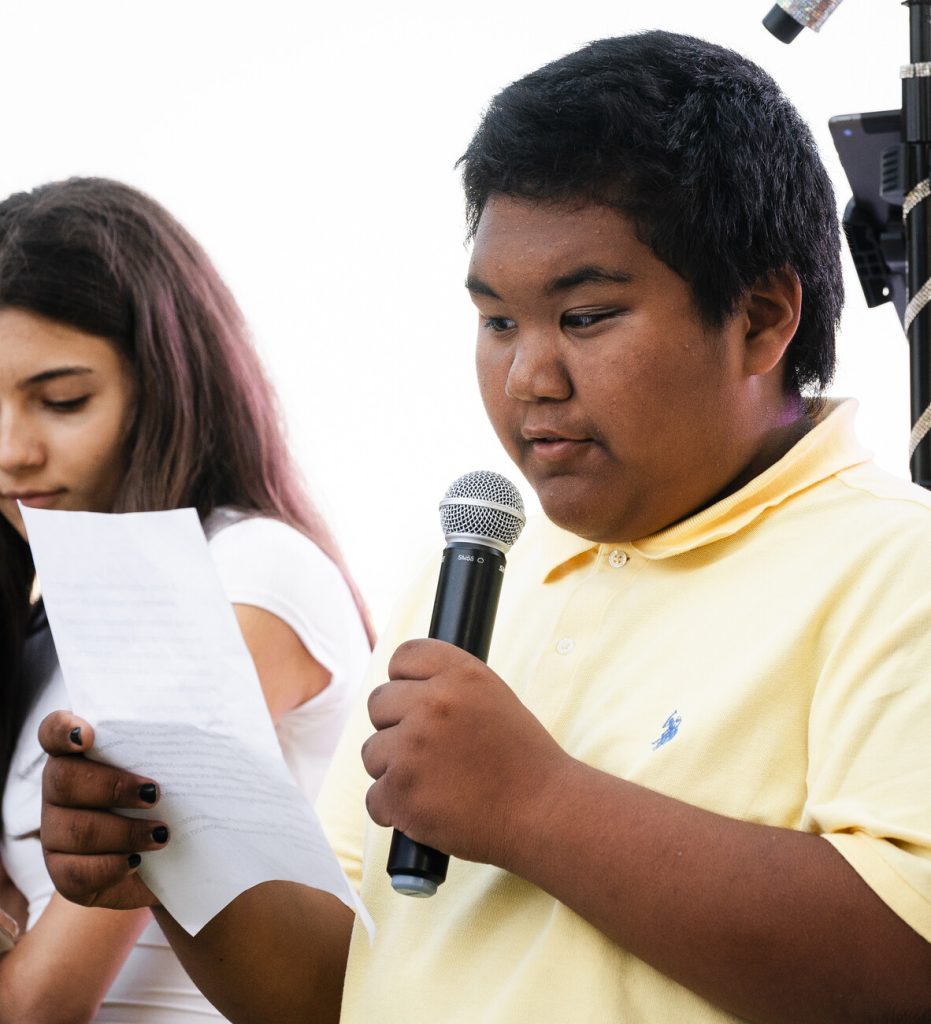
Photo: Spenser Hasak | Purchase this photo
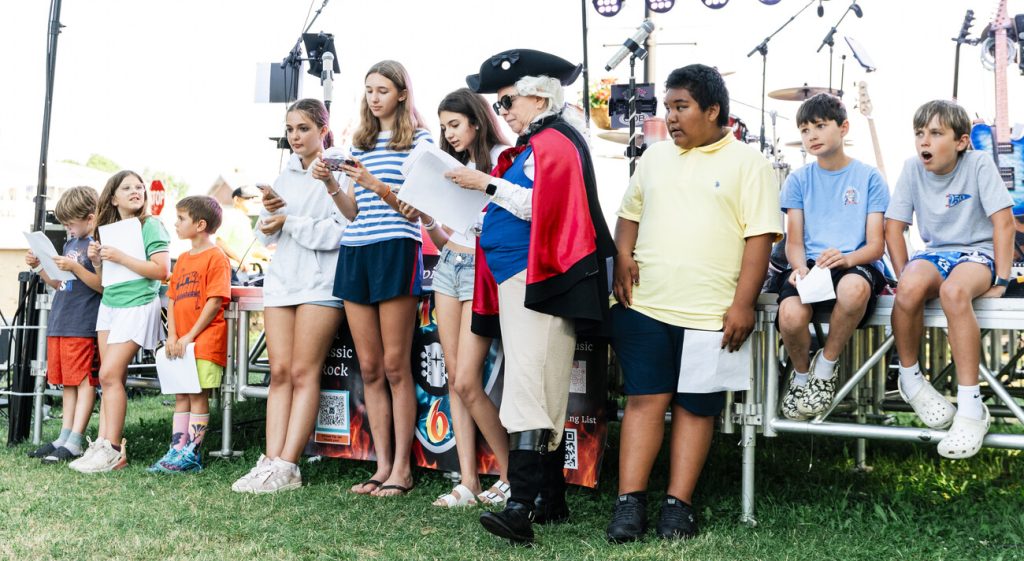
Photo: Spenser Hasak | Purchase this photo
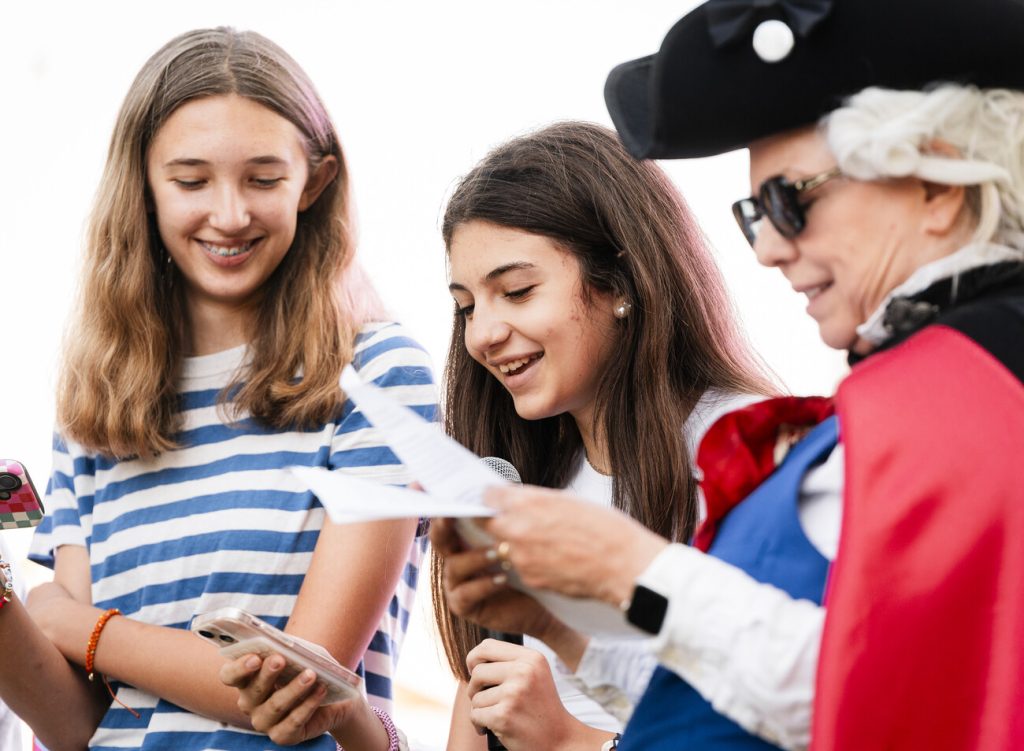
Photo: Spenser Hasak | Purchase this photo
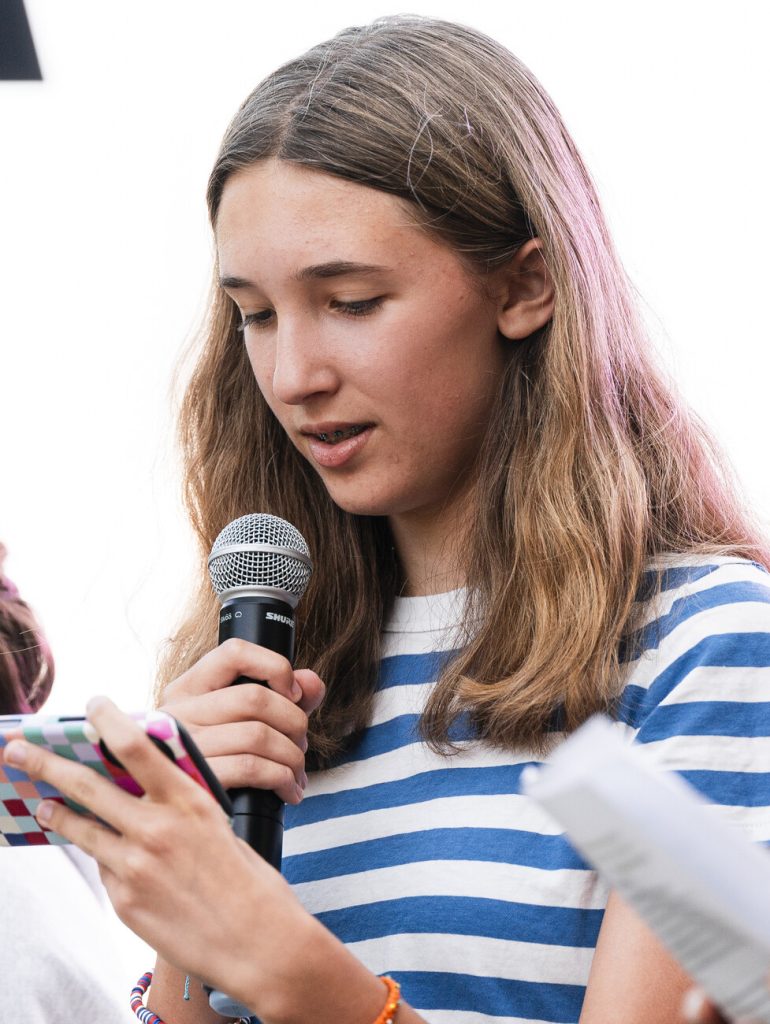
Photo: Spenser Hasak | Purchase this photo

Photo: Spenser Hasak | Purchase this photo
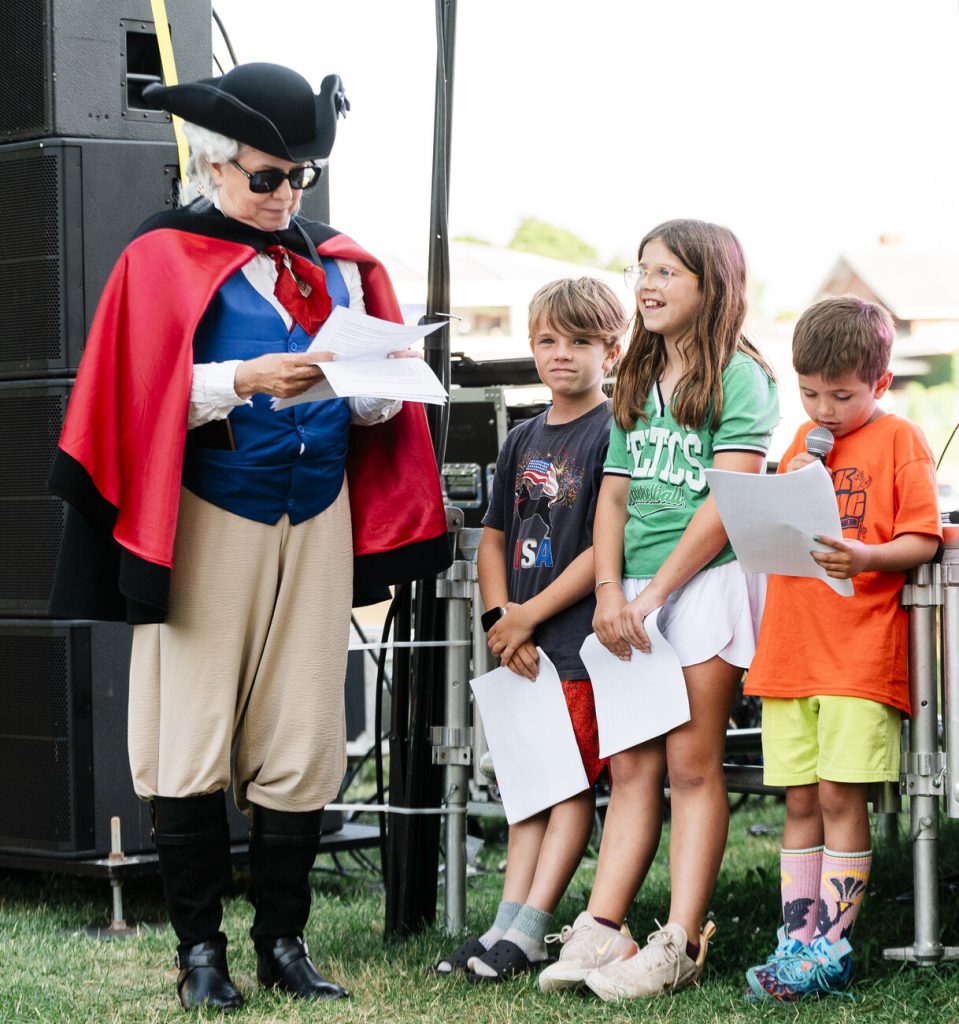
Photo: Spenser Hasak | Purchase this photo
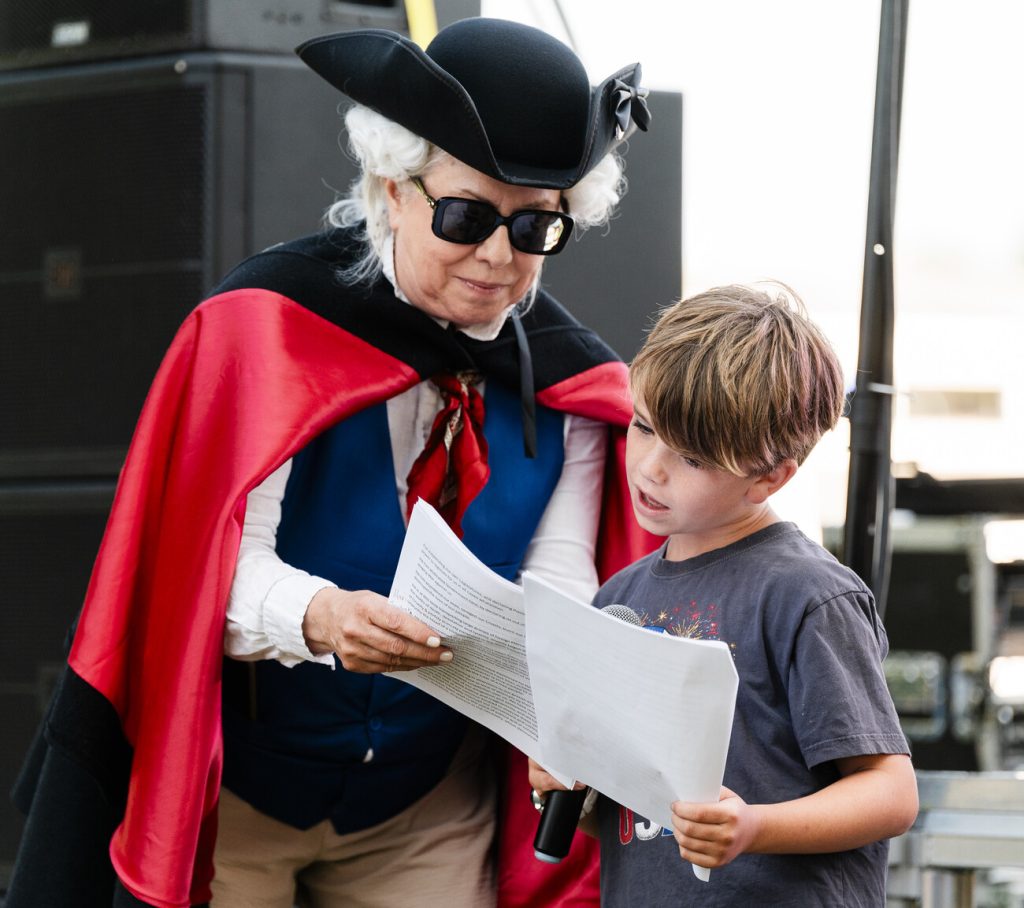
Photo: Spenser Hasak | Purchase this photo