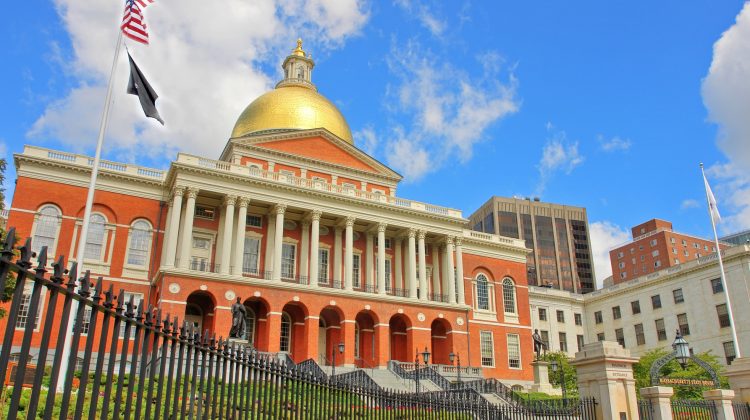
Massachusetts voters will decide nine statewide ballot questions in the Nov. 3 election after the Secretary of the Commonwealth’s Elections Division announced Tuesday the order in which the measures will appear on the ballot.
The ballot question numbers were assigned after all statewide initiatives and referendums were certified. According to the Secretary of the Commonwealth’s Office, the order was based primarily on the length of each question’s summary to make the most efficient use of ballot space.
The statewide ballot will feature the most questions Massachusetts voters have seen since 1994. Because of that, election officials expect ballots in most communities to be two to three pages long. The final length will depend on the number of candidates, local ballot questions, and whether ballots must be printed in multiple languages.
A plain-language summary of each question, based on information released by the Secretary of the Commonwealth’s Office and Ballotpedia, is below.
Question 1: Expanding the Public Records Law
This proposal would expand the state’s public records law to cover the governor’s office and the Massachusetts Legislature, which are currently exempt from many of the law’s requirements. If approved, members of the public would gain broader access to records held by those offices, although some documents would remain exempt under existing public records protections.
Question 2: Collective Bargaining for CPCS Employees
The measure would give employees of the Committee for Public Counsel Services, the state agency that oversees legal representation for people who cannot afford an attorney, the right to collectively bargain. That would allow eligible employees, including public defenders and support staff, to negotiate wages, benefits and working conditions through a union.
Question 3: State Primary Elections
Rather than holding separate Democratic and Republican primaries, this proposal would create a single statewide primary ballot listing every candidate regardless of party affiliation. The two candidates receiving the most votes would advance to the general election, even if they belong to the same political party.
Question 4: Election Day Registration
Massachusetts currently requires voters to register before Election Day. This proposal would allow eligible residents to register and cast a ballot on the same day, eliminating the current registration deadline for those choosing to vote in person.
Question 5: State Revenue Limit & Rebate
The initiative would place a cap on the amount of tax revenue the state could keep each year. If state collections exceeded that limit, the excess money would be returned to taxpayers through rebates rather than remaining in state government accounts.
Question 6: Natural Resource Conservation Fund
The measure would establish the Nature for All Fund, a dedicated account for conservation projects. It would direct revenue from existing sales taxes on certain outdoor recreation-related purchases, including sporting goods and recreational vehicles, toward protecting natural resources, expanding outdoor recreation opportunities and supporting environmental projects.
Question 7: Single Family Homes
This proposal is aimed at increasing housing opportunities by requiring cities and towns to allow single-family homes on residential lots that are at least 5,000 square feet and meet other applicable local requirements. Supporters say it would make it easier to build homes in communities with restrictive zoning rules.
Question 8: Prohibit Retail Sale of Adult Recreational Use Marijuana
If approved, this measure would end the licensed retail sale of recreational marijuana in Massachusetts by repealing portions of the 2016 voter-approved legalization law. The proposal would continue to allow adults to possess limited amounts of marijuana for personal use.
Question 9: Firearms Regulation
The final question is a referendum on the state’s 2024 firearms law, An Act Modernizing Firearm Laws. Voters will decide whether to keep the law in effect or repeal it through the ballot.
First Deputy Secretary Michelle Tassinari, director of the Elections Division, assigned the ballot question numbers.
The Secretary of the Commonwealth’s Office plans to publish its official voter information guide in September. The guide will include the full text of each question, summaries, arguments for and against the measures, and other election information ahead of the Nov. 3 election.