For a little more than a month, the world came to America.
Not just the likes of Kylian Mbappé, Neymar and Erling Haaland, but fans from every corner of the globe.
They brought the songs, the chants, the flags draped over their shoulders and an unmatched passion.
And despite everything that surrounded this tournament, that’s what I’ll remember most.
Leading up to the World Cup, there was skepticism about whether the United States should even host it. Between mass deportations, ICE and travel restrictions, politics dominated the conversation. Every few days, it felt like there was another story wondering whether the tournament would become more about America than the competition.
Thankfully, once the ball started rolling, soccer took center stage — for the most part.
One of my favorite memories happened right in Boston. For a week, Scotland basically adopted the city.
Everywhere you looked, there were people in kilts, bagpipes echoing through the streets and Bostonians who probably couldn’t point to Scotland on a map joining in on “Scotland’s on Fire.”
On top of that, one local bar basically ran out of beer because of all the drinking the Scots were doing.
That’s what a World Cup is supposed to do.
It’s supposed to introduce people to new cultures. It’s supposed to bring strangers together over a sport that doesn’t require a common language.
That mission was accomplished.
There were thousands of Americans who attended their first World Cup match because the world came to their backyard. Kids who fell in love with the sport. Adults who finally understood why billions around the world care so deeply about it.
That’s a win that lasts far longer than one tournament.
While soccer won, politics certainly didn’t.
The treatment of Iran’s national team was a stain on this World Cup.
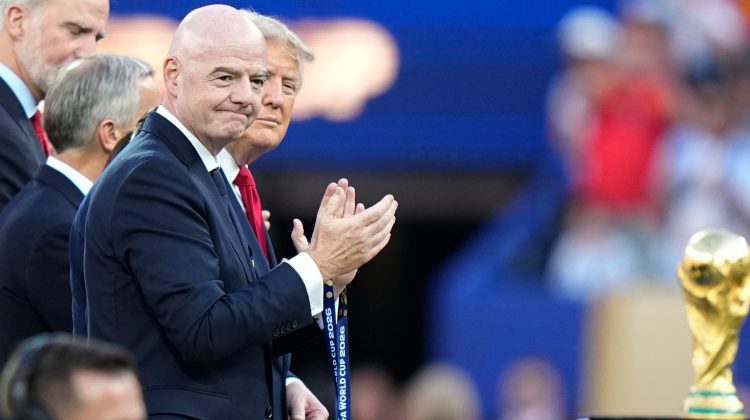
Before the tournament, FIFA president Gianni Infantino insisted politics wouldn’t interfere with the competition… That promise didn’t hold.
Iran couldn’t stay in the United States, so instead the team was forced to fly in and out on the same day as their match. This denied players the opportunity to properly recover between games.
Competitive advantages are supposed to be earned on the field, not created by logistics.
Then there was the Somali referee Omar Artan.
The 34-year-old official who had earned the opportunity to work the biggest tournament in the world was denied entry into the country and sent home.
Imagine spending your entire career working towards reaching the ultimate competition only to watch it be snatched from you through circumstances completely outside your control.
Even FIFA couldn’t stay out of the spotlight.
After Folarin Balogun’s controversial red card in the knockouts against Bosnia-Herzegovina, Infantino insisted he had no involvement in delaying the suspension. Then President Donald Trump publicly said his administration contacted Infantino about the situation.
Still, when I think back on this World Cup, I won’t remember the politics first. I’ll remember the fans.
Soccer succeeded.
The politics didn’t.
If the goal was to grow the world’s game in the United States, FIFA accomplished that.
If the goal was to keep politics out of the tournament, it failed.