
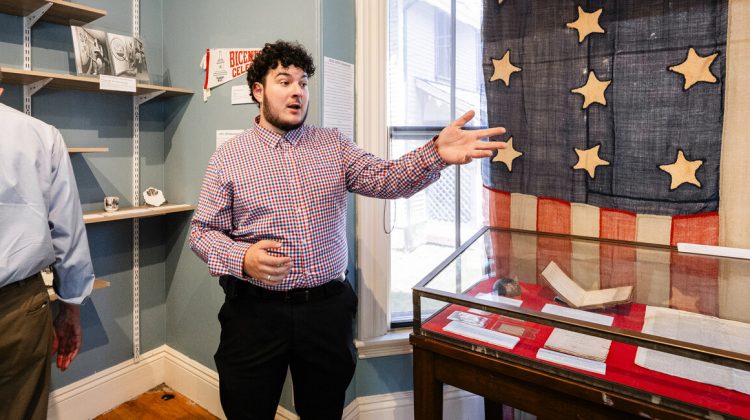
PEABODY — Visitors to the Peabody Historical Society’s newest exhibit, located at 33 Washington St., can peer through magnifying glasses at colonial currency, sign their names on a replica Declaration of Independence with a quill and ink, and stand inches away from Revolutionary War artifacts that connect the city’s past to the nation’s 250th anniversary.
The Historical Society officially opened its new 250th anniversary exhibit on Thursday, commemorating the nation’s semiquincentennial through the lens of Peabody’s own history.
While the exhibit is expected to remain on display through next June, the Historical Society must hire a curator before it can regularly open the exhibit. It hopes to have the necessary staff onboard by August or September.
For 19-year-old Essex Tech graduate Tyler Agneta, the exhibit became much more than a summer internship.
After multiple staff departures left the project in limbo, Agneta was handed the keys and spent months bringing the exhibit to life, designing displays, selecting artifacts, and adding bilingual English and Spanish exhibit materials.
“Everything that you see was done by me,” Agneta said, describing weeks spent carefully installing exhibits throughout the historic house. “I’m really proud of it. It’s my passion. It’s my project.”
The exhibit balances nationally significant artifacts with stories rooted in South Danvers, now Peabody, reminding visitors that the American Revolution unfolded close to home.
Among the featured pieces are half of a cannonball fired during the Battle of Menotomy on April 19, 1775, nearly 250-year-old British Army hardtack recovered from the battlefield, military appointments bearing the signatures of John Hancock and Samuel Adams, Gideon Foster chocolate molds, colonial currency, and commemorative items from the nation’s 1976 bicentennial.
The exhibit also explores often-overlooked perspectives from the Revolutionary era, including the roles of women and enslaved people.
Agneta said enslaved people were essential to producing goods, like chocolate, that became staples of soldiers’ rations, yet many of them remain anonymous because their stories were never documented.
In contrast, embroidered samplers preserve the names and stories of some women from the era, offering a glimpse into lives that might otherwise have faded from the historical record.
Throughout the exhibit, Agneta also sought to highlight the sacrifices made by local residents during the Revolution.
South Danvers answered the alarm on April 19, 1775, and suffered one of the heaviest losses of any community as British troops retreated from Lexington and Concord. The Lexington Monument on Washington Street honors the young men from the area who were killed that day: Samuel Cook, 33; Benjamin Daland, 25; Ebenezer Goldthwaite, 22; Henry Jacobs, 22; Perley Putnam, 21; George Southwick, 25; and Jotham Webb, 22.
“It’s important — especially for the people anywhere in the North Shore, but especially people of Peabody — to know what the history of this city looks like, how important some of the men of South Danvers were, and the ones who gave their lives at the Battle of Lexington and Concord, right here in our own backyard,” Agneta said.
For Agneta, studying the Revolution extends beyond commemorating milestone anniversaries. He said history remains relevant because it shapes the present and helps communities understand where they came from.
“History, in any regard, should be studied, should be learned, should be taught, because it is present in our everyday life,” Agneta said. “It doesn’t matter what you’re doing, where you’re going, what you’re learning. History is integral.”
He hopes the exhibit serves as both a remembrance of the nation’s 250th anniversary and a catalyst for renewed interest in preserving and sharing Peabody’s history.
“I hope that people get to enjoy it for the next 11 months,” Agneta said.
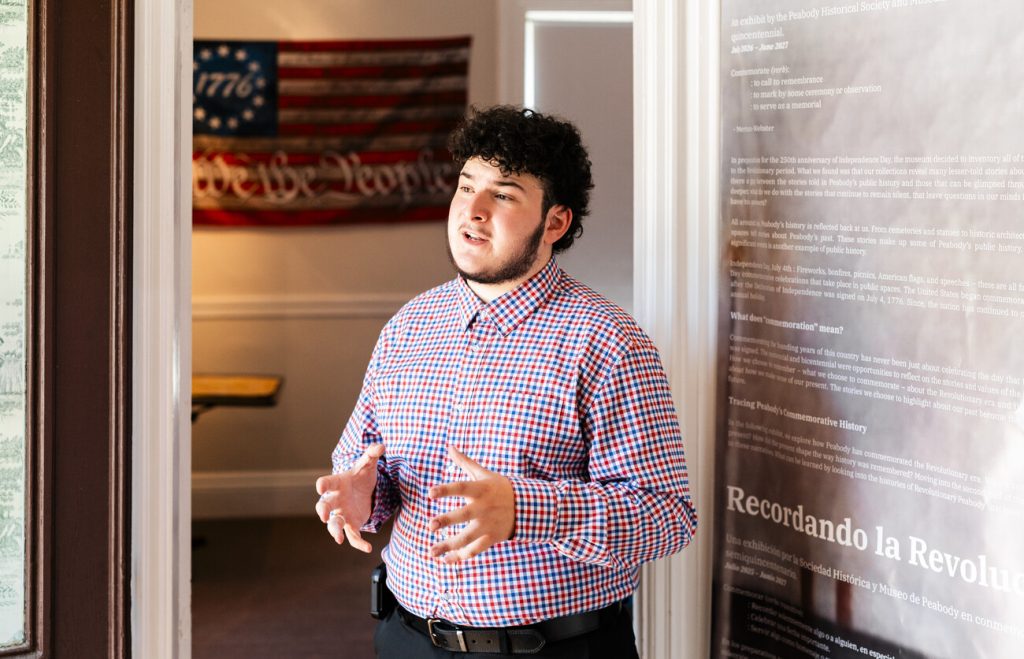
Photo: Spenser Hasak | Purchase this photo
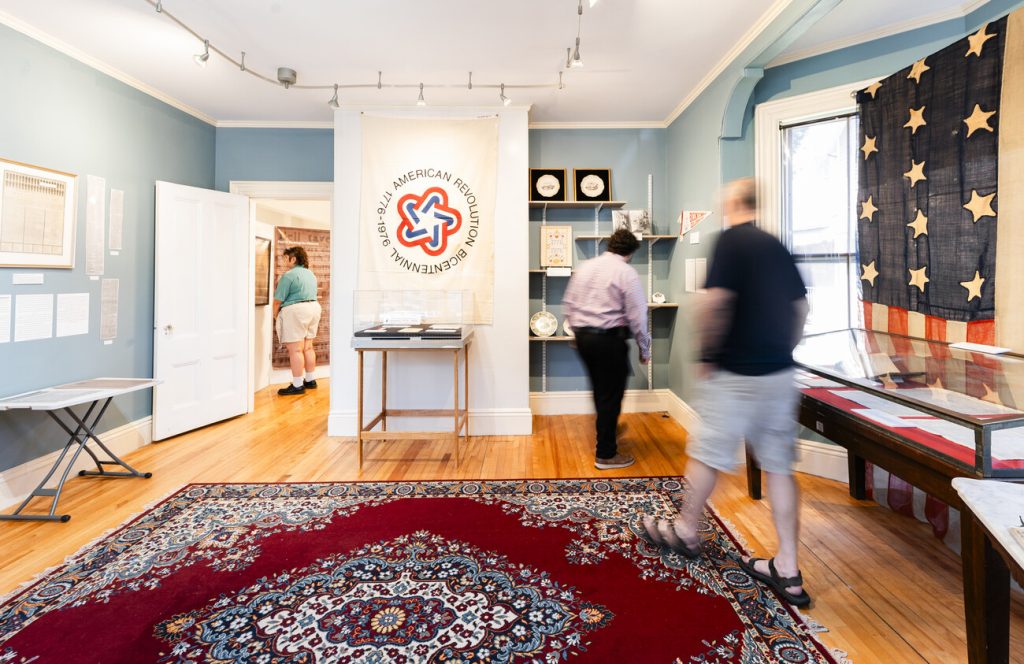
Photo: Spenser Hasak | Purchase this photo
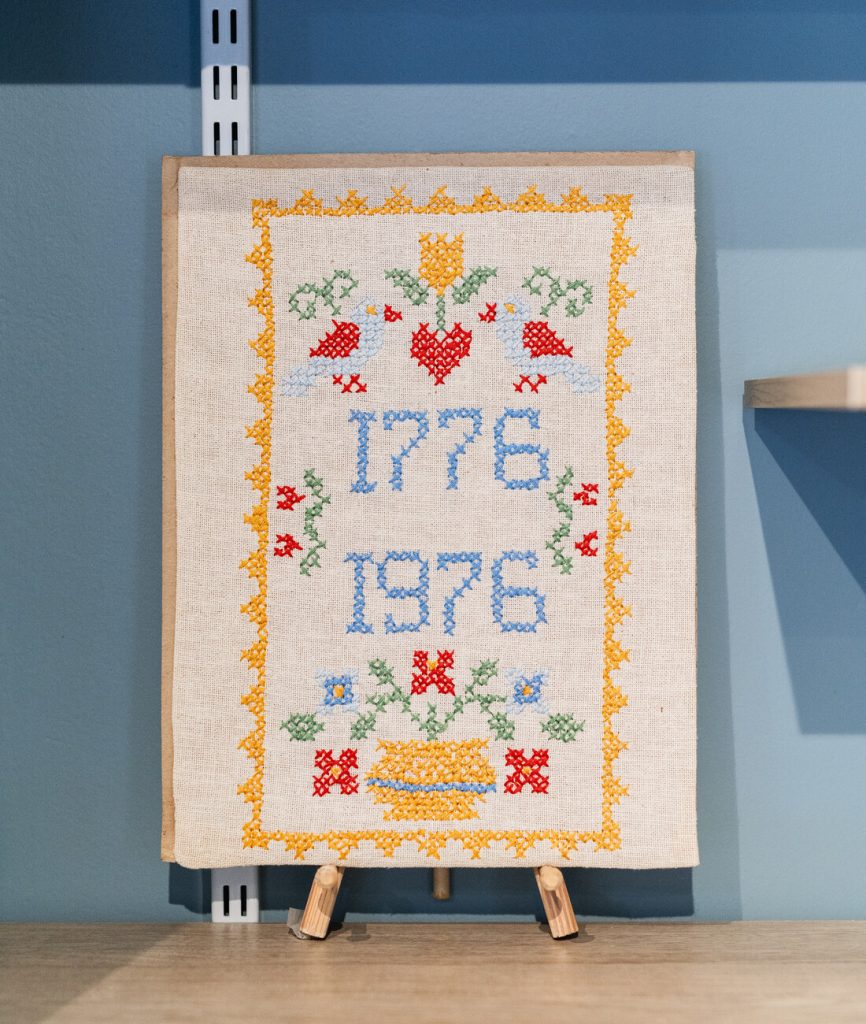
Photo: Spenser Hasak | Purchase this photo
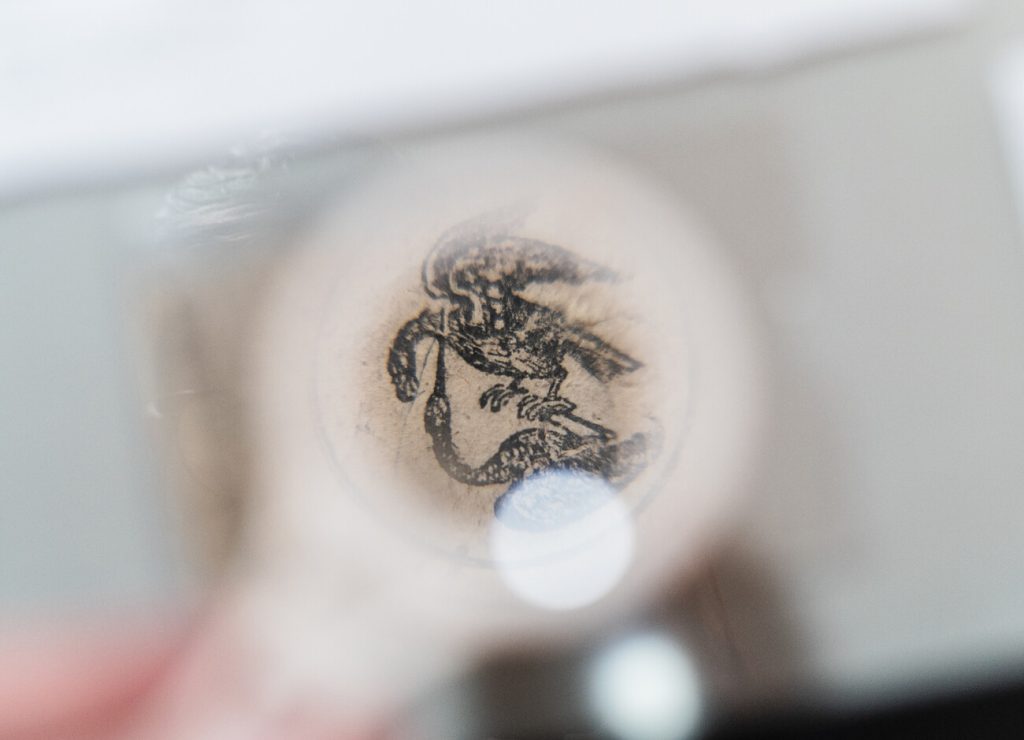
Photo: Spenser Hasak | Purchase this photo
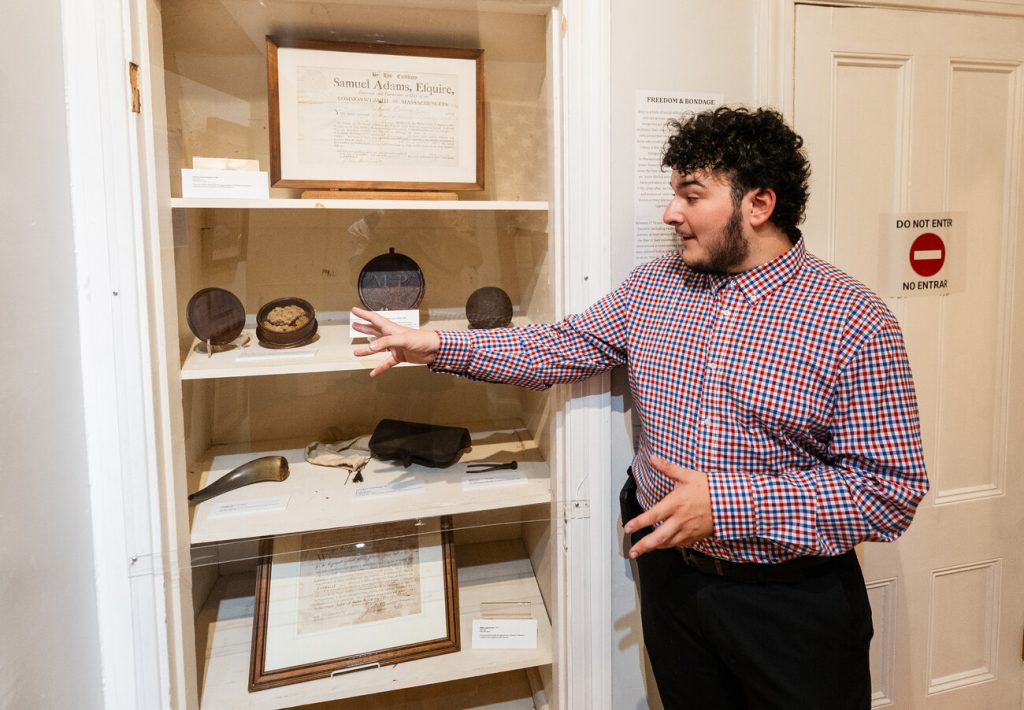
Photo: Spenser Hasak | Purchase this photo
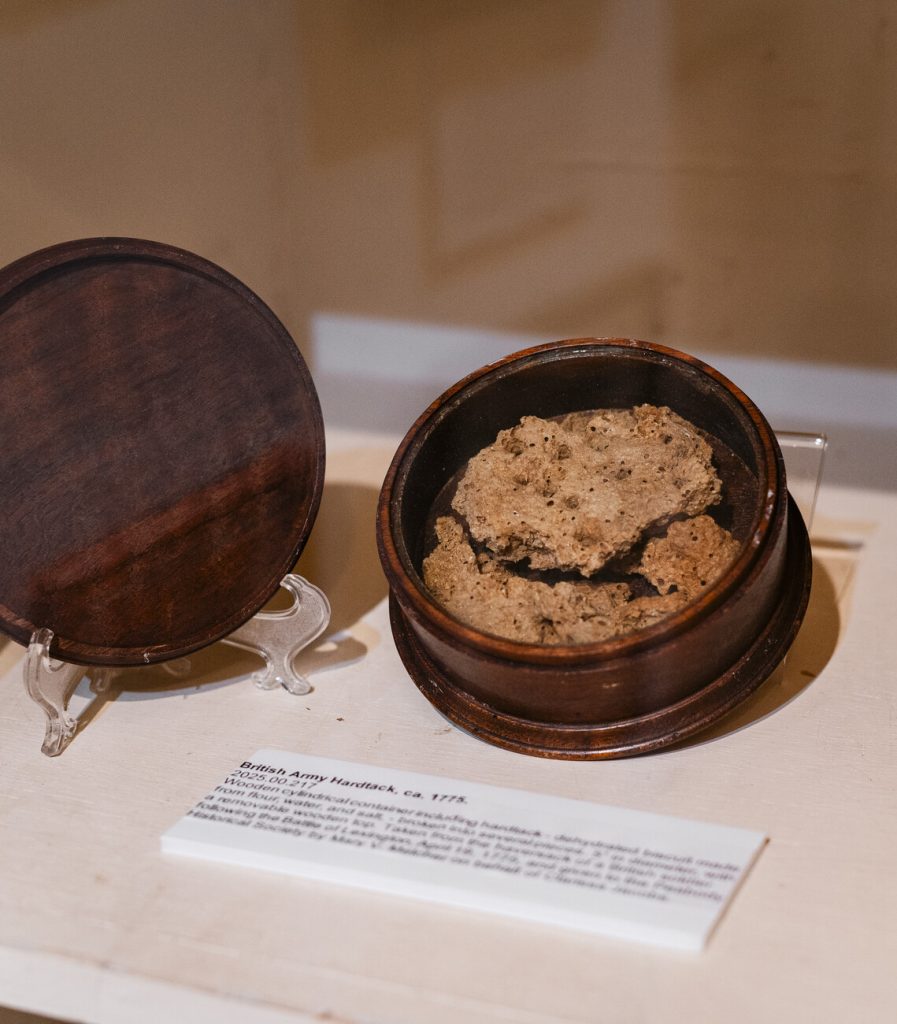
Photo: Spenser Hasak | Purchase this photo
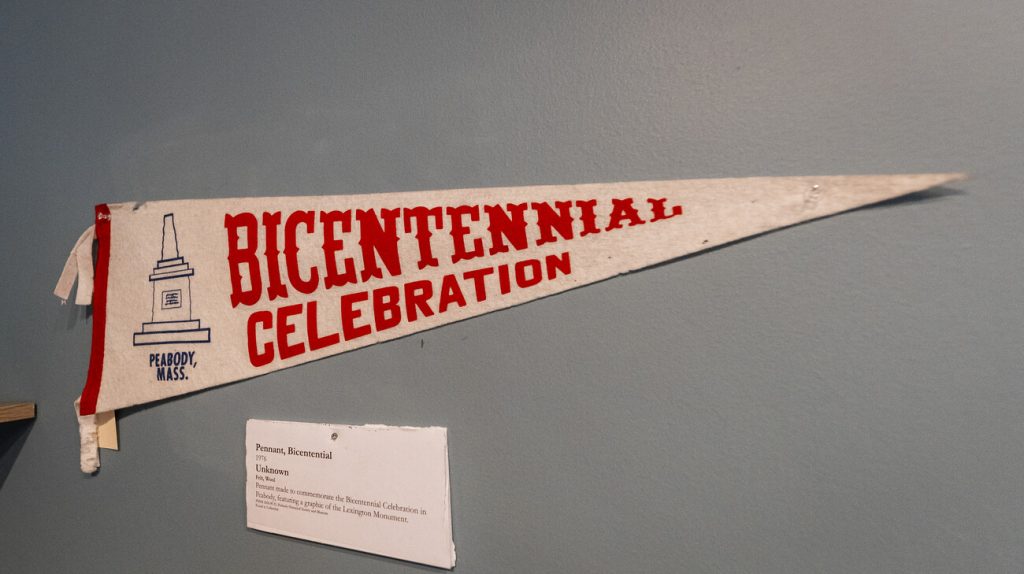
Photo: Spenser Hasak | Purchase this photo
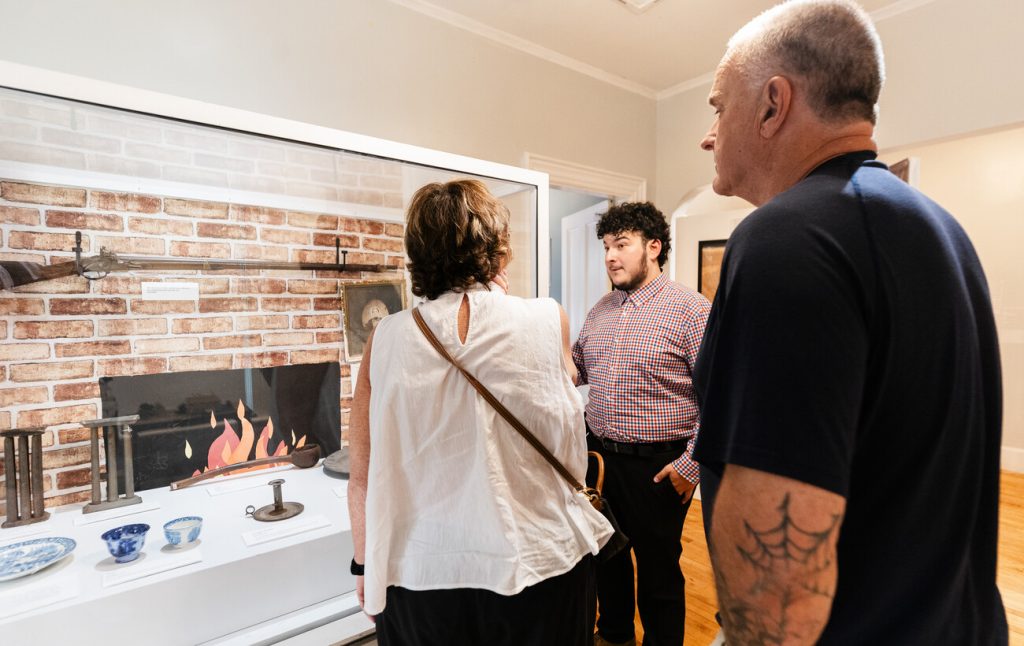
Photo: Spenser Hasak | Purchase this photo
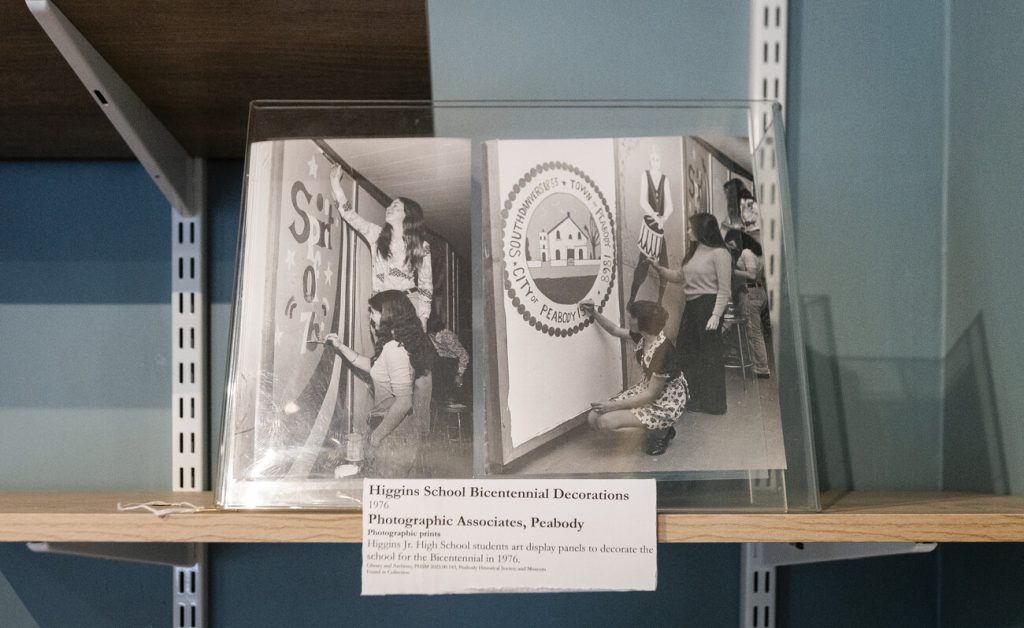
Photo: Spenser Hasak | Purchase this photo
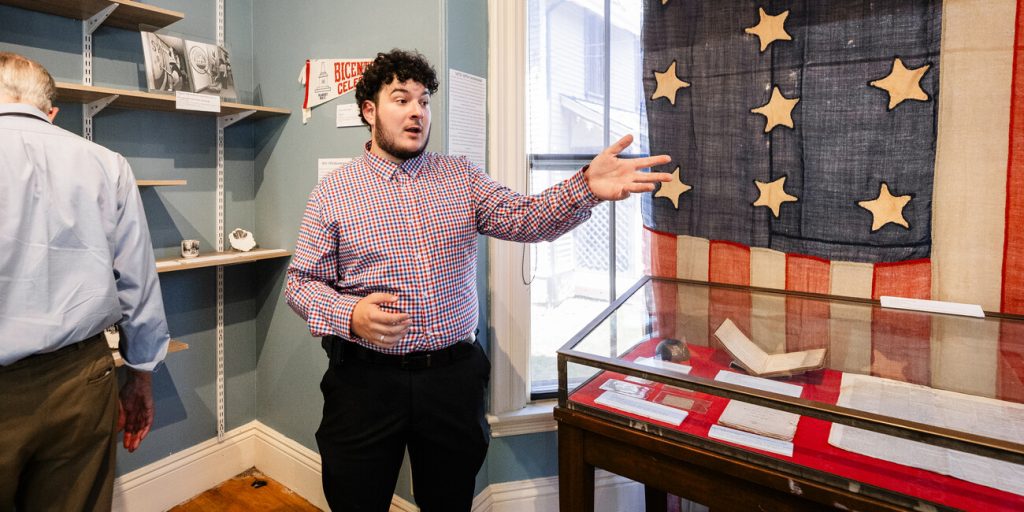
Photo: Spenser Hasak | Purchase this photo
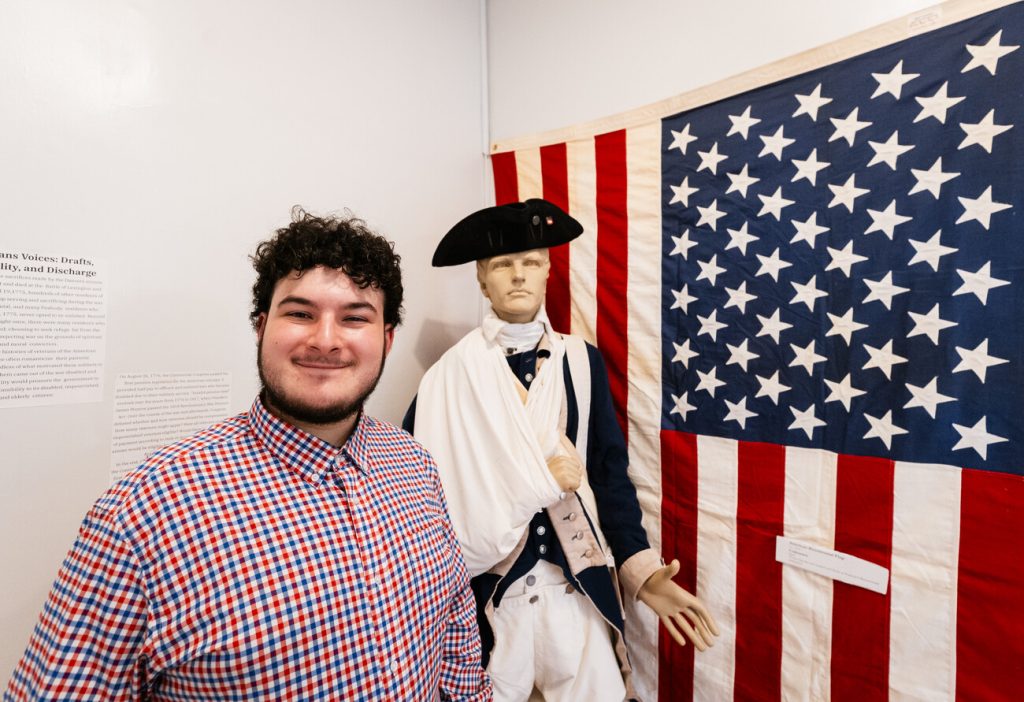
Photo: Spenser Hasak | Purchase this photo
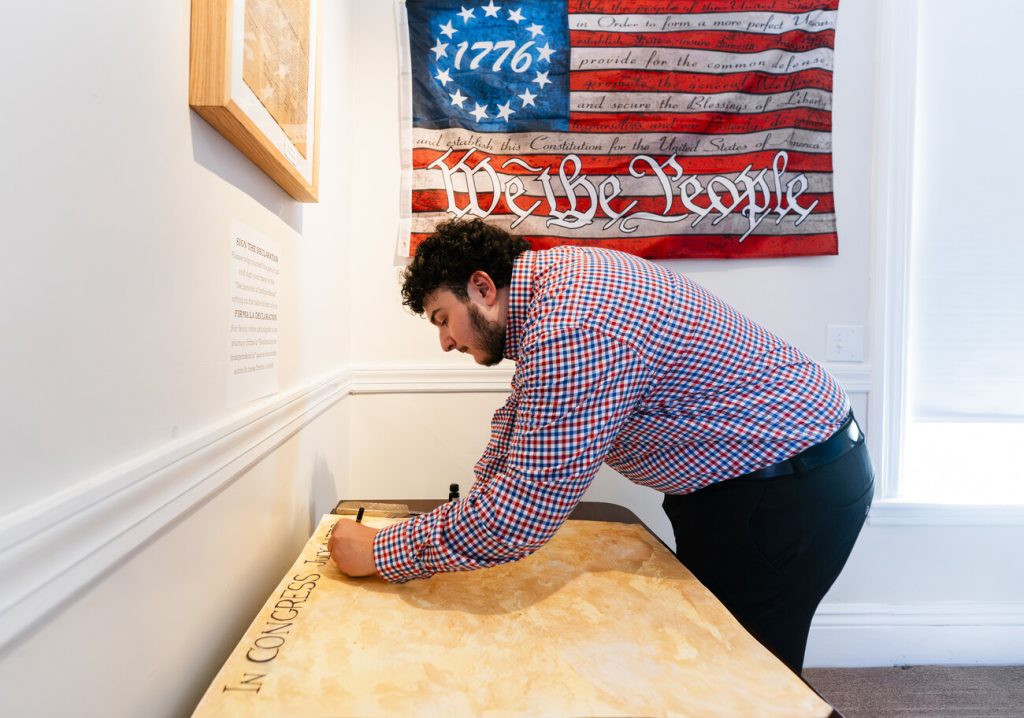
Photo: Spenser Hasak | Purchase this photo
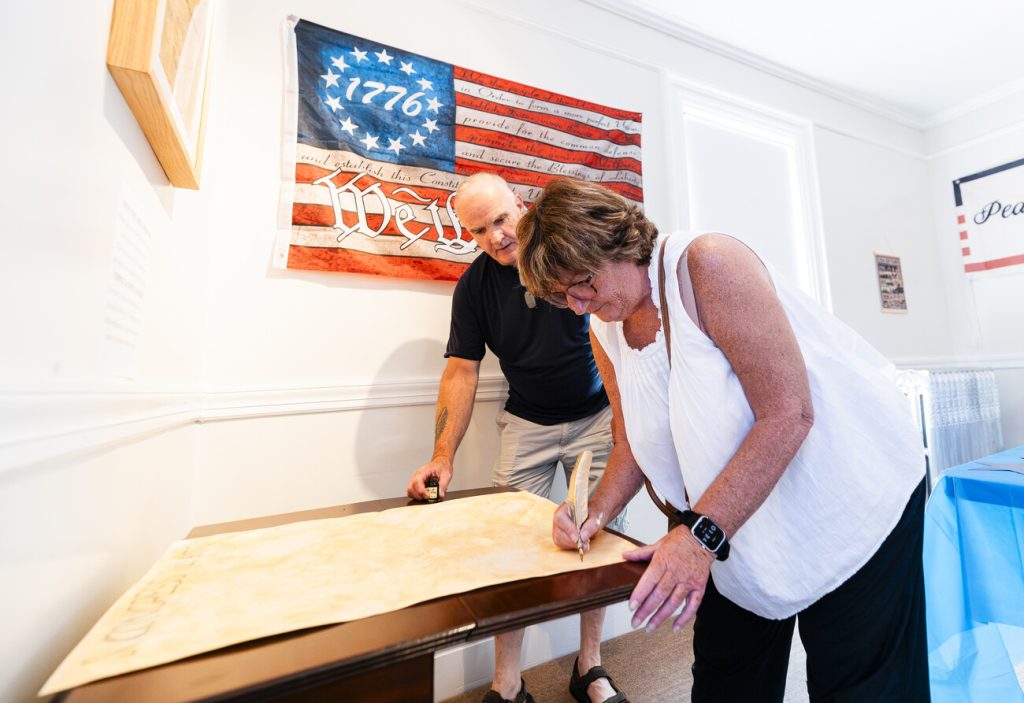
Photo: Spenser Hasak | Purchase this photo