MARBLEHEAD — The Marblehead Water and Sewer Commission has approved new water and sewer rates for Fiscal Year 2027, which took effect recently, as the town continues to fund infrastructure improvements, regional assessments and daily operations through user fees rather than property taxes.
Under the new rate schedule, the quarterly administrative charge for both water and sewer service is $47.50, or $190 annually. Water usage is billed at $7.39 per 100 cubic feet for the first 3,000 cubic feet used each quarter and $11.95 per 100 cubic feet for usage above that threshold. Sewer usage is billed at $12.50 per 100 cubic feet for the first 3,000 cubic feet and $14 per 100 cubic feet thereafter. The sewer deduct credit remains $12.50 per 100 cubic feet.
Marblehead Director of Public Works Amy McHugh said the commission conducts a comprehensive rate study each year before setting the rates.
“The rate study is a review of budgets, capital needs, assessments for treatment of water and sewer use, to set a fair, equitable rate that ensures funding is available to allow the water and sewer departments to complete their missions,” McHugh said.
Unlike many municipal services, Marblehead’s water and sewer systems are funded entirely through rate revenue. The annual review examines operating budgets, capital improvement projects and outside assessments to ensure enough revenue is available to maintain the systems, while keeping rates as equitable as possible.
According to McHugh, Marblehead’s water system includes more than 100 miles of water mains, two booster pump stations and a water storage tank. Revenue generated through water rates helps fund projects such as cleaning and lining aging cast-iron water mains, replacing older pipes, and upgrading pump stations and the water tank to improve water quality and maintain adequate water pressure for firefighting.
She said one of the largest expenses in the water budget is the assessment paid to the Massachusetts Water Resources Authority, which supplies Marblehead’s drinking water. The assessment also covers repayment of interest-free loans used to fund major improvements to the town’s water infrastructure.
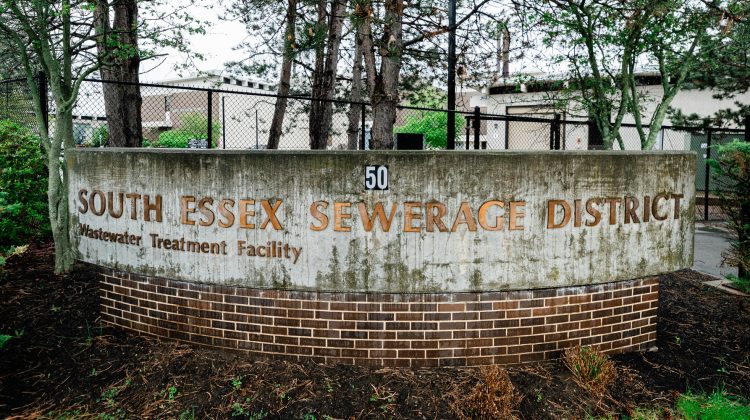
On the wastewater side, Marblehead is a member of the South Essex Sewage District, which serves four neighboring communities. McHugh said the district has developed a long-term capital improvement program known as the Centennial Plan to maintain the regional wastewater treatment facility and protect local waterways.
Marblehead’s sewer system itself consists of more than 100 miles of pipe and 28 pump stations. The town follows a five-year capital improvement plan to fund repairs and upgrades while also investing in infiltration and inflow reduction projects that prevent stormwater from entering sanitary sewer lines through cracks and other damaged infrastructure.
McHugh said reducing stormwater entering the sewer system decreases the amount of water that must be treated, helping control operating costs while improving efficiency.
The commission calculates annual rates using a three-year average of water usage to account for weather-related fluctuations, such as increased irrigation during dry summers. However, McHugh noted that successful conservation efforts have also made setting rates more challenging.
“Water conservation efforts have been successful, resulting in lower overall water demand,” she said. She added that sewer deduct meters, which measure water used for irrigation that does not enter the sewer system, reduce the amount billed for sewer service by about 20% compared with total water use. Combined with rising operating costs, those trends make it more difficult to keep rates low while maintaining reliable service.
Before establishing usage rates, the commission also reviews administrative fees that support services such as office operations, billing, Dig Safe utility markings, private construction reviews and backflow preventer testing.
McHugh said this year’s rate study focused on customers using less than 3,000 cubic feet of water and sewer service each quarter, a group that represents roughly 80% of all accounts. The remaining 20% consists primarily of higher-volume users, including many properties with irrigation systems.